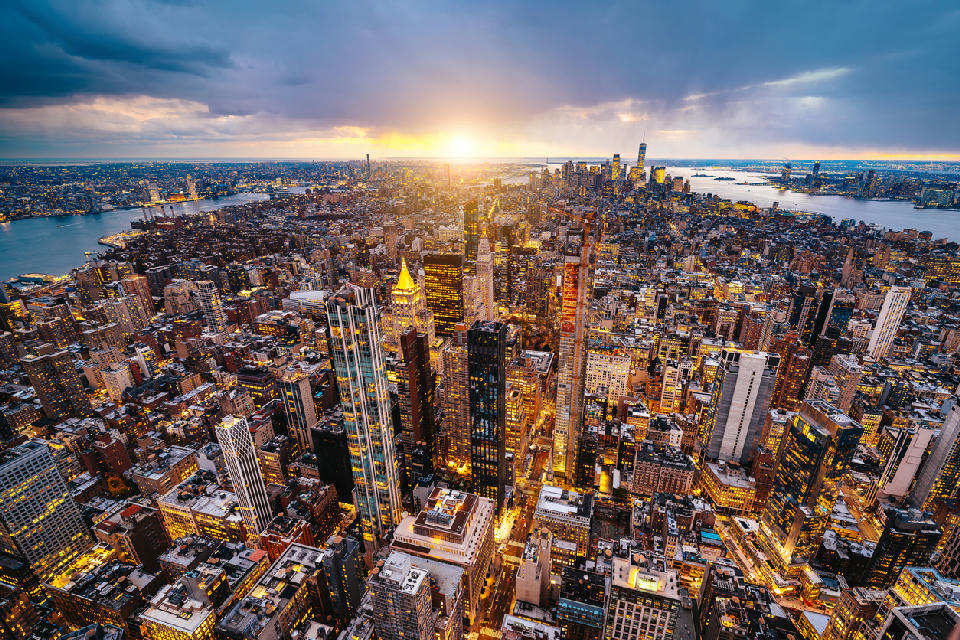
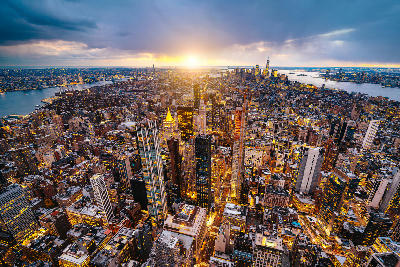
A sweeping cityscape of Midtown and Lower Manhattan seen from the observation deck of the Empire State Building, overlooking the dense grid of buildings that define Manhattan, New York City.
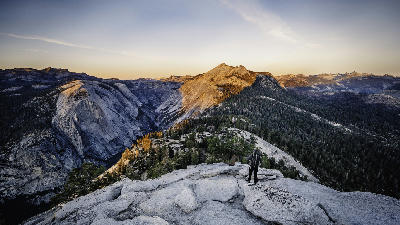
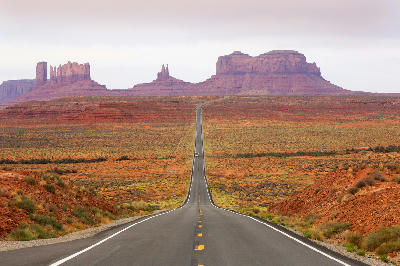
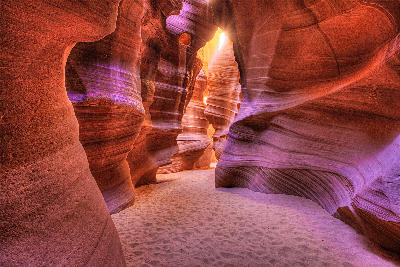
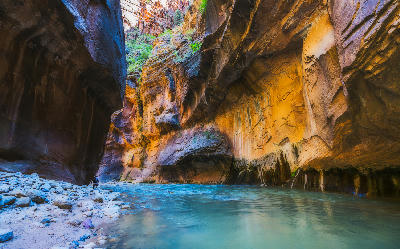
The United States spans a large portion of North America and is defined by extensive geographic scale and regional diversity. Its territory includes mountain systems, plains, deserts, forests, and long coastlines along multiple oceans, producing wide visual variation across the country. The landscape transitions across broad latitudinal and longitudinal ranges, from coastal margins to interior plains and elevated mountain regions. Settlement patterns and infrastructure reflect this scale, with dense urban corridors, agricultural heartlands, and vast sparsely populated areas existing side by side. Seasonal conditions influence vegetation, water availability, and atmospheric clarity, contributing to changing light quality and visual character throughout the year.
Explore Regions in United States
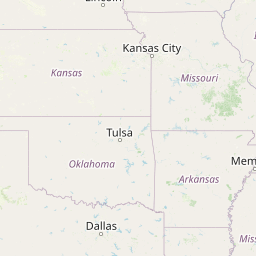
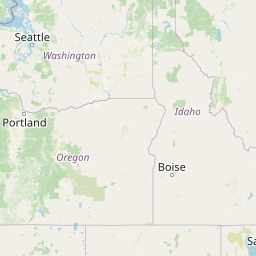
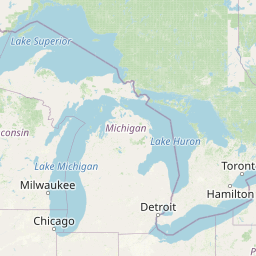
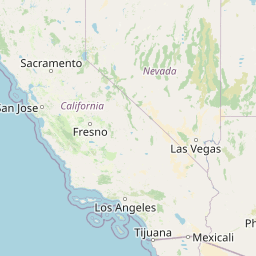
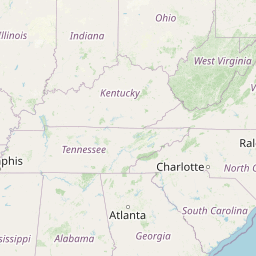
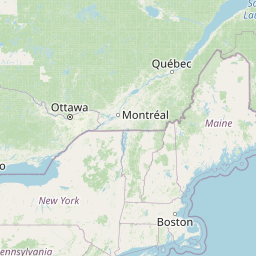



Regions in United States
Appalachian & Smoky Mountains
Region
Arizona
Region
Badlands National Park
Region
California Coast
Region
Colorado Rockies & San Juan Mountains
Region
Death Valley National Park
Region
Eastern Sierra Nevada
Region
Pacific Northwest
Region
Palouse
Region
Utah National Parks
Region
Yellowstone & Grand Teton
Region
Yosemite National Park
Region
Gallery
Overview
The terrain of the United States is structured around several major physiographic regions, including coastal plains, interior lowlands, plateaus, and mountain ranges. Elevation changes range from gradual transitions across plains to abrupt relief in mountainous and canyon-dominated regions. Coastal environments vary significantly between the Atlantic, Pacific, Gulf, and Arctic margins, while interior regions include deserts, grasslands, forests, and extensive river systems. These contrasts produce pronounced differences in texture, colour, and spatial scale across the country. Light and weather patterns are shaped by latitude, continental scale, and diverse climate systems. Cloud cover, storms, haze, and seasonal shifts influence visibility, contrast, and colour across different regions and landscapes.
Key photography subjects
- Mountain ranges, plateaus, and canyon landscapes
- Deserts, plains, and open interior terrain
- Atlantic, Pacific, Gulf, and Arctic coastlines
- River systems, lakes, and inland water bodies
- Forests and varied vegetation zones
- Urban areas and built environments
- Seasonal light, atmosphere, and weather effects
Workshops in United States
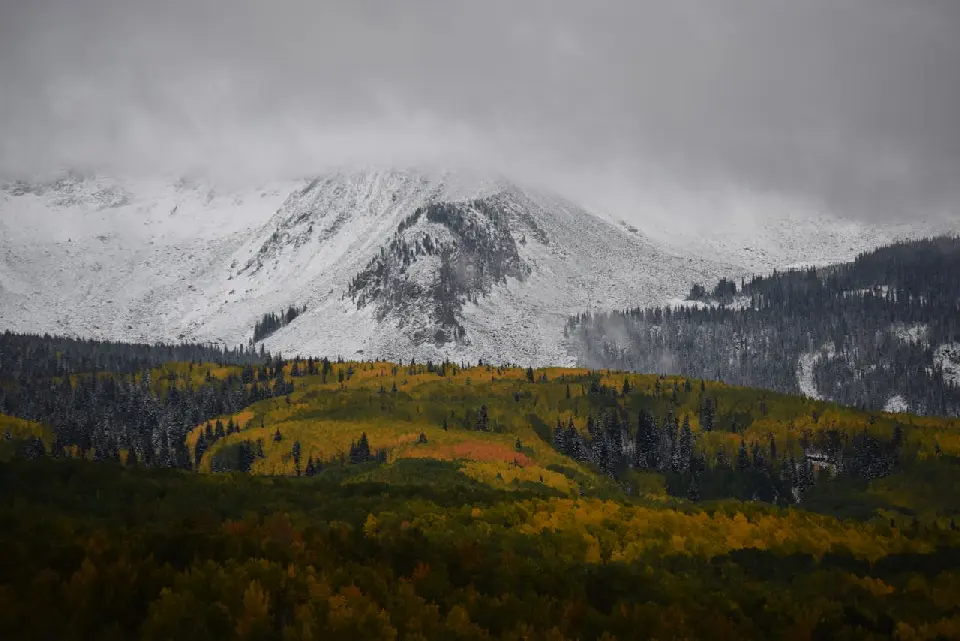
Colorado Fall Color Photography Art Retreat


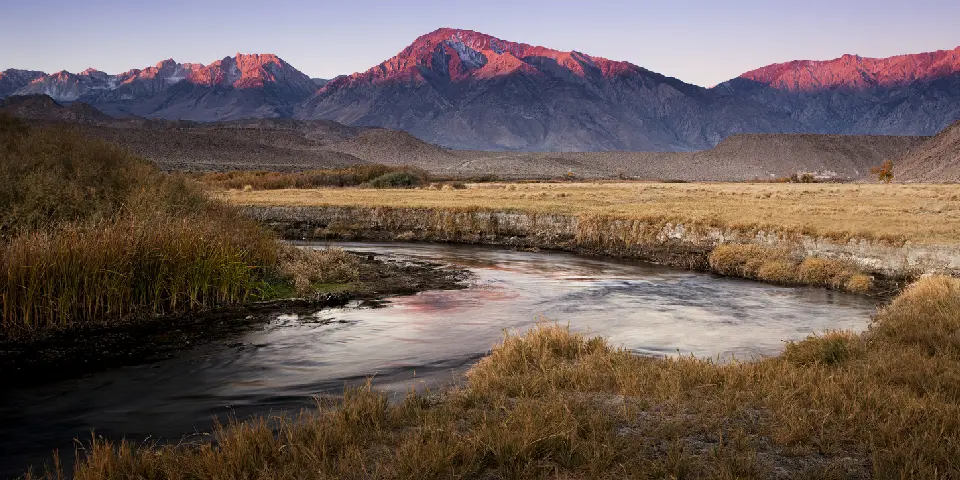
Autumn in Eastern Sierra

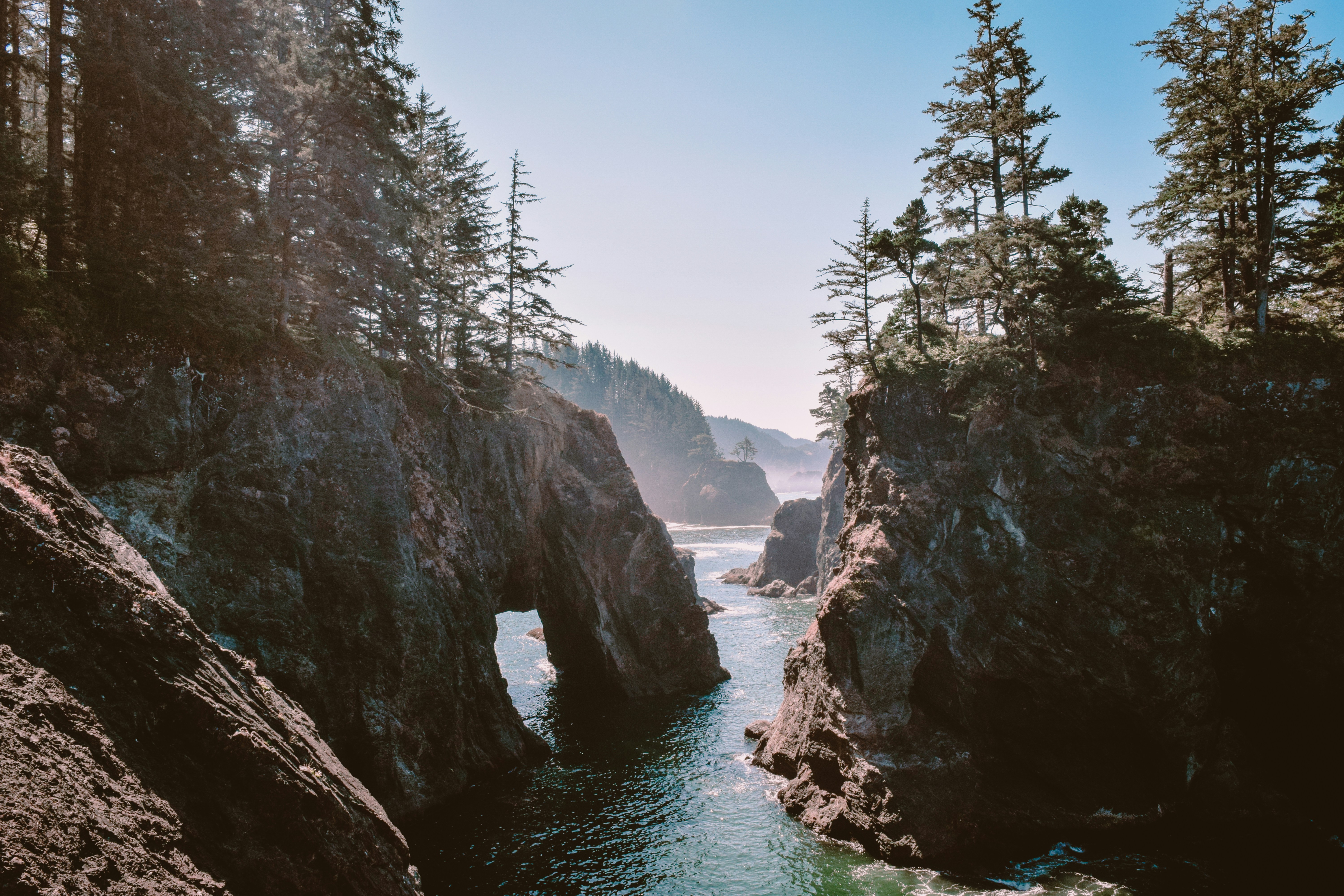
Oregon Coast Adventure Photography Workshop

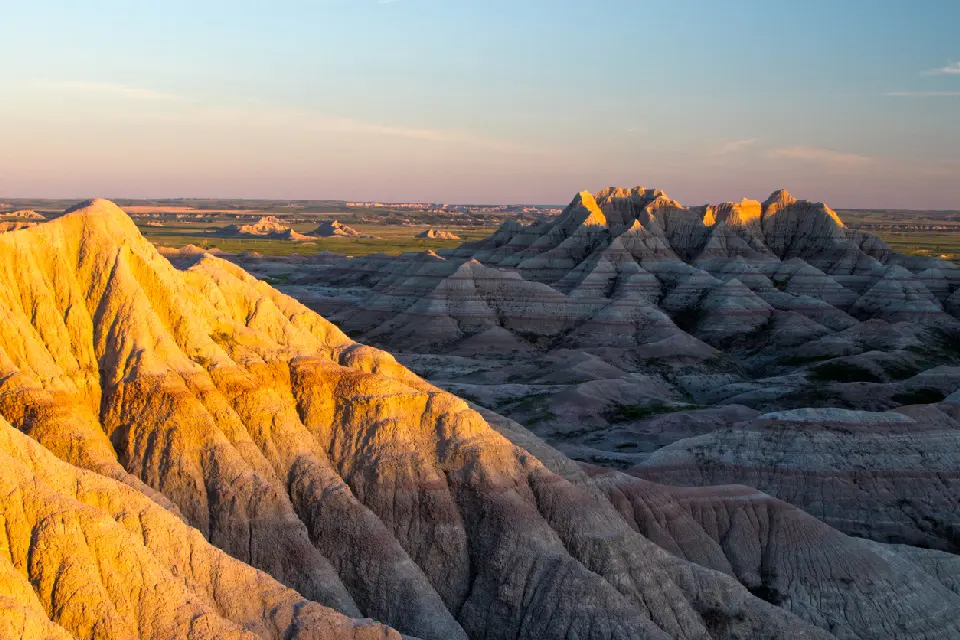
Autumn in Utah Badlands