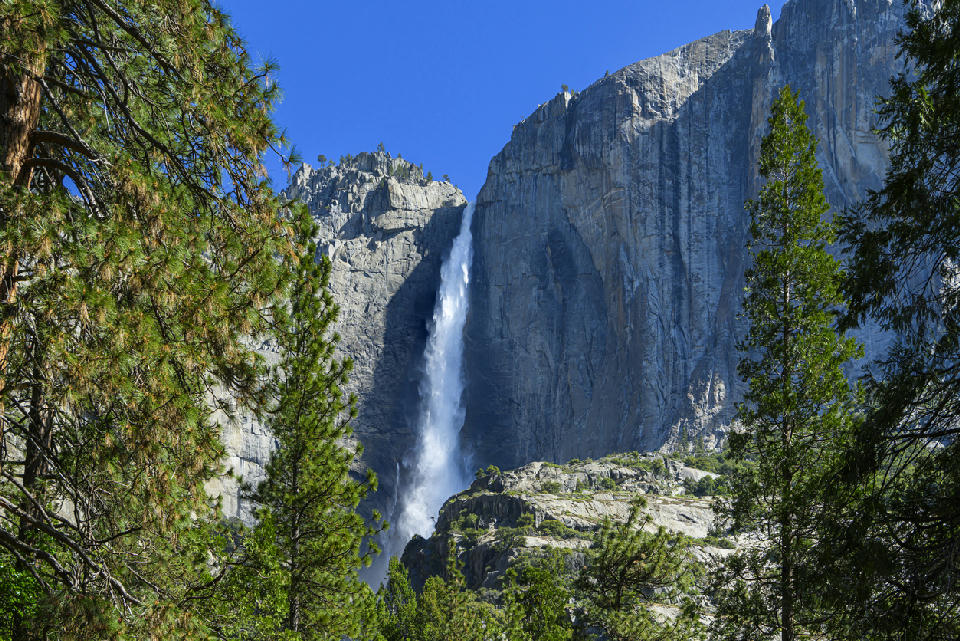
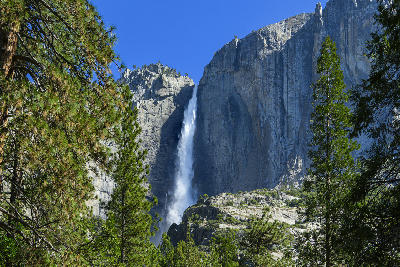
Yosemite Falls plunges down a sheer granite cliff in Yosemite Valley, framed by pine trees and granite walls in Yosemite National Park, California, during the spring runoff.
Yosemite National Park is a mountain landscape in California’s Sierra Nevada defined by granite cliffs, glacial valleys, and a combination of open meadows, river systems, and vertical rock faces. The park is structured around Yosemite Valley, where large-scale geological features are arranged in clear visual relationships rather than dispersed across terrain. Its spatial identity is defined by contrast between vertical mass and open valley floor. The terrain transitions between sheer granite walls, flat valley basins, forested slopes, and elevated alpine ridgelines. Elevation changes are significant, with cliffs rising directly from valley floors while surrounding high country introduces broader alpine terrain beyond the central valley. Seasonal conditions influence water flow, vegetation density, and atmospheric clarity. Light interacts strongly with granite surfaces, waterfalls, and open spaces, creating shifting contrast between shadowed walls and illuminated features.
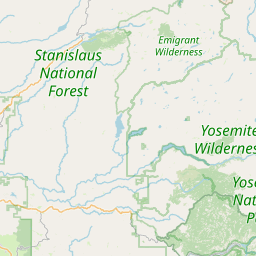
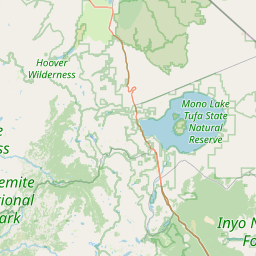
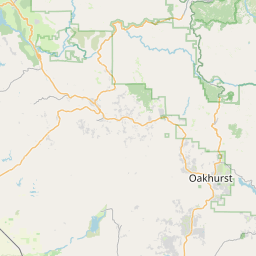
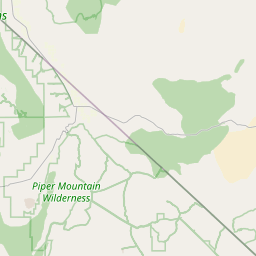
Structured Map of Yosemite National Park
A connected view of the landscape, organised by regions, areas, and key locations.
Tunnel View
landmark
Valley View
landmark
Bridalveil Fall
water feature
El Capitan
landmark
Yosemite Valley
area district
Taft Point
landmark
Glacier Point & High Yosemite
area district
Washburn Point
landmark
Glacier Point
landmark
Sentinel Bridge
landmark
Yosemite Falls
water feature
Half Dome
landmark
Olmsted Point
landmark
Tenaya Lake
water feature
Tuolumne Meadows & Tioga Pass
area district
Tuolumne Meadows
landmark
Tioga Pass
landmark
Areas in Yosemite National Park
Cities & Towns in Yosemite National Park
Gallery
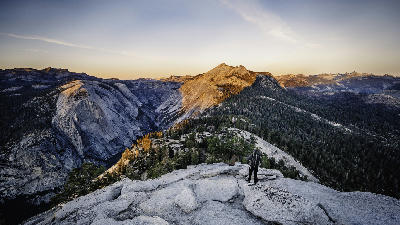
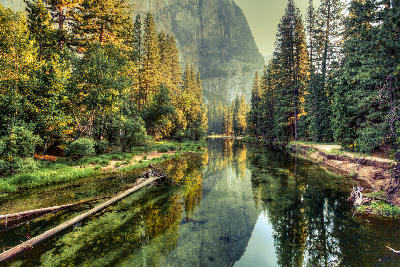
Overview
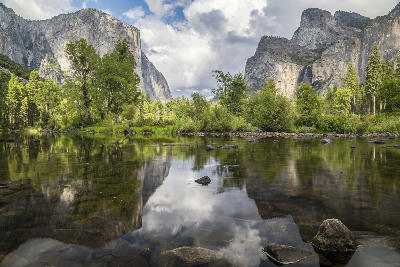
Yosemite is structured around a central glacial valley where major landscape features are positioned in direct relation to one another. Unlike dispersed or pattern-based landscapes, Yosemite presents a composition-driven environment where subjects align naturally within the frame. The valley floor provides open foreground space, while granite walls form vertical boundaries and waterfalls introduce dynamic elements within the scene. Elevated viewpoints extend compositions beyond the valley, incorporating depth across forested terrain and distant ridgelines. The visual structure is defined by contrast and placement. Large features — cliffs, waterfalls, domes — are separated clearly within the landscape, allowing compositions to be built around balance, scale, and spatial relationships.
Key photography subjects
- Granite cliffs rising directly from open valley floor
- Waterfalls descending from vertical rock faces
- River corridors flowing through meadow landscapes
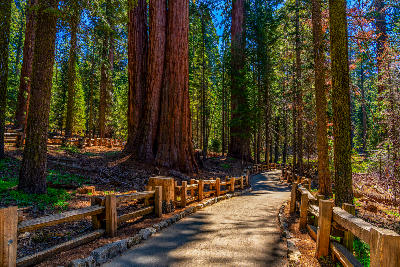
- Forested foregrounds beneath towering granite walls
- Iconic formations positioned within open compositions
- Elevated viewpoints revealing valley-wide structure
- Seasonal water flow and light defining contrast across terrain
Workshops in Yosemite National Park
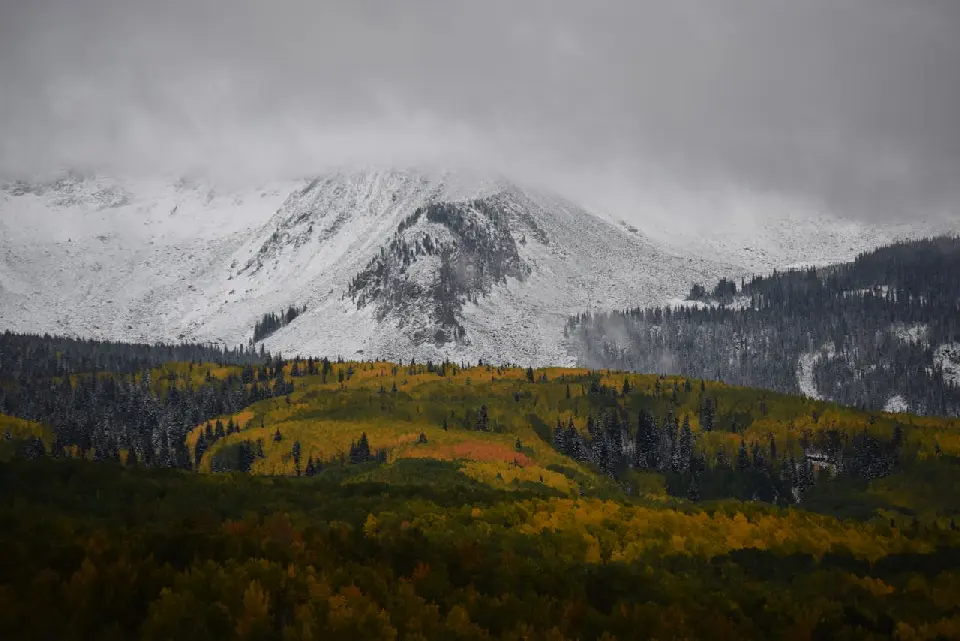
Colorado Fall Color Photography Art Retreat

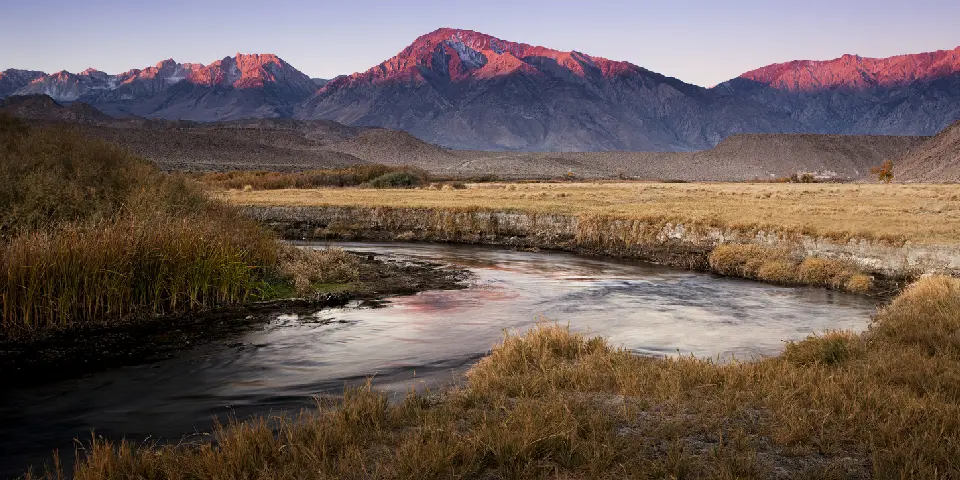
Autumn in Eastern Sierra

Oregon Coast Adventure Photography Workshop
Autumn in Utah Badlands