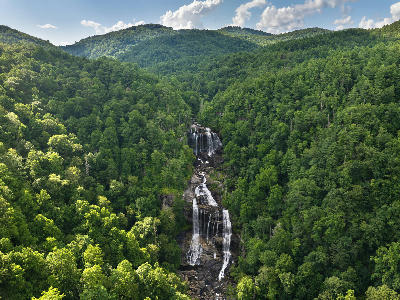
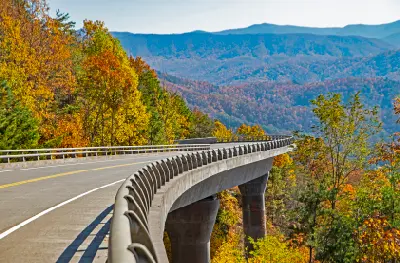
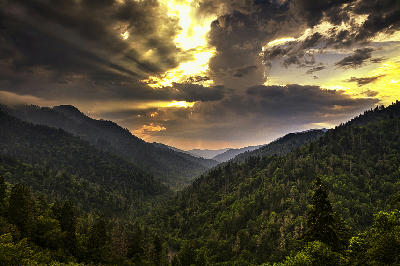
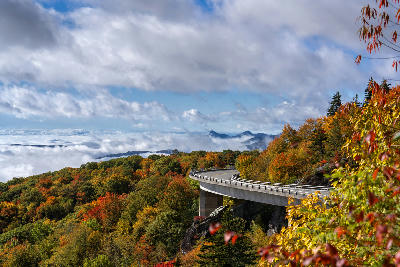
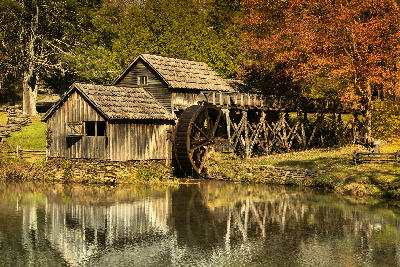
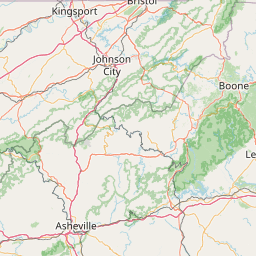
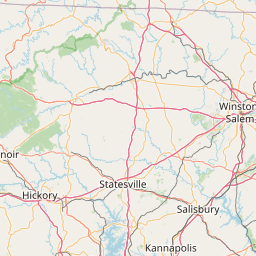
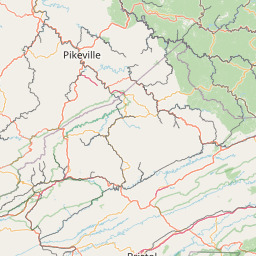
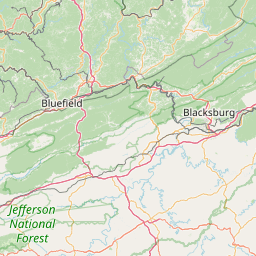
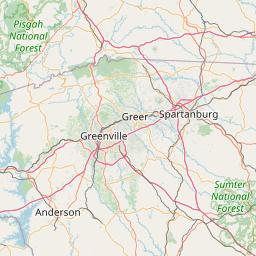
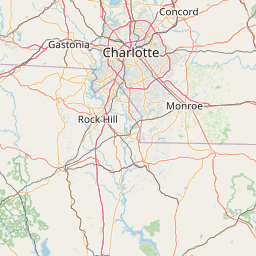
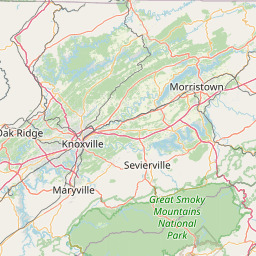
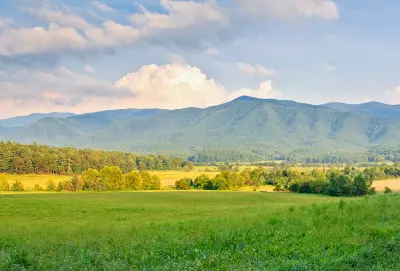
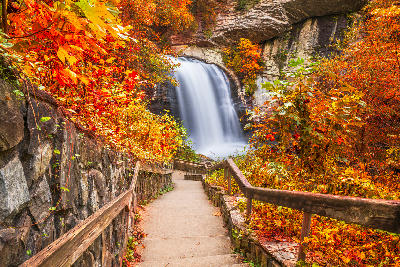
The Appalachian and Smoky Mountains are structured as an atmospheric forest mountain system, where composition is defined less by individual peaks and more by repetition, layering, and changing visibility across the landscape.
The terrain consists of long ridgelines separated by forested valleys and river systems. Unlike high alpine regions with exposed rock and dramatic relief, the visual structure here is softened by vegetation and atmospheric conditions.
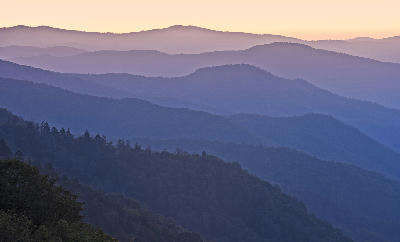
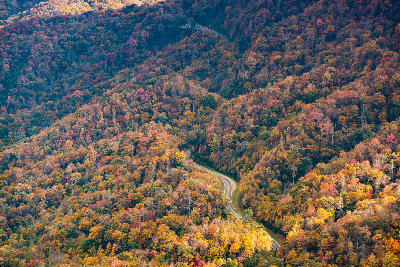
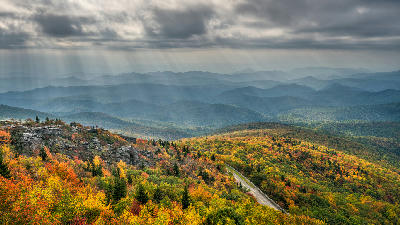
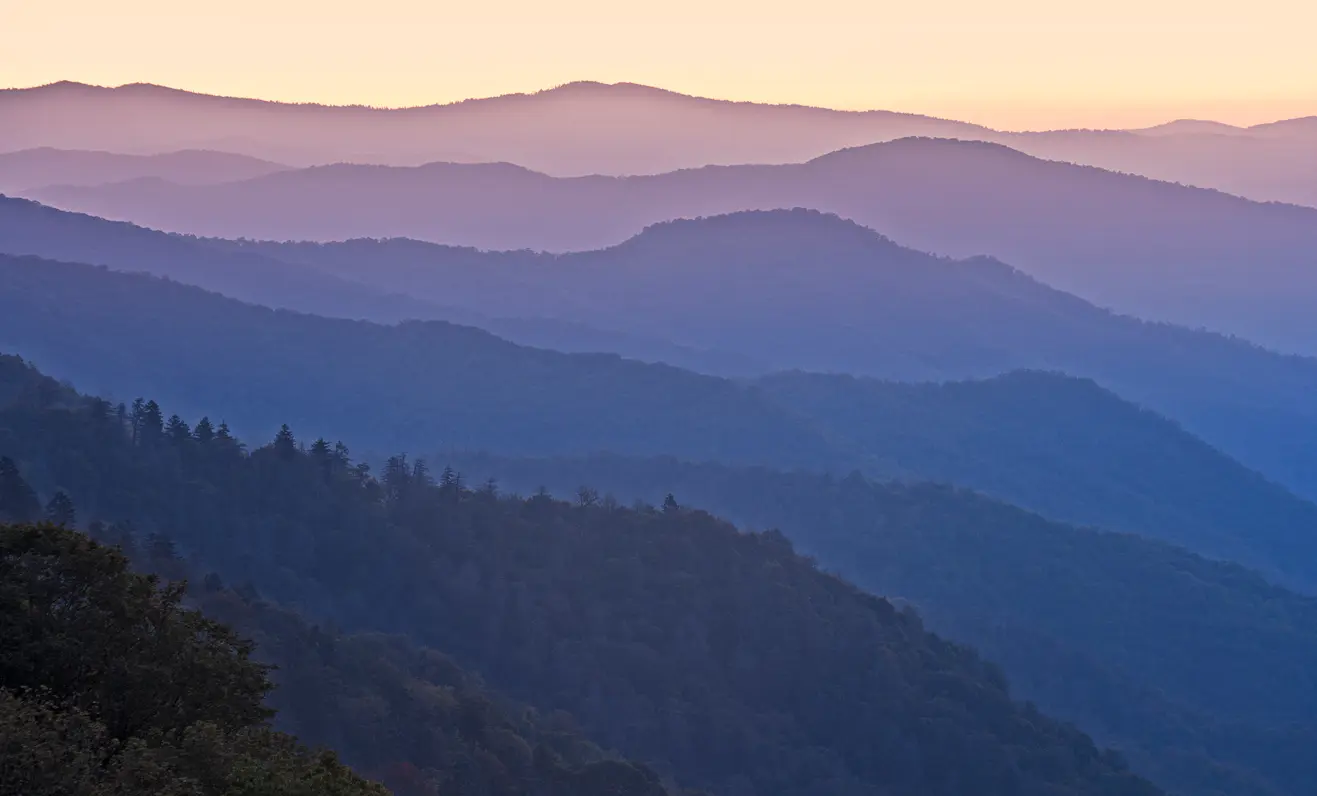
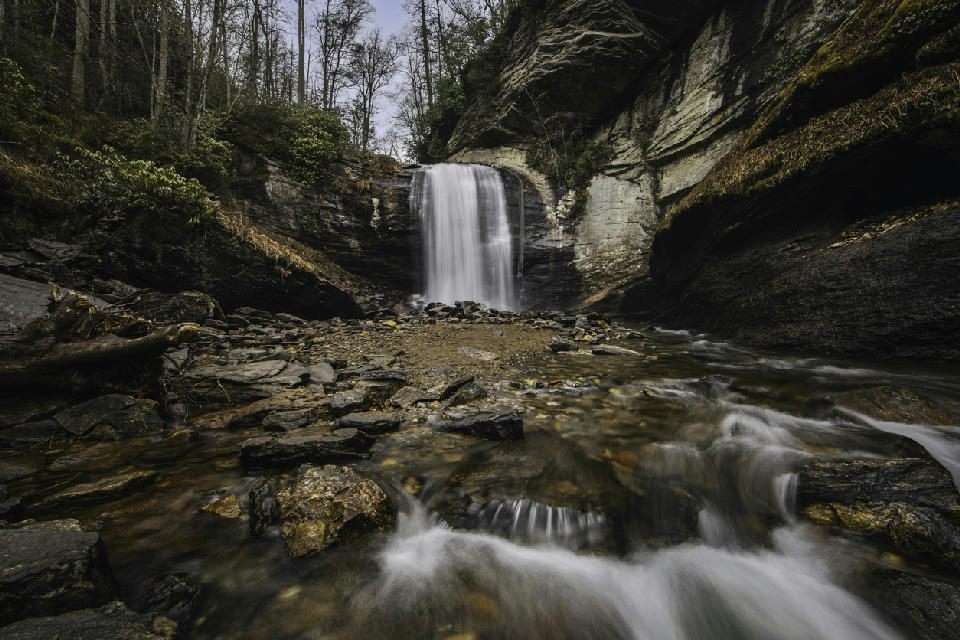
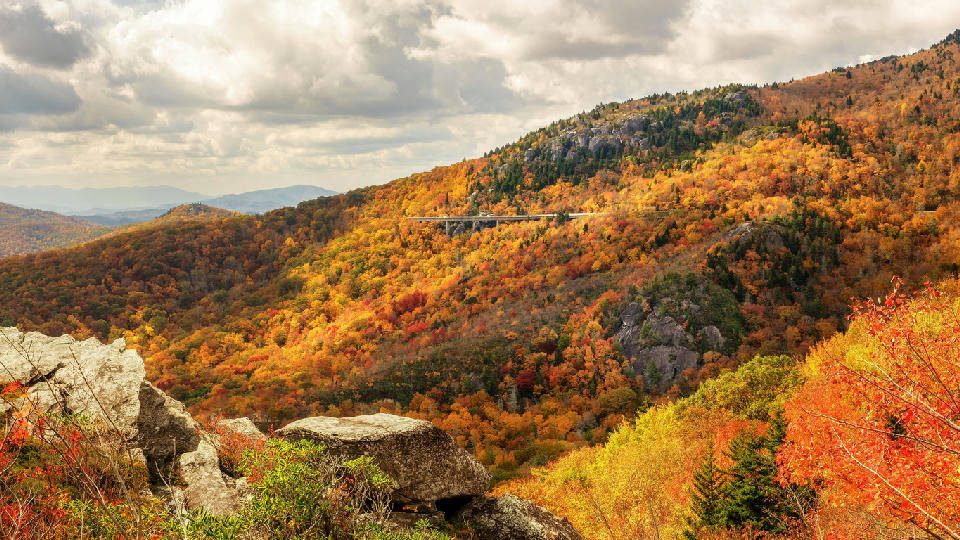
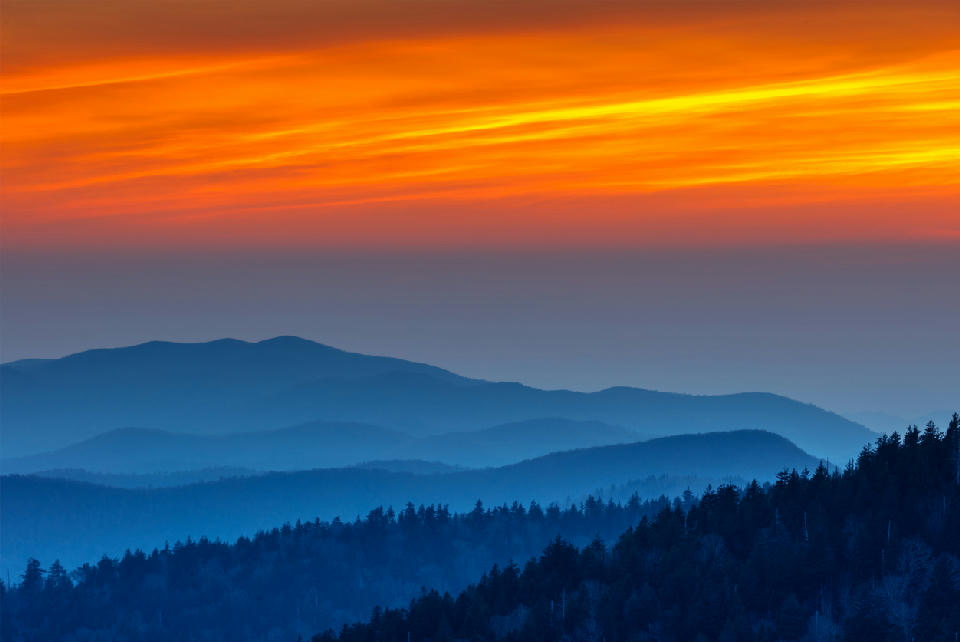
For photographers, the region functions through layered atmospheric composition. Scenes are built from overlapping ridges, forest textures, fog, and seasonal colour rather than singular landmarks.
The visual structure is defined by depth and atmosphere. Light, haze, and weather conditions create separation between ridgelines, producing gradual tonal transitions across the mountains.

 01
01