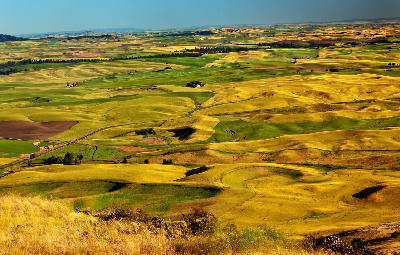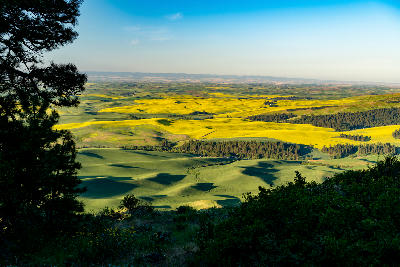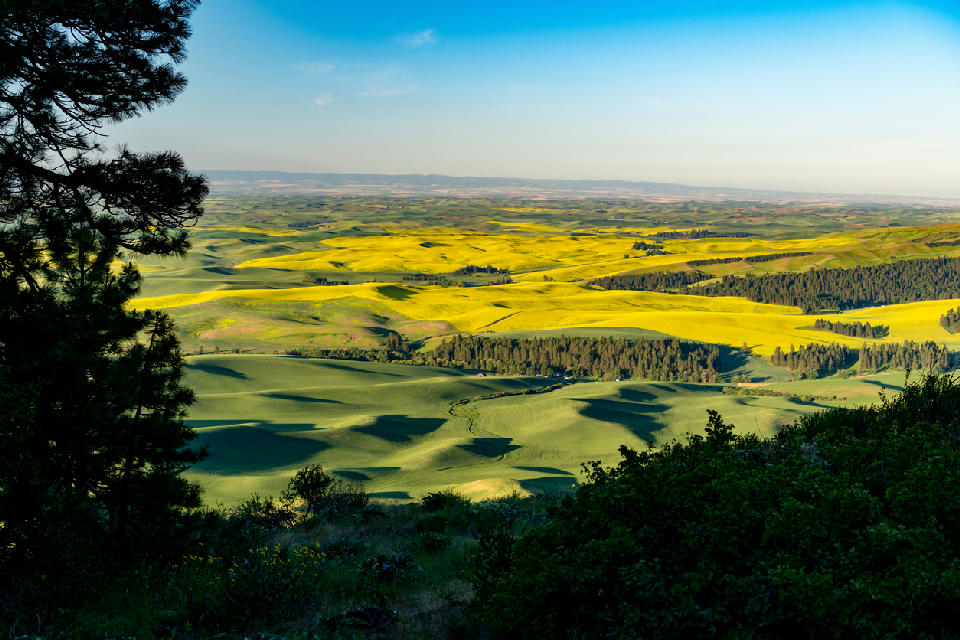
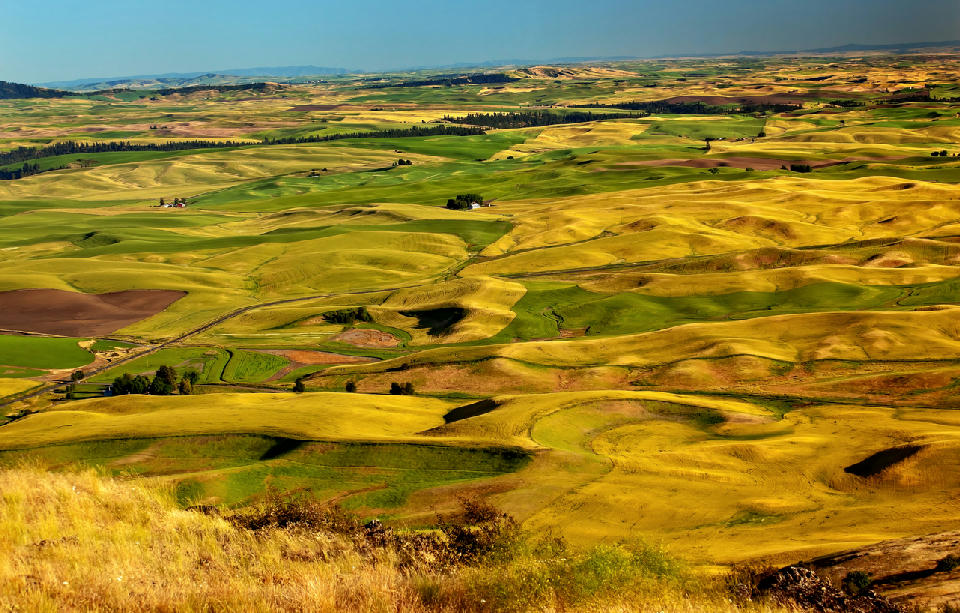
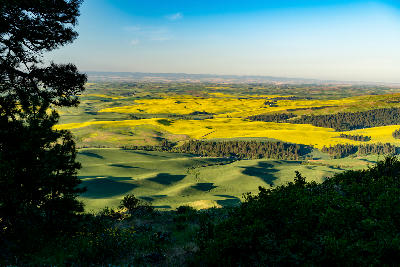
Yellow canola fields and rolling farmland viewed from the wooded slopes of Kamiak Butte in the Palouse region of Washington State

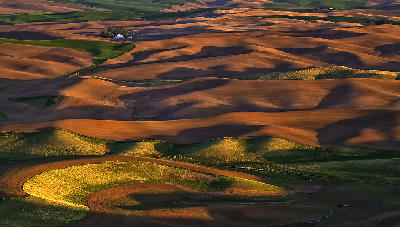
    Early morning light over canola fields and rolling farmland viewed from Kamiak Butte in the Palouse region of Washington State.

    Palouse

    The Palouse is a rolling agricultural landscape in the inland Pacific Northwest, defined by soft loess hills shaped by wind-deposited soils and cultivated farmland. The terrain forms a continuous series of smooth, undulating ridges with minimal interruption, creating a landscape built entirely on form, rhythm, and repetition.

    The hills rise and fall gradually across the region, with no dominant peaks or hard edges. Fields are planted across the contours of the terrain, creating layered patterns that shift in colour and texture throughout the growing season.

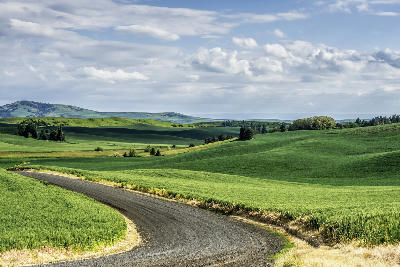
    Seasonal conditions strongly influence the visual character. Crop cycles determine colour—from deep greens in spring to golden yellows in summer and muted tones after harvest—while light and shadow emphasise the shape of the land.

    Geographic discovery

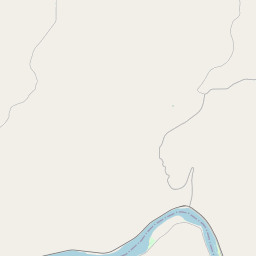
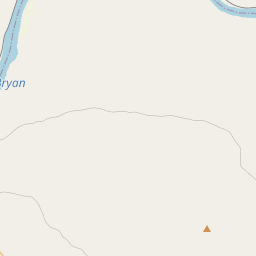
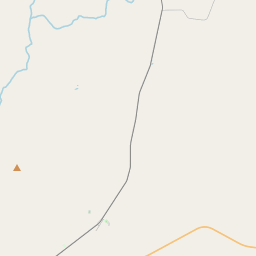
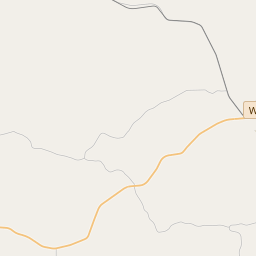
    Explore Palouse by Area

    Choose a part of the Palouse to discover its landscapes, photographic character, and locations.

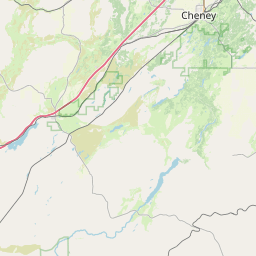
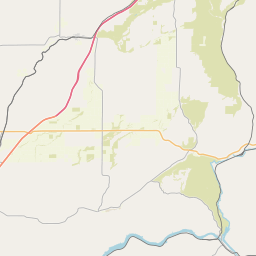
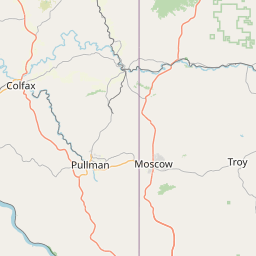
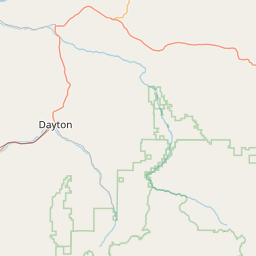
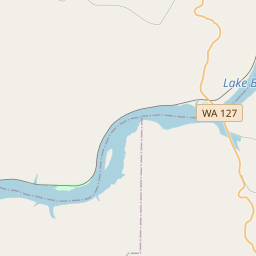
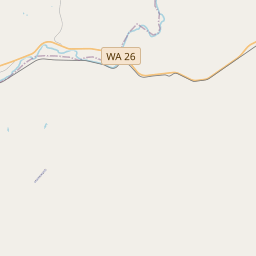
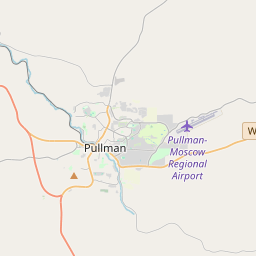
    Open interactive Explore

    Explore Areas in Palouse

    Open in Explore
    Photographic journey

    Palouse Photography Route

    Palouse Route · 6 stops

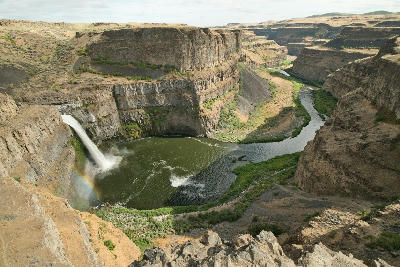
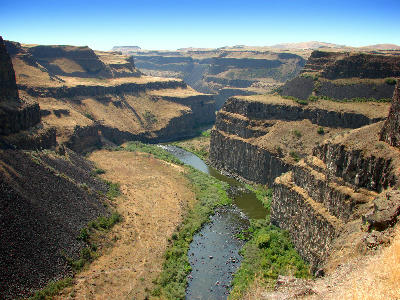
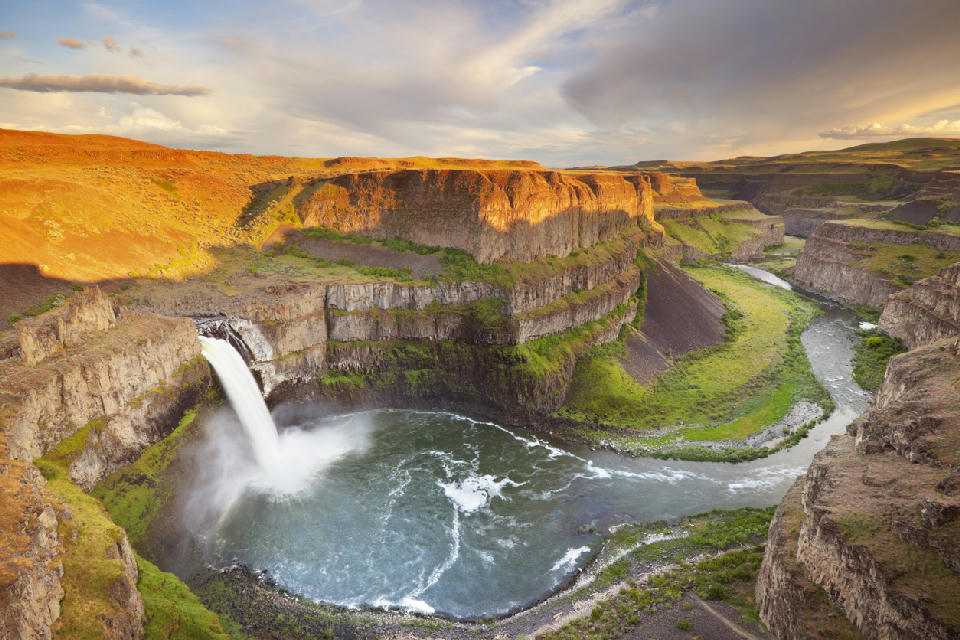
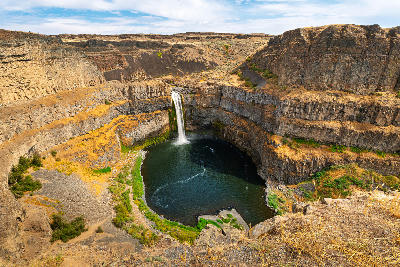
    Palouse Falls flowing into a basalt canyon along the Palouse River in Washington State01

    Palouse River & Waterfalls

    The landscape is formed by the Palouse River cutting through basalt rock and rolling terrain, creating waterfalls, narrow canyon sections, and exposed cliff faces along the river corridor. Compared to the surrounding farmland, the terrain is more enclosed and vertically structured, with stronger elevation change and concentrated natural features. Photographically, the area works through contrast, movement, and texture. Waterfalls provide focal points within darker basalt formations, while the river adds leading lines through the canyon landscape. Light interacts strongly with rock and water surfaces, with seasonal flow and changing conditions influencing texture, reflection, and atmosphere.
    Palouse Falls waterfall descending into a circular basalt canyon and plunge pool in Washington State02

    Palouse Falls

    Palouse Falls is a large waterfall on the Palouse River in southeastern Washington, dropping through a basalt canyon below the surrounding plateau landscape. The scene is defined by vertical cliffs, dark volcanic rock, and the winding river corridor extending downstream from the falls. Compositions form through scale, canyon depth, and the relationship between the waterfall, river, and layered basalt walls.

    Yellow canola fields and rolling farmland viewed from the wooded slopes of Kamiak Butte in the Palouse region of Washington State03

    Kamiak Butte

    Kamiak Butte is a forested butte rising above the Palouse farmland in eastern Washington, offering elevated views across rolling agricultural hills. The landscape combines wooded slopes with layered farmland patterns extending into the distance. Compositions form through elevation, repeating contours, and the contrast between foreground trees and open fields.

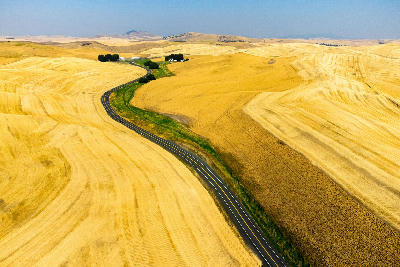
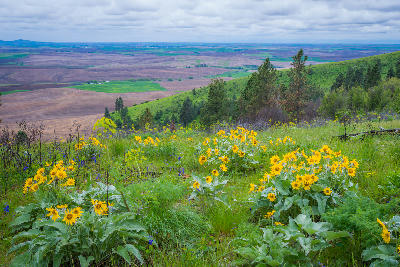
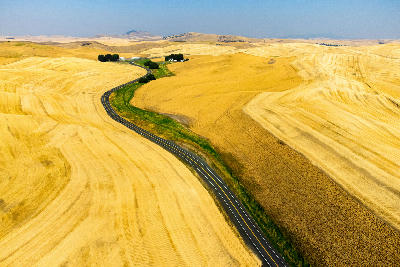
    Winding road through rolling wheat fields in the Palouse region of Washington04

    Palouse Hills Road Network

    Palouse Hills Road Network is a collection of rural roads winding through the rolling farmland of the Palouse region in eastern Washington. The landscape is defined by flowing agricultural contours, layered hills, and changing crop patterns. Compositions form through road curves, leading lines, and the relationship between foreground fields and distant ridgelines.

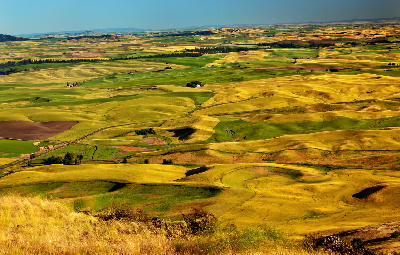
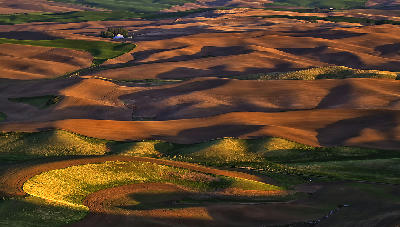
    Layered farmland patterns and rolling hills viewed from Steptoe Butte in the Palouse region of Washington State.05

    Palouse Farmland

    The landscape is formed by a series of smooth, undulating hills shaped by agricultural use and gradual elevation change. Fields follow the contours of the terrain, creating continuous patterns across ridges, slopes, and valleys with very little visual interruption. Photographically, the area works through repetition, contour, and seasonal variation. Crop divisions and curved field lines create layered compositions across the hills, while elevated viewpoints reveal the scale and rhythm of the terrain. Light plays a major role, with low-angle light defining shape, texture, and depth across the farmland.

    Steptoe Butte sunrise rolling farmland Palouse Washington06

    Steptoe Butte

    Steptoe Butte is an elevated viewpoint rising above the Palouse farmland in eastern Washington, offering a full panoramic view of rolling agricultural hills. The terrain is defined by continuous curves, soft ridgelines, and shifting crop patterns. Compositions form through compression, repetition, and the relationship between light and the layered contours of the landscape.

    Explore the Full Palouse Route6 stops across the Palouse

    Overview

    The Palouse is structured as a rolling pattern landscape, where composition is driven by shape, repetition, and tonal variation rather than distinct landmarks.

    The terrain consists of loess hills formed by wind-blown sediments, creating smooth, continuous curves across the land. Agricultural use enhances these forms, with fields following the natural contours, producing layered patterns across the hills.

    For photographers, the region functions through pattern-based composition at scale. Instead of relying on foreground–background separation, compositions are built using repetition, colour contrast, and directional lines across the terrain.

    The visual structure is defined by rhythm and flow. Hills create natural leading lines, while light and crop variation introduce contrast across the landscape.

    Key Photography Subjects

    • Rolling loess hills forming continuous curved landscapes
    • Agricultural fields creating layered patterns and textures
    • Repeating ridgelines across large open terrain
    • Seasonal colour variation driven by crop cycles
    • Light and shadow defining hill structure
    • Minimal vertical elements creating clean compositions
    • Abstract landscapes built from shape and repetition

    Gallery

    Workshops in Palouse

    No upcoming workshops scheduled for Palouse at this time.

    Check back soon or explore other destinations.