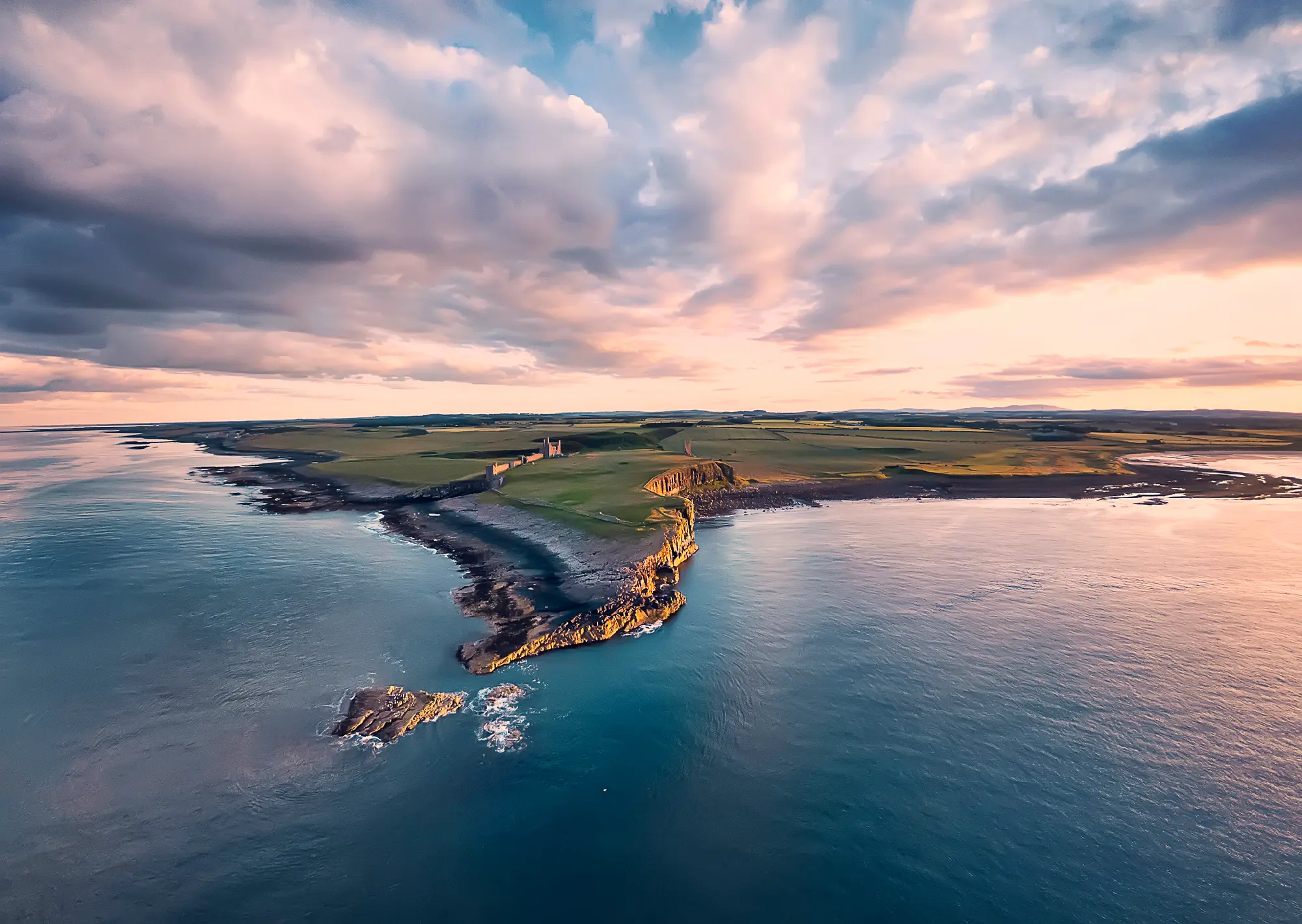
A dramatic sunset illuminates the rugged Northumberland coastline, with the ruins of Dunstanburgh Castle overlooking the North Sea and surrounding green countryside.
The Northumberland Coast forms an exposed coastal landscape in north-east England, defined by sweeping sandy beaches, rocky headlands, tidal flats and historic castles. The area extends along the North Sea from the coastal settlements around Amble towards Holy Island and the Scottish border, where medieval fortifications occupy prominent positions above broad bays and low-lying coastal plains. The terrain transitions between extensive dune systems, sandstone cliffs, rocky shorelines and sheltered tidal estuaries. Offshore islands and intertidal causeways introduce additional coastal formations, while agricultural fields and grass-covered headlands extend inland from the shoreline. Seasonal variation influences coastal vegetation, tidal conditions and atmospheric clarity, creating changes in beach textures, sea colour and visibility across the North Sea.
Gallery

Key POIs in Northumberland Coast
Nearby Places
View all on mapKielder Water & Forest
landmark — 66.6 km
Northern England
Kielder Observatory & Dark Skies
landmark — 70.3 km
Northern England
Hadrian’s Wall & Northumberland Interior
area district — 70.6 km
Northern England
Housesteads Roman Fort
landmark — 73.1 km
Northern England
Crag Lough & Highshield Crags
landmark — 75.1 km
Northern England
Steel Rigg & Peel Crags
landmark — 76.3 km
Northern England
Lambley Viaduct
landmark — 88.3 km
Northern England
Arthur's Seat
landmark — 104.8 km
Central Scotland
Overview
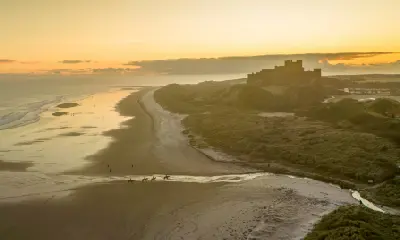
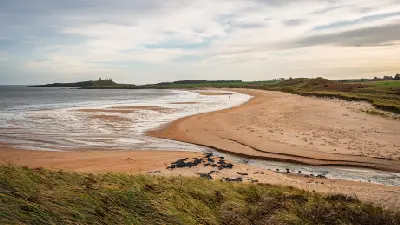
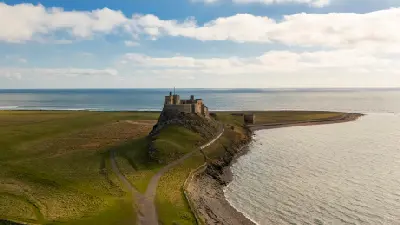
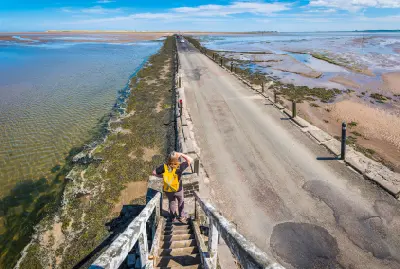
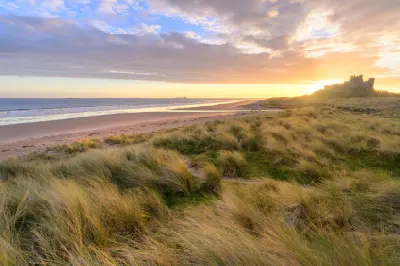
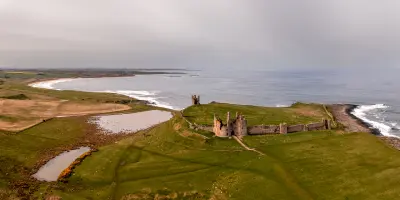
The Northumberland Coast is structured around a succession of sandy bays, rocky headlands and low coastal plains bordering the North Sea. Bamburgh Castle occupies an elevated position above extensive beaches and dune systems, while Dunstanburgh Castle stands on an exposed headland overlooking the broad shoreline of Embleton Bay. Across the area, Holy Island is connected to the mainland by a tidal causeway, with Lindisfarne Castle rising above rocky coastal terrain. Farther offshore, the Farne Islands form a group of rocky islands supporting important seabird colonies, while tidal flats, sheltered harbours and coastal grasslands provide contrasting landscapes along the mainland shoreline. The visual structure of the area is defined by the relationship between historic architecture and expansive coastal terrain. Castles create prominent focal points above beaches and headlands, while tidal patterns, shifting cloud and directional sunlight introduce changing textures, reflections and atmospheric conditions across the coastline.
Key photography subjects
- Bamburgh Castle overlooking sandy beaches and dunes
- Dunstanburgh Castle and rugged coastal headlands
- Embleton Bay and sweeping North Sea shorelines
- Holy Island causeway, tidal flats and coastal reflections
- Lindisfarne Castle and rocky island landscapes
- Farne Islands seabirds, rocky shores and marine wildlife
- Sunrise, sea mist, storm light and atmospheric seascapes
Workshops in Northumberland Coast
No upcoming workshops scheduled for Northumberland Coast at this time.
Check back soon or explore other destinations.