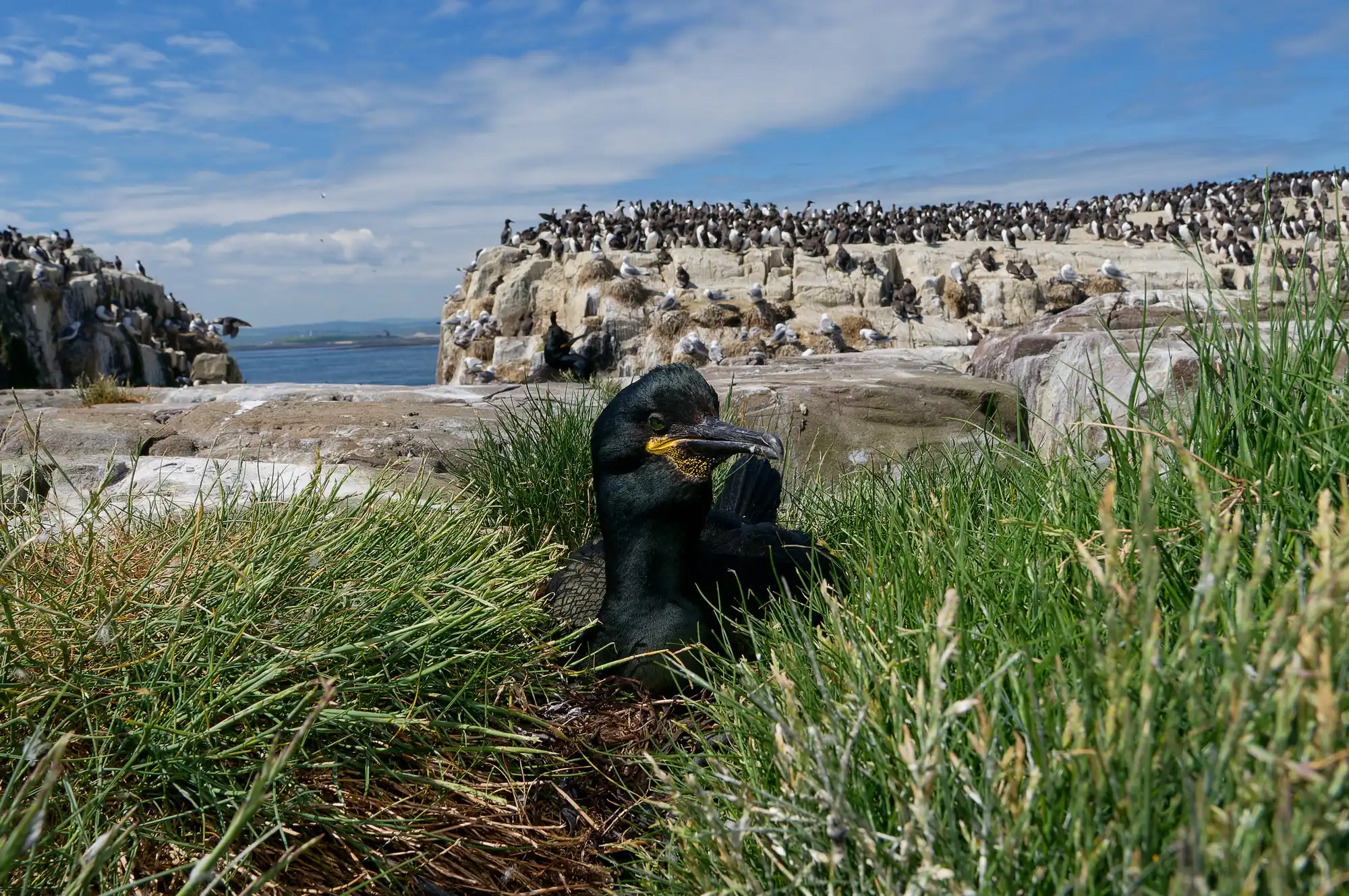
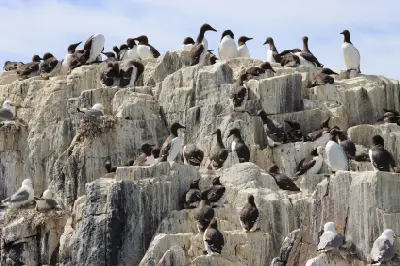
A European shag rests among coastal grasses on the Farne Islands, with thousands of nesting seabirds gathering on the rocky cliffs behind it.
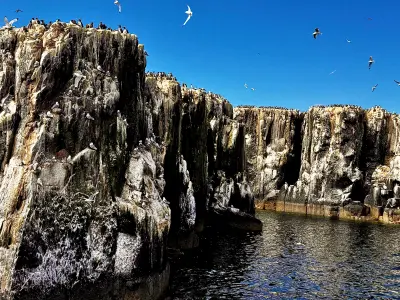
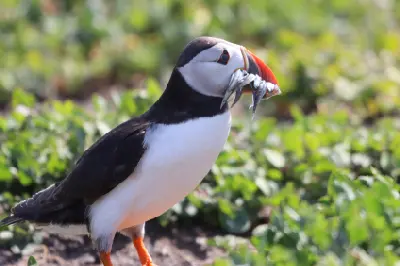
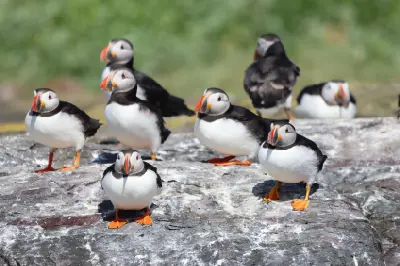
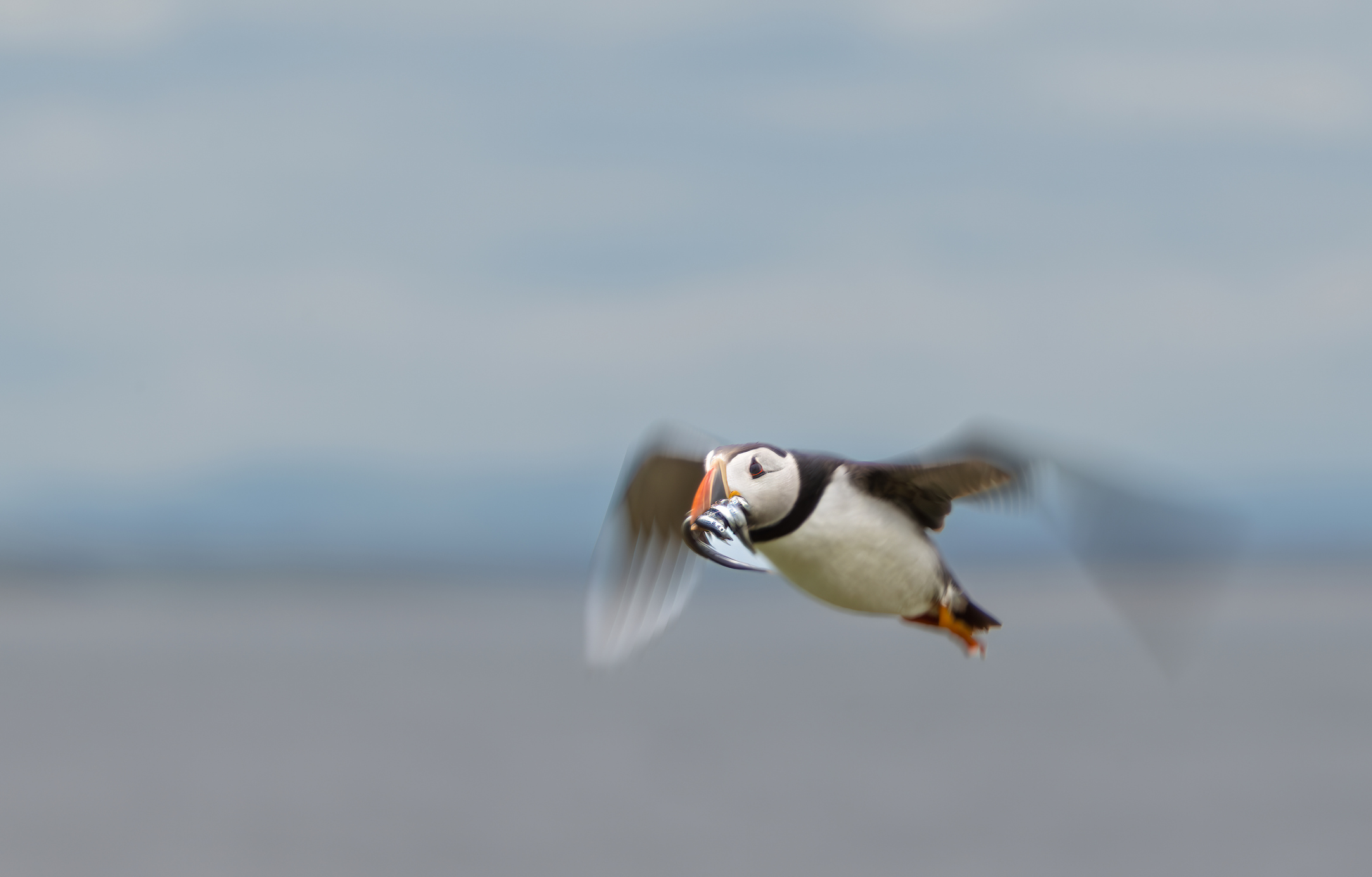
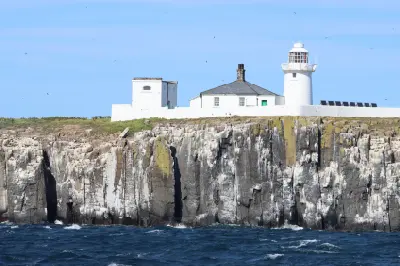
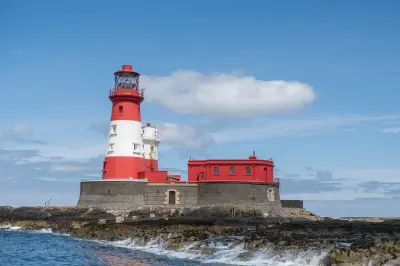
The Farne Islands are a group of rocky islands off the Northumberland coast near Seahouses, recognised for their breeding seabird colonies and large population of grey seals. The islands contain nesting habitats for puffins, guillemots, razorbills and Arctic terns, alongside historic lighthouses and exposed coastal rock formations. Boat trips and seasonal island landings provide opportunities for wildlife photography, with close views of seabirds, marine mammals and the surrounding island landscapes.
55.61667, -1.65580
Gallery
Quick Facts
Access
Short Walk
45–90 min
Elevation Gain
10 m
Best Light
Soft light retains detail in dark and white plumage, while low-angle sunlight reveals feather texture and the contours of rocky nesting cliffs.
Why This Light
Season
Seasonally Distinct
Summer brings large breeding colonies of puffins, guillemots, razorbills and Arctic terns, with birds nesting on cliffs, grassy slopes and rocky ledges. Winter sees most breeding seabirds depart, while grey seals remain around the islands and autumn brings the main seal pupping season.
Crowds
Busy Midday
Restrictions
The Farne Islands are reached by boat from Seahouses, with landing opportunities dependent on seasonal schedules, weather, sea conditions and wildlife conservation measures. Some trips circle the islands without landing, so visitors should confirm the itinerary before booking. Island access may be restricted during seabird breeding periods or conservation work, and designated paths must be followed to protect nesting wildlife. Arctic terns may aggressively defend nesting areas during summer. Boat crossings can be rough, and visitors should check current National Trust access arrangements and operator schedules before travelling.