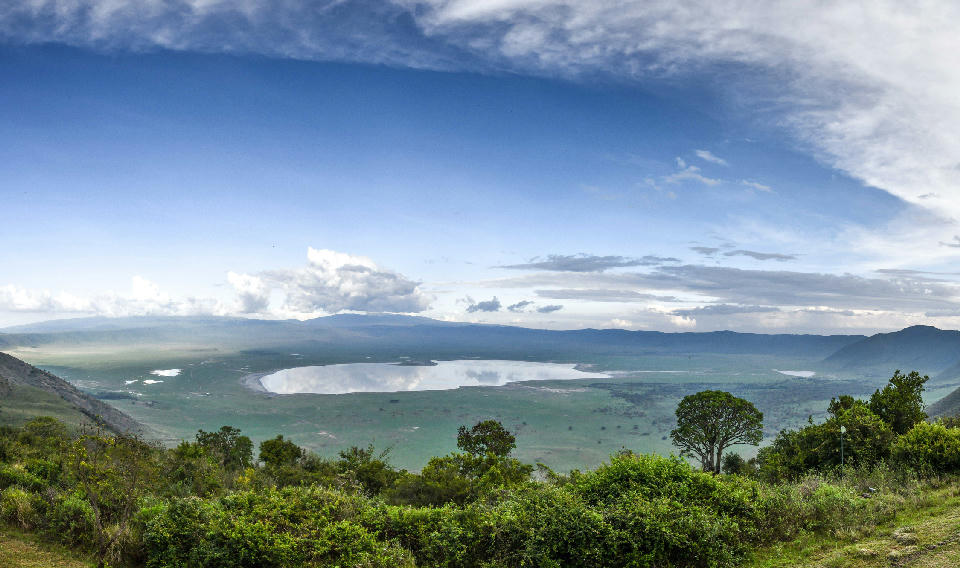
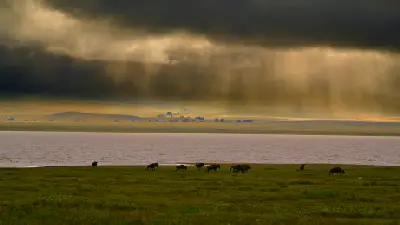
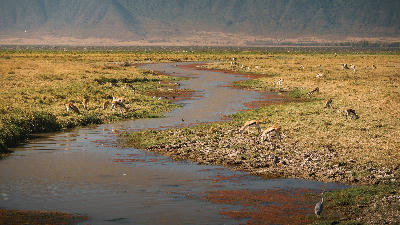
Panoramic view across Ngorongoro Crater and Lake Magadi in the Ngorongoro Highlands, Tanzania
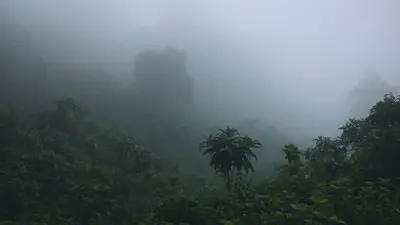
The Ngorongoro Conservation Area is one of Africa's most extraordinary protected landscapes, where the world's largest intact volcanic caldera, ancient volcanic highlands, crater lakes, open grasslands and globally significant archaeological sites combine to create one of Tanzania's most iconic natural regions. Covering more than 8,000 km² in northern Tanzania, the conservation area forms a vital ecological link between the Serengeti Ecosystem and the Great Rift Valley while protecting an exceptional diversity of landscapes, wildlife and Maasai pastoral lands. The landscape was created by a chain of massive volcanoes that dominated northern Tanzania millions of years ago. Their collapse formed the immense Ngorongoro Crater, while neighbouring volcanoes created Empakaai Crater, Olmoti Crater and the surrounding volcanic plateau. Fertile volcanic soils support montane forests, open highland grasslands, alkaline lakes and wildlife-rich plains, creating a remarkable variety of habitats within a single protected area. The conservation area also contains Olduvai Gorge, one of the world's most important archaeological sites documenting early human evolution. Seasonal rainfall continually transforms the conservation area. The dry season provides excellent wildlife viewing and sweeping views from the crater rim, while the rainy seasons blanket the volcanic slopes in vibrant green vegetation, fill seasonal wetlands and produce dramatic cloud formations across the highlands. Mist drifting through the forests, changing mountain weather and warm low-angle light create exceptional opportunities for both landscape and wildlife photography throughout the year.
Gallery
Key POIs in Ngorongoro Conservation Area
Nearby Places
View all on mapGroundwater Forest
landmark — 57.9 km
Northern Safari Circuit
Ol Doinyo Lengai
landmark — 65.0 km
Northern Safari Circuit
Lake Manyara National Park
area district — 69.4 km
Northern Safari Circuit
Lake Manyara
landmark — 74.5 km
Northern Safari Circuit
Lake Natron & Rift Valley
area district — 75.5 km
Northern Safari Circuit
Moru Kopjes
landmark — 91.6 km
Northern Safari Circuit
Seronera Valley
landmark — 96.5 km
Northern Safari Circuit
Lake Natron
water feature — 105.0 km
Northern Safari Circuit
Overview
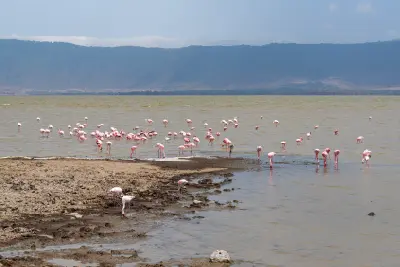
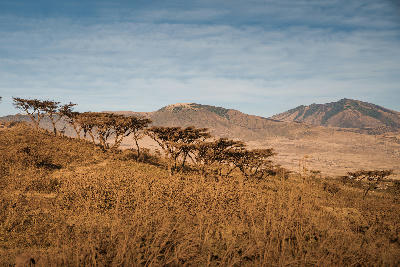
The Ngorongoro Conservation Area is structured around a series of interconnected volcanic landscapes, each offering a distinctive photographic character. At its centre lies the Ngorongoro Crater, an immense volcanic caldera supporting one of Africa's highest concentrations of wildlife. To the northeast, Empakaai Crater contains a deep volcanic lake surrounded by forested crater walls, while nearby Olmoti Crater offers rolling montane grasslands, waterfalls and panoramic viewpoints. Further west, the short-grass plains of Ndutu provide the southern extension of the Serengeti Ecosystem and host the annual wildebeest calving season, while Olduvai Gorge preserves one of the world's most important records of early human history. Each landscape contributes to the conservation area's remarkable diversity. Dense montane forests cloak the higher elevations, volcanic grasslands support large grazing mammals and predators, crater lakes attract flamingos and other waterbirds, while broad open plains merge seamlessly into the neighbouring Serengeti. The coexistence of spectacular geology, abundant wildlife, living Maasai culture and internationally significant archaeological heritage makes the conservation area unlike any other protected landscape in Africa. The visual character of the Ngorongoro Conservation Area is defined by dramatic changes in elevation, sweeping crater panoramas and constantly changing mountain weather. Forested crater rims descend into wildlife-filled grasslands, volcanic peaks rise above distant horizons and seasonal cloud, mist and afternoon thunderstorms continually reshape the landscape. Sunrise and sunset illuminate the crater walls with warm golden light, producing some of Tanzania's finest landscape photography.
Key photography subjects
- Ngorongoro Crater and panoramic crater-rim viewpoints
- Wildlife on the crater floor, including elephants, lions and rhinos
- Empakaai and Olmoti Craters
- Volcanic highlands, montane forests and crater lakes
- Ndutu Plains and the Great Migration calving season
- Olduvai Gorge and dramatic volcanic landscapes
- Morning mist, dramatic storm clouds and golden highland light
Workshops in Ngorongoro Conservation Area
No upcoming workshops scheduled for Ngorongoro Conservation Area at this time.
Check back soon or explore other destinations.