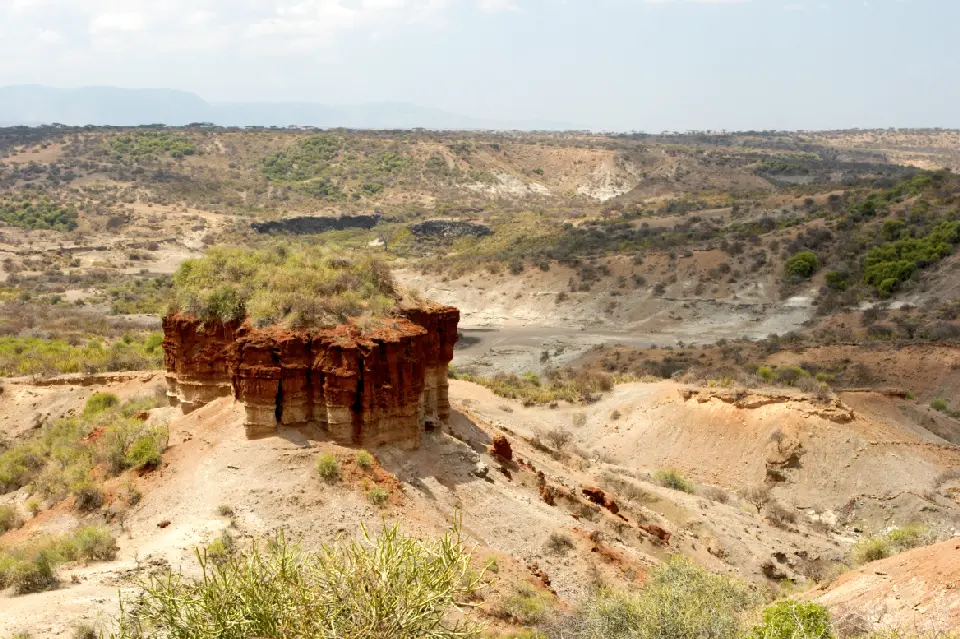
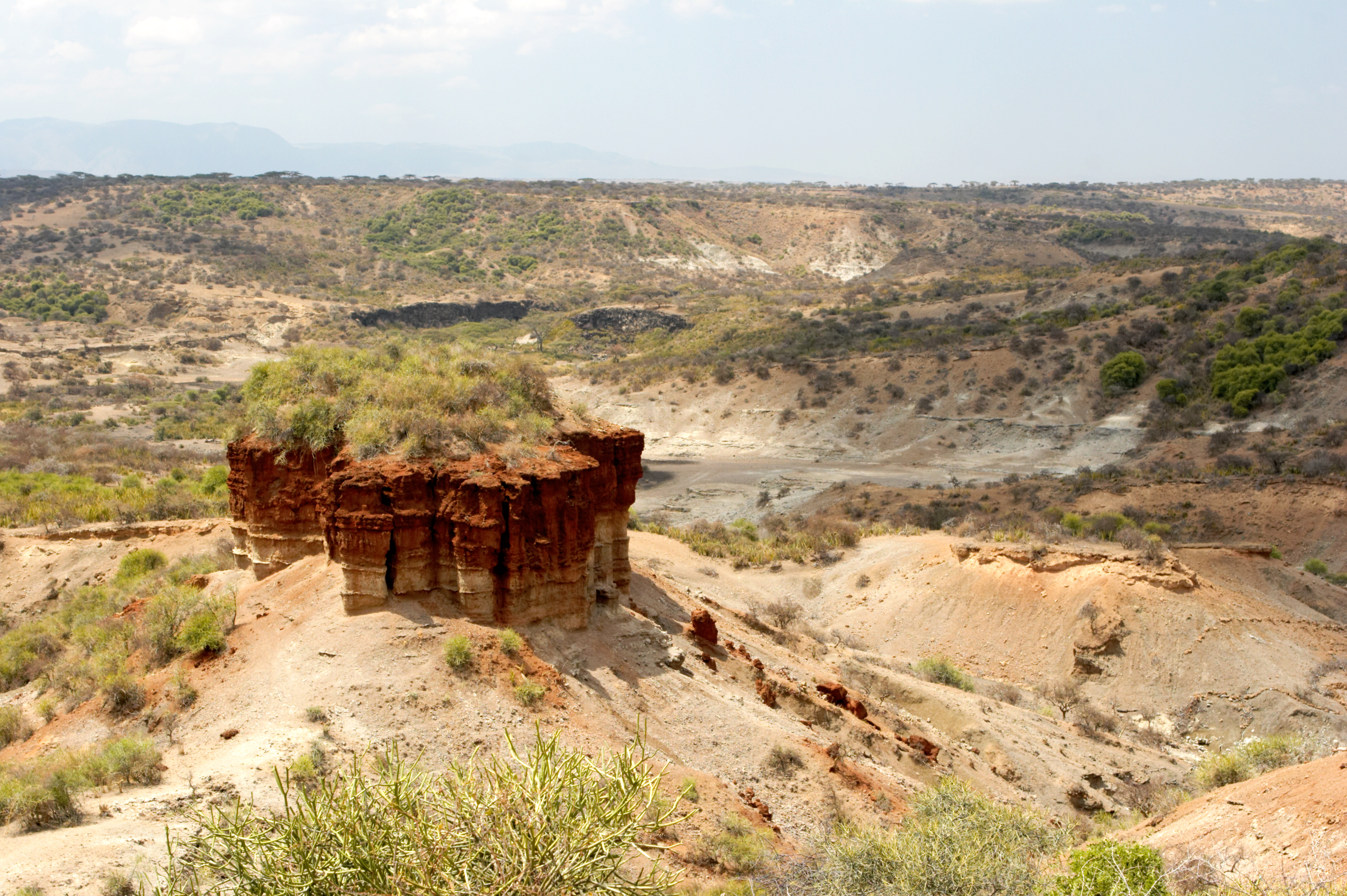
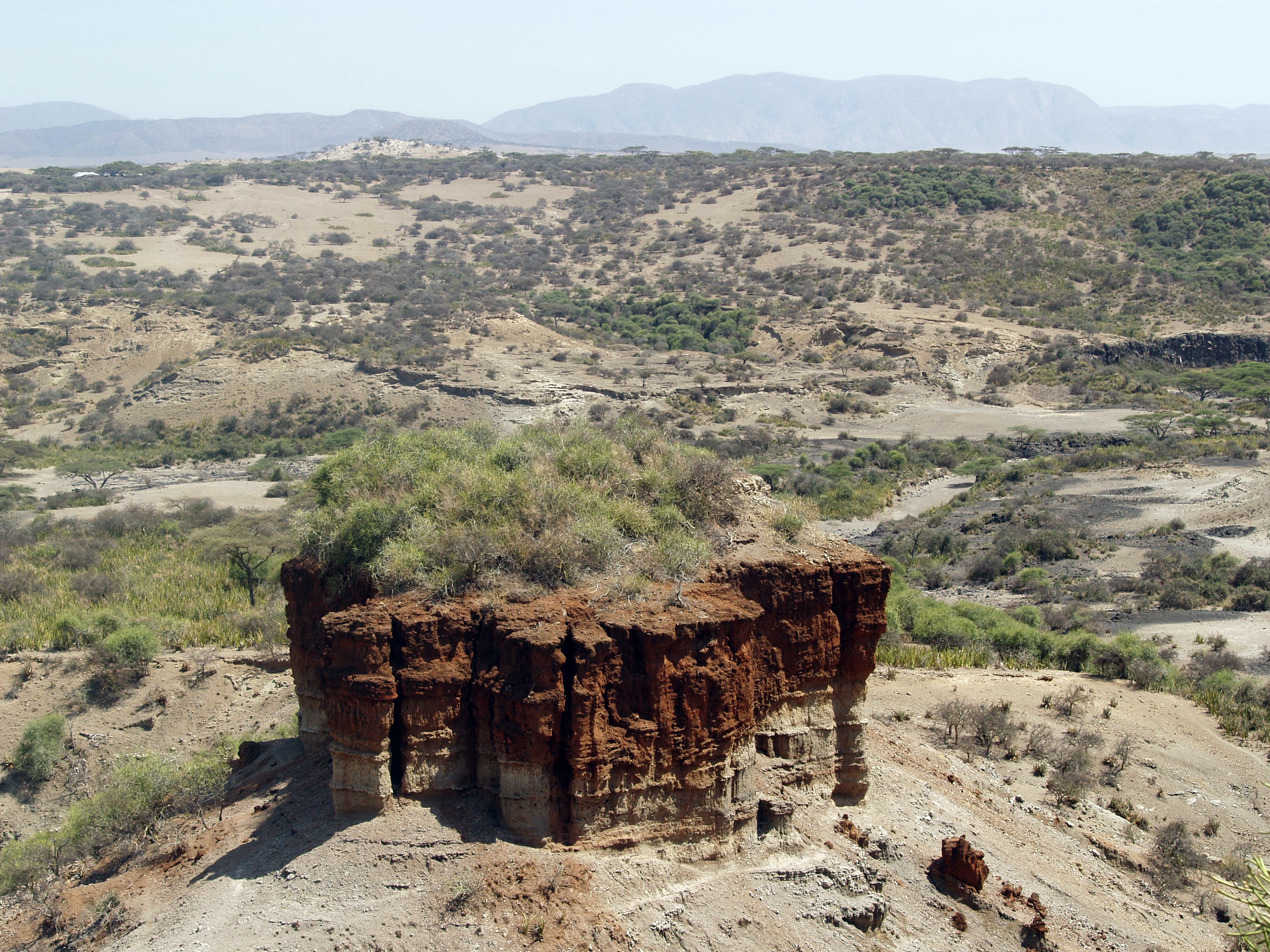
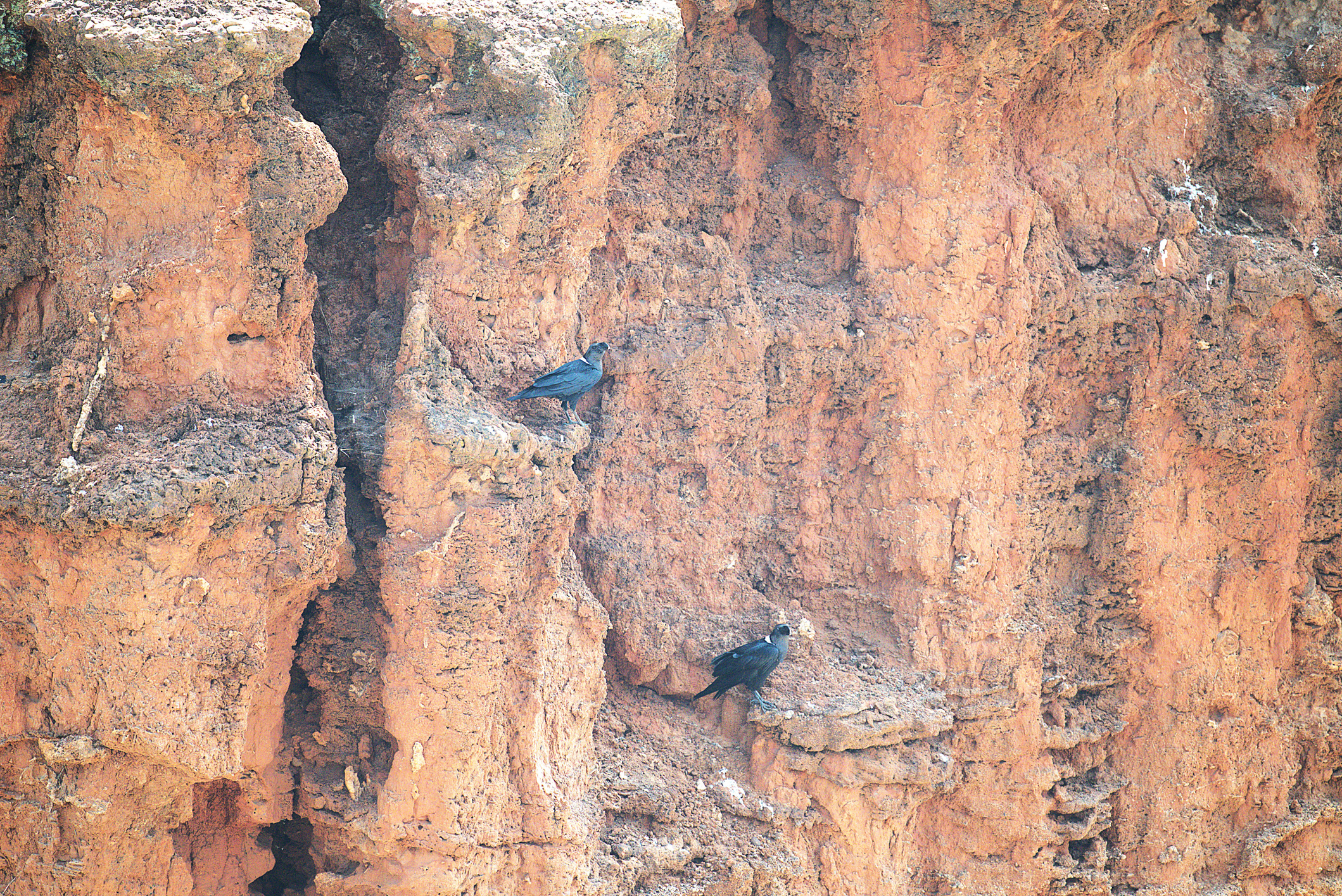
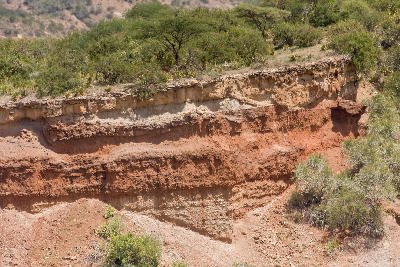
Eroded cliffs and exposed sedimentary layers at Olduvai Gorge, one of the world's most important archaeological sites in northern Tanzania.
Olduvai Gorge is one of the world's most important archaeological sites, renowned for its remarkable fossil discoveries that transformed our understanding of human evolution. Located within the Ngorongoro Conservation Area, it preserves millions of years of geological history and is widely regarded as the "Cradle of Humankind."
-2.97644, 35.33789
Gallery
Quick Facts
Access
Roadside / Step-out
0–5 min
Elevation Gain
0 m
Best Light
Low-angle light reveals the textures and layered geology of the gorge while adding depth to the surrounding volcanic landscape.
Why This Light
Season
Year-Round Stable
Olduvai Gorge can be visited throughout the year, with dry-season conditions providing clearer views across the exposed geological layers. Seasonal rainfall briefly greens the surrounding plains but does not significantly affect the visitor experience.
Crowds
Usually Quiet
Restrictions
Access is by road via the Ngorongoro Conservation Area. Visitors explore the museum and designated viewpoints, with guided walks into parts of the gorge available at selected times.