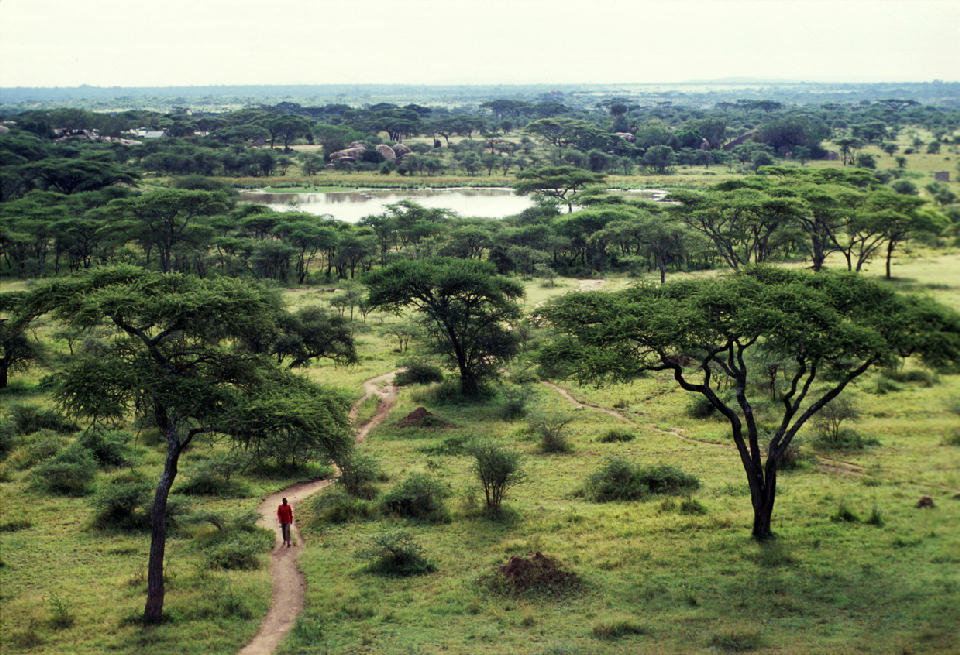
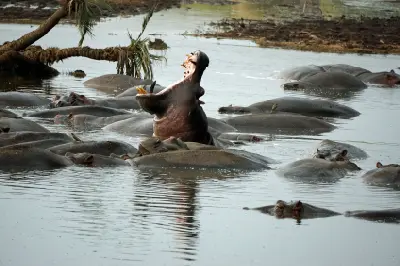
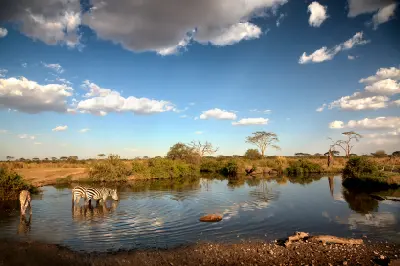
Acacia woodlands and seasonal waterholes define the landscape of Seronera Valley in central Serengeti National Park.
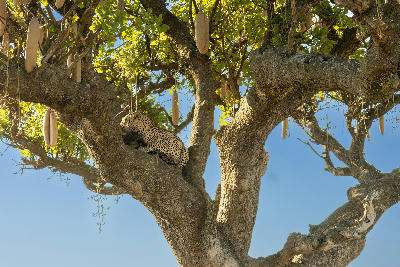
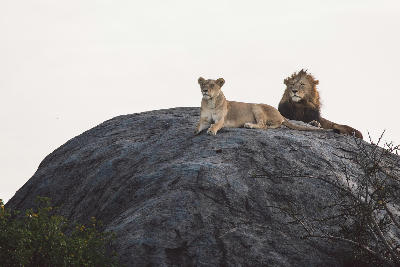
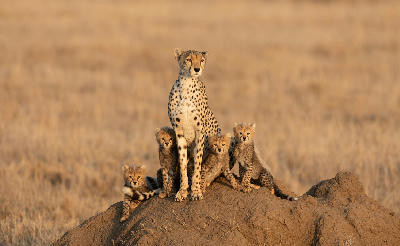
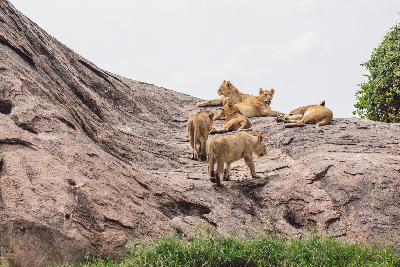
Seronera Valley is the wildlife-rich heart of Serengeti National Park and one of Africa's premier safari destinations. Renowned for its permanent water, open savanna and distinctive granite kopjes, it supports exceptional concentrations of resident wildlife throughout the year. The valley is particularly famous for its abundant lions, leopards and cheetahs, making it one of the best places in the Serengeti for reliable big-cat sightings.
-2.44672, 34.81909
Gallery
Quick Facts
Access
Roadside / Step-out
0–5 min
Elevation Gain
0 m
Best Light
Morning and evening light reveal texture across the grasslands and kopjes, while soft low-angle light brings out detail in wildlife and landscapes.
Why This Light
Season
Year-Round Stable
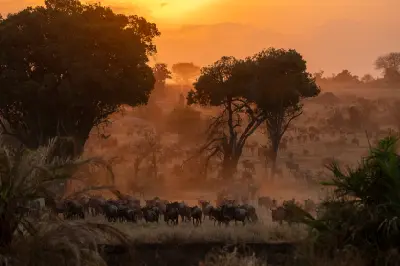
Permanent water and resident wildlife make Seronera one of the Serengeti's most reliable safari destinations throughout the year. Seasonal migration herds pass through at certain times, but exceptional predator sightings are possible in every season.
Crowds
Often Busy
Restrictions
Access is by registered safari vehicle via the Serengeti's network of game-drive tracks. Vehicles must remain on designated roads and all park regulations must be followed.