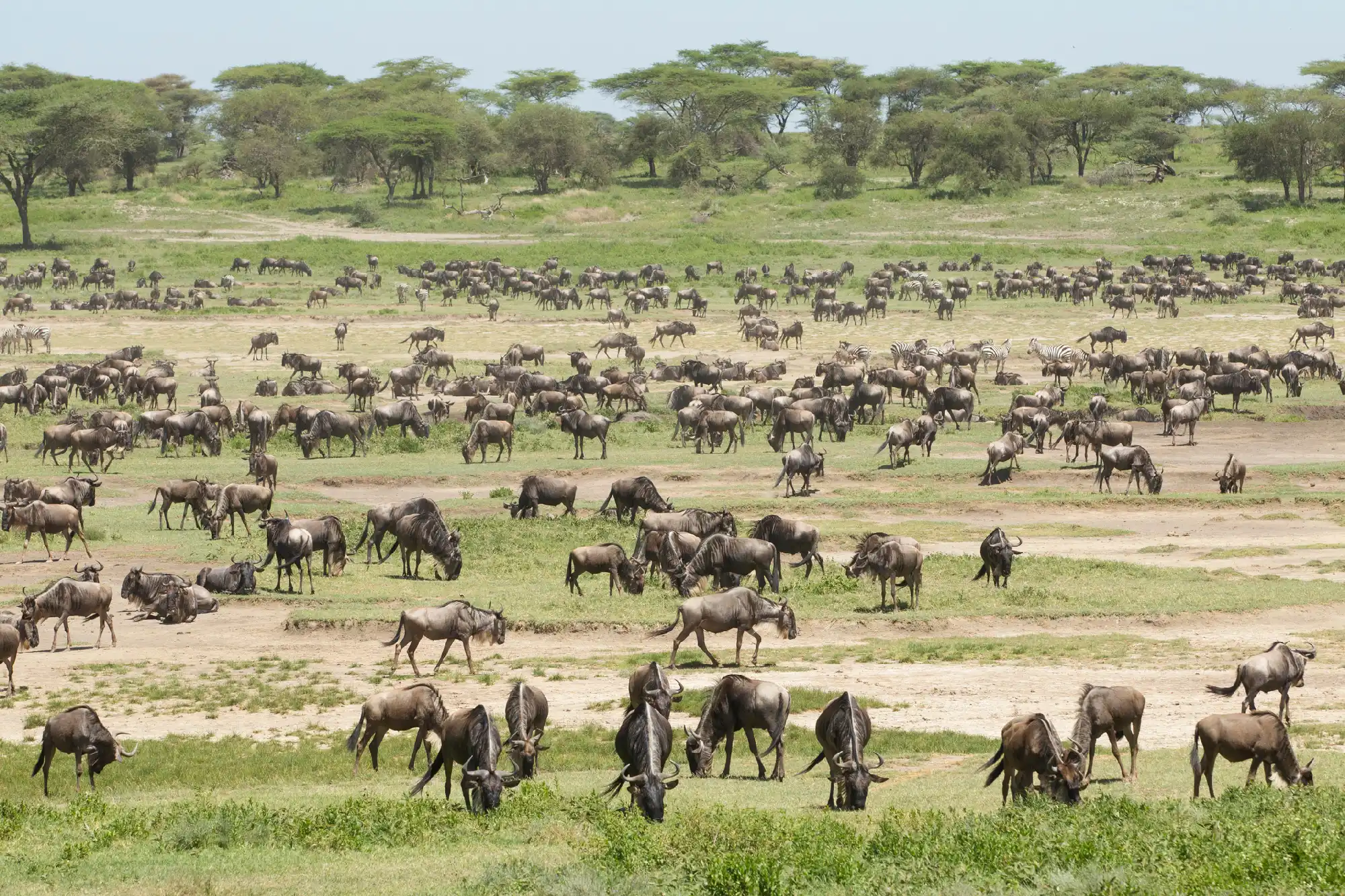
Thousands of wildebeest gather across the Ndutu Plains during the Great Migration calving season in northern Tanzania.
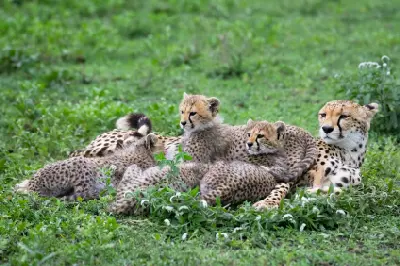
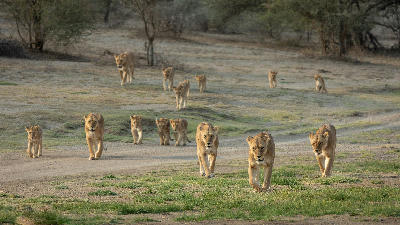
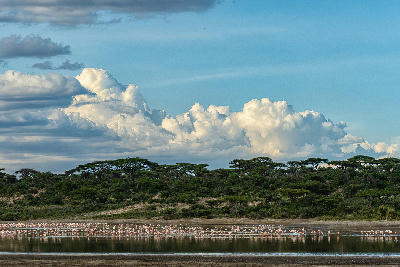
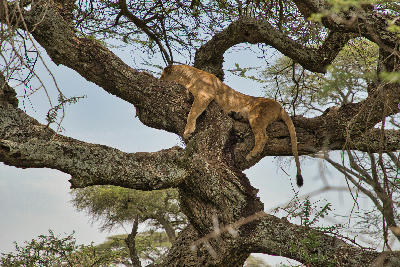
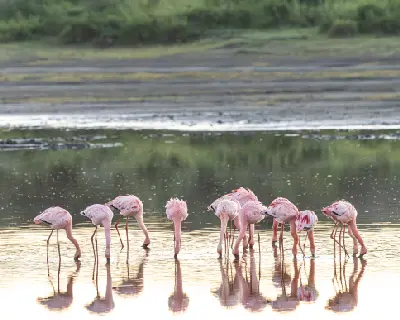
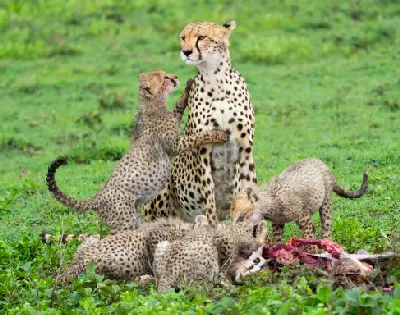
Ndutu Plains is one of Africa's greatest wildlife photography destinations, renowned for the Great Migration calving season when hundreds of thousands of wildebeest gather across its vast grasslands. Located within the Ngorongoro Conservation Area, it offers exceptional predator action and some of Tanzania's most spectacular safari experiences.
-3.00287, 34.99740
Gallery
Quick Facts
Access
Roadside / Step-out
0–5 min
Elevation Gain
0 m
Best Light
Morning light adds depth across the open plains, while overcast skies soften contrast during fast-moving predator encounters.
Why This Light
Season
Seasonally Distinct
Between December and March, the Great Migration arrives at Ndutu Plains for the annual calving season, attracting exceptional concentrations of predators. Outside this period, wildlife disperses across the wider Serengeti ecosystem, creating a quieter but still rewarding safari destination.
Crowds
Often Busy
Restrictions
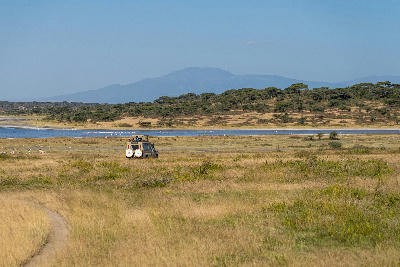
Access is by 4×4 safari vehicle on an extensive network of unsealed game-drive tracks. Conditions vary with seasonal rainfall, and wildlife movements determine the best photographic locations.