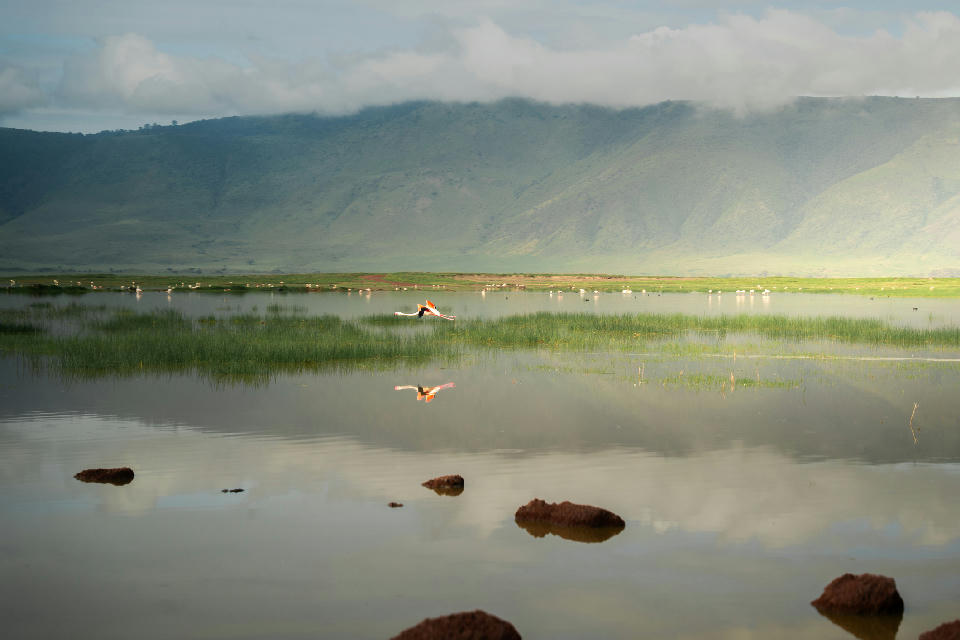
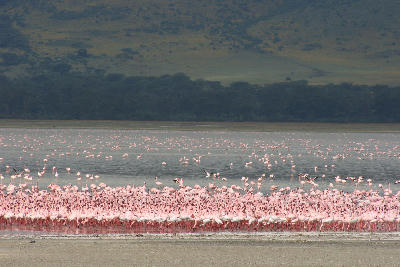
Flamingo flying above Lake Magadi in Ngorongoro Crater, Tanzania
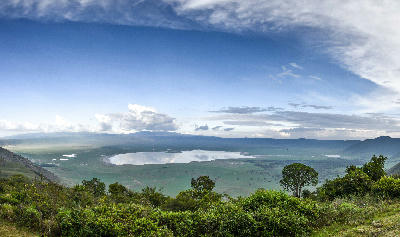
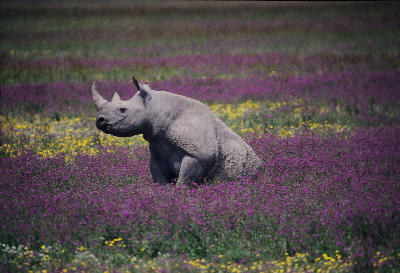
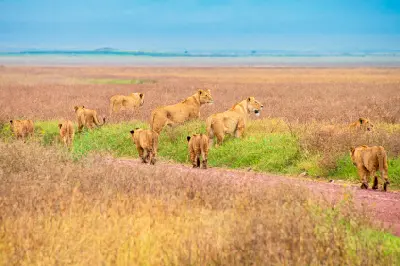
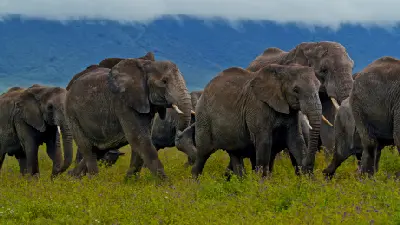
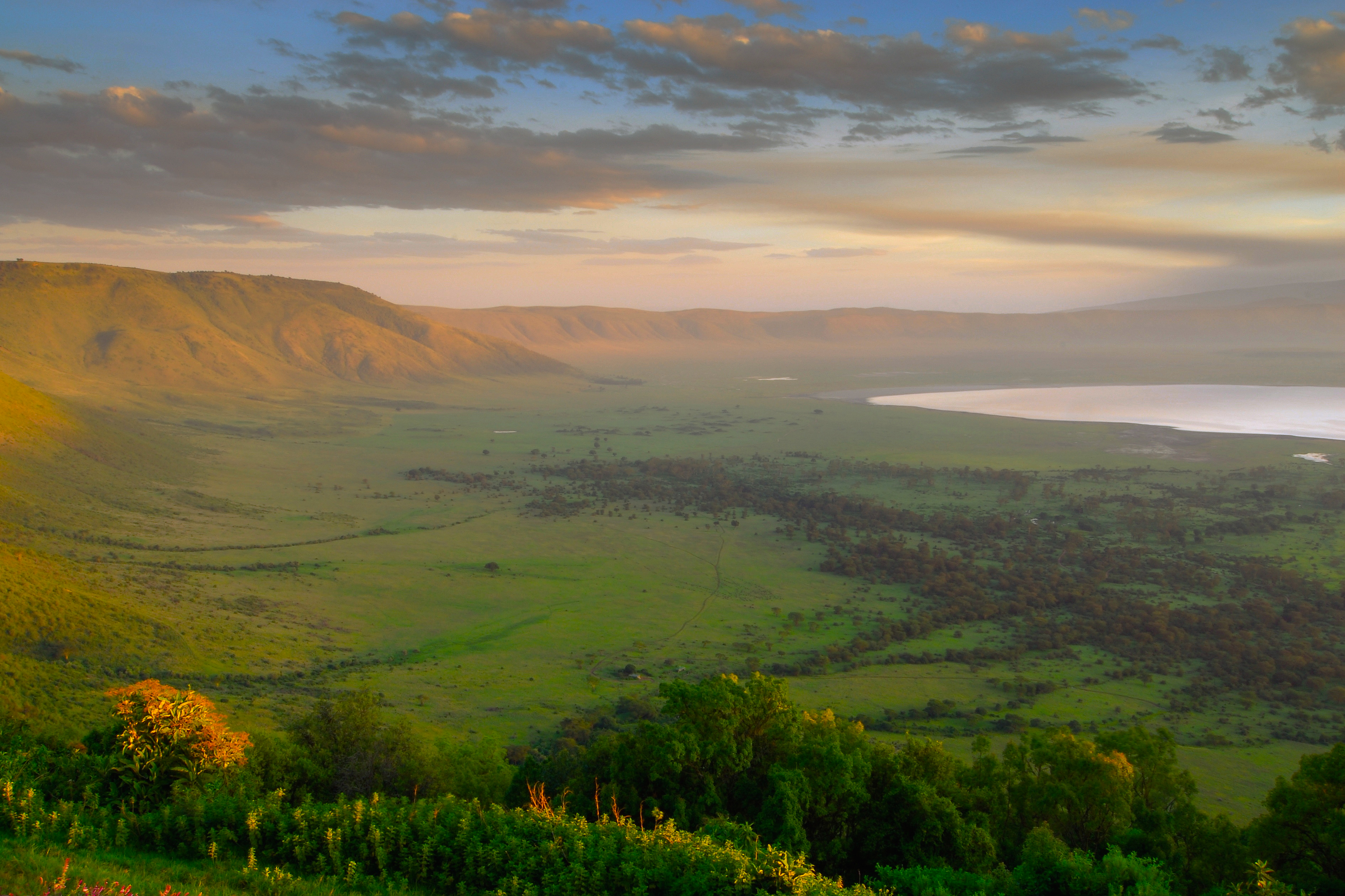
Ngorongoro Crater is the world's largest intact volcanic caldera and one of Africa's most extraordinary wildlife destinations. Formed when a giant volcano collapsed millions of years ago, its fertile crater floor supports exceptional concentrations of wildlife within a spectacular natural amphitheatre. It is recognised as one of Tanzania's most iconic landscapes and a UNESCO World Heritage Site.
-3.17663, 35.57881
Gallery
Quick Facts
Access
Roadside / Step-out
0–5 min
Elevation Gain
0 m
Best Light
Low-angle light reveals the crater's dramatic contours while adding depth and texture to the grasslands, forests and wildlife below.
Why This Light
Season
Year-Round Stable
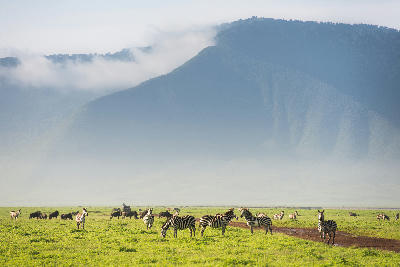
Ngorongoro Crater offers exceptional wildlife viewing throughout the year, with resident populations of large mammals remaining within the caldera. Seasonal rainfall transforms the grasslands and attracts migratory birds, but the crater's unique landscape and abundant wildlife make it rewarding in every season.
Crowds
Often Busy
Restrictions
Access is by 4×4 safari vehicle via designated crater descent roads. Visitor numbers are controlled, and vehicles must remain on established tracks within the crater.