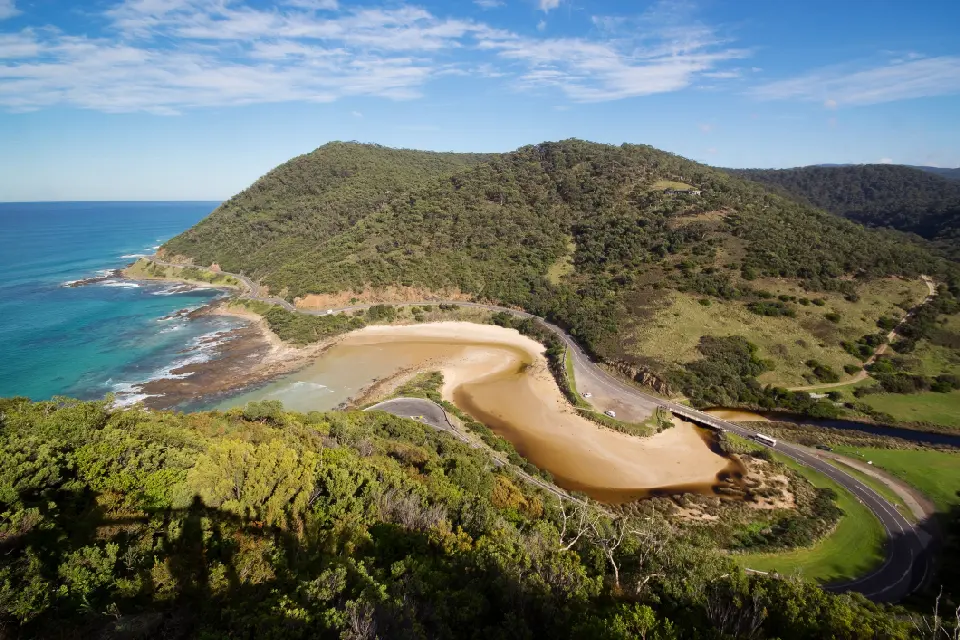
Great Ocean Road winding along the coast near Lorne, Victoria, Australia.
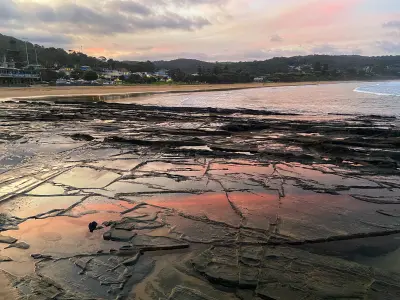
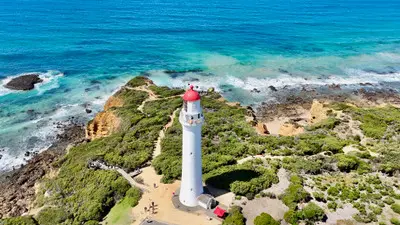
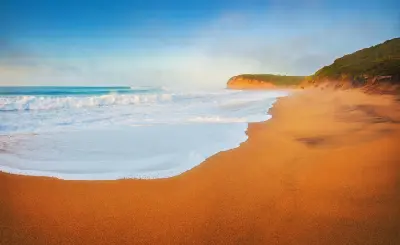
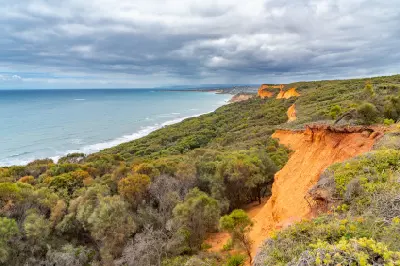
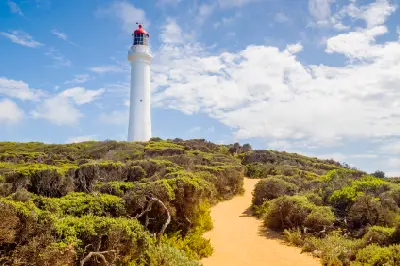
Surf Coast is a coastal landscape system forming the eastern section of Victoria's Great Ocean Road, defined by surf beaches, rocky headlands, forested hills, and an increasingly rugged Southern Ocean shoreline. From Bells Beach towards Aireys Inlet and Lorne, the coast marks the transition from relatively open beaches to the steep terrain of the eastern Otway Ranges. The terrain alternates between broad surf beaches, sandstone and limestone cliffs, rocky reefs, sheltered bays, and elevated coastal slopes. Bells Beach represents the exposed ocean edge, Split Point Lighthouse occupies a prominent headland at Aireys Inlet, while around Lorne the forested ranges descend sharply towards the sea and the Great Ocean Road follows the narrow margin between them. Ocean swell, coastal weather, and changing elevation shape the area's visual character. Breaking waves and backlit spray dominate exposed shores, while elevated viewpoints around Lorne reveal sweeping relationships between road, forest, headlands, beaches, and open water.
Gallery
Key POIs in Surf Coast
Nearby Places
View all on mapErskine Falls
water feature — 23.8 km
Great Ocean Road & Victorian Coast
Beauchamp Falls
water feature — 54.4 km
Great Ocean Road & Victorian Coast
Hopetoun Falls
water feature — 58.7 km
Great Ocean Road & Victorian Coast
Otways & Cape Otway
area district — 59.1 km
Great Ocean Road & Victorian Coast
Triplet Falls
water feature — 64.6 km
Great Ocean Road & Victorian Coast
Maits Rest
landmark — 65.2 km
Great Ocean Road & Victorian Coast
Aire River
water feature — 65.7 km
Great Ocean Road & Victorian Coast
Cape Otway
landmark — 75.2 km
Great Ocean Road & Victorian Coast
Overview
Surf Coast is structured around the meeting of the Southern Ocean and the eastern foothills of the Otway Ranges. The coastline becomes progressively more enclosed and mountainous westward, shifting from broad beaches and low headlands around Bells Beach to steeper forested slopes, rocky bays, and winding coastal roads approaching Lorne. Each location reveals a different expression of this transition. Bells Beach places powerful ocean swell against cliffs and reefs, while Split Point Lighthouse provides a strong architectural landmark above the exposed coast at Aireys Inlet. Lorne introduces the meeting of settlement, beach, forest, and mountain, and Teddy's Lookout reveals the larger geography as the Great Ocean Road curves between steep wooded slopes and the shoreline. The visual structure of the region is defined by the repeated contrast between ocean, headland, road, and forest. Lower coastal positions emphasise surf, reefs, beaches, and rock platforms, while elevated viewpoints compress successive ridges and bays into layered compositions. Morning and evening light, breaking surf, sea mist, cloud, and rapidly changing Southern Ocean weather continually alter the coastline's atmosphere.
Key photography subjects
- Bells Beach, breaking surf, and exposed reef systems
- Split Point Lighthouse and Aireys Inlet headlands
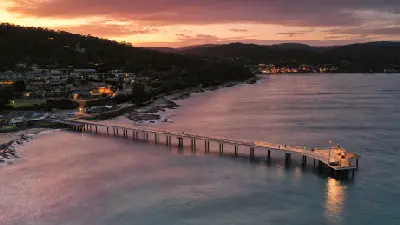
- Lorne beaches, pier, and forest-backed coastal settlement
- Teddy's Lookout and elevated Great Ocean Road compositions
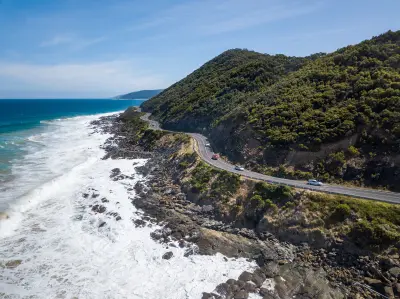
- Winding coastal road beneath forested Otway slopes
- Rocky reefs, headlands, bays, and shoreline textures
- Backlit spray, sea mist, storm light, and changing ocean weather
Workshops in Surf Coast
No upcoming workshops scheduled for Surf Coast at this time.
Check back soon or explore other destinations.