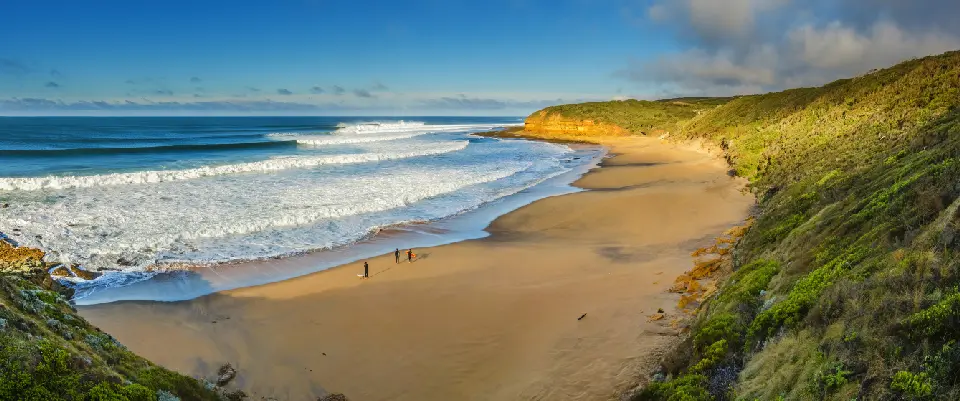
Bells Beach and its famous surf beneath the cliffs of Victoria’s Surf Coast.
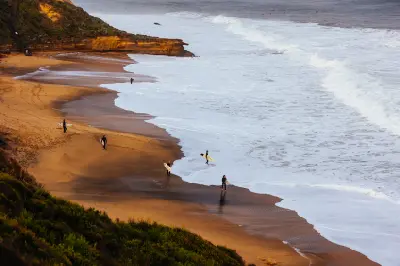
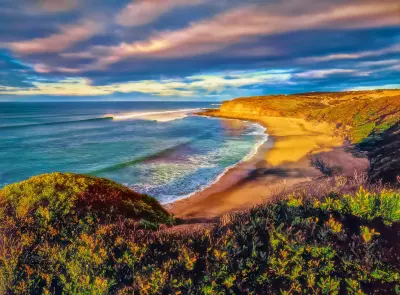
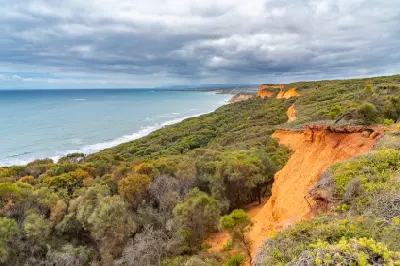
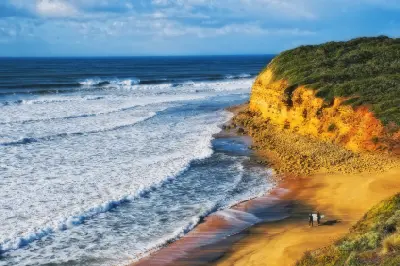
Bells Beach is one of Australia's most famous surf beaches, set beneath high cliffs on Victoria's Surf Coast. Powerful Southern Ocean swells break across the exposed reef, drawing surfers and spectators throughout the year. The combination of surfing action, rugged cliffs and sweeping ocean views gives Bells Beach strong sporting and coastal-photography appeal.
-38.37671, 144.25195
Gallery

Quick Facts
Access
Short Walk
5–15 min
Elevation Gain
30 m
Best Light
Low-angle light defines the cliffs and breaking waves, while the open coastline handles contrast well across ocean, sky and exposed rock.
Why This Light
Season
Seasonally Distinct
Autumn and winter generally bring larger, more consistent swells and dramatic ocean conditions. Summer offers longer daylight and calmer weather, while spring can bring rapidly changing coastal conditions.
Crowds
Often Busy
Restrictions
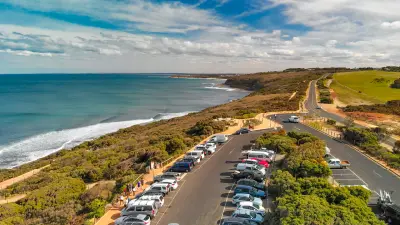
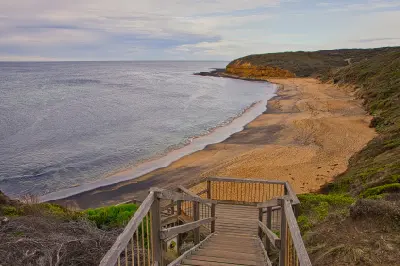
Bells Beach is reached by road from the Great Ocean Road near Torquay, with parking above the coast. Established paths, stairs and viewing areas provide access to the beach and elevated views. Conditions at the water can be hazardous due to powerful surf, currents and exposed reef, and visitors should remain clear of unstable cliff edges.