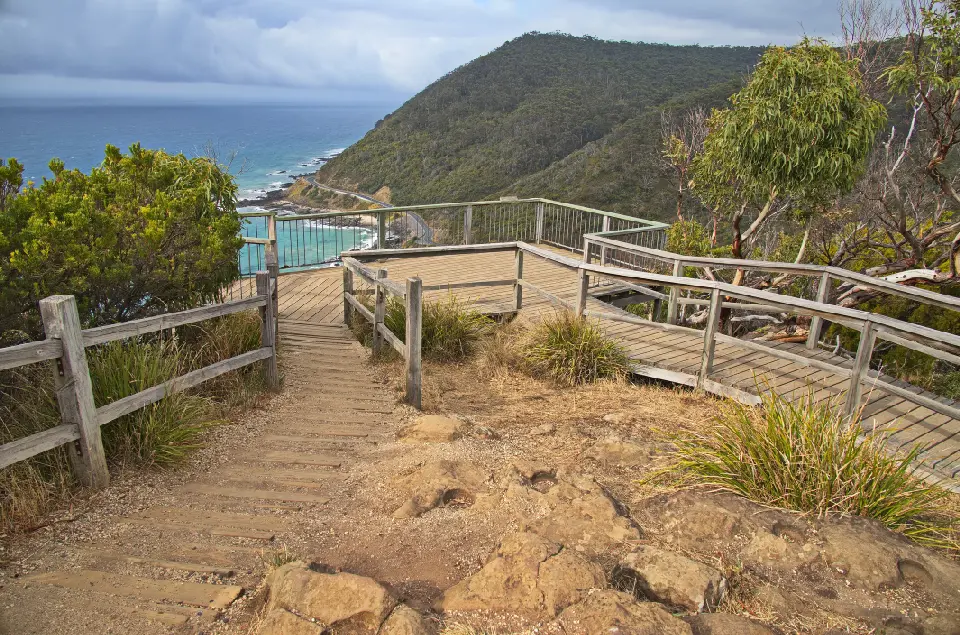
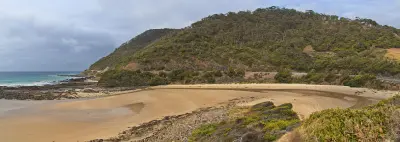
Teddy’s Lookout overlooking the Great Ocean Road at Lorne, Victoria, Australia.
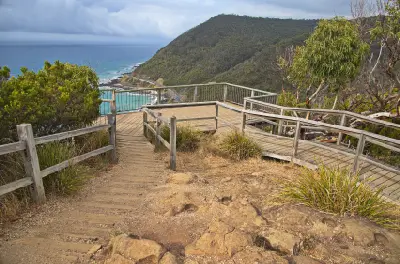
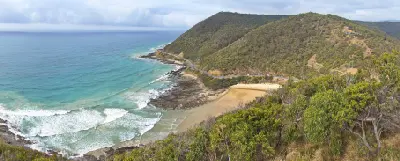
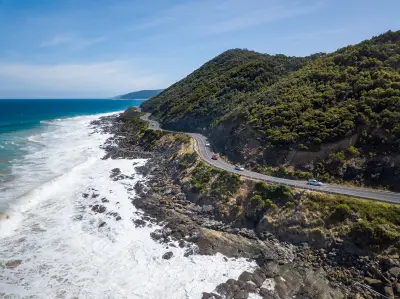
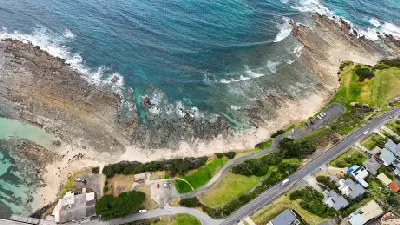
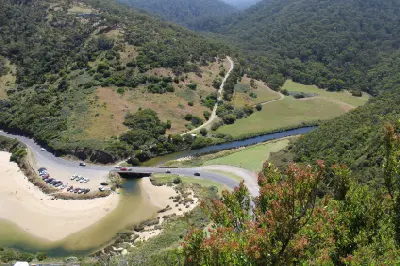
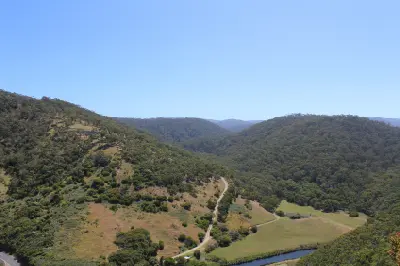
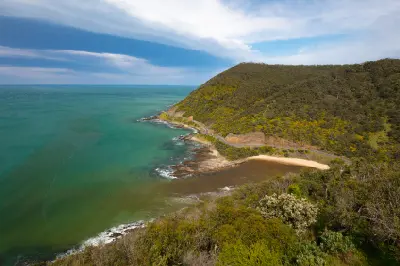
Teddy's Lookout is an elevated viewpoint above Lorne where the Great Ocean Road curves around the forested coastline towards the St George River. Steep Otway hills descend to the ocean, creating a layered view of road, beach, river and headlands. The elevation and sweeping perspective make it one of the Surf Coast's strongest panoramic photography locations.
-38.55424, 143.97895
Gallery
Quick Facts
Access
Short Walk
0–5 min
Elevation Gain
10 m
Best Light
Low-angle light separates the forested ridges and coastline, while the open viewpoint handles a broad range of brightness across land, sea and sky.
Why This Light
Season
Seasonally Distinct
Summer brings clearer conditions, longer daylight and busier viewpoints. Winter often produces dramatic seas and cloud, while autumn and spring can provide clearer atmospheric conditions and quieter periods.
Crowds
Often Busy
Restrictions
Teddy's Lookout is reached by road above Lorne, with parking close to the viewpoint. A short established path leads to viewing platforms overlooking the coast and St George River. Access is straightforward, although the elevated and exposed position can experience strong wind and rapidly changing coastal weather.