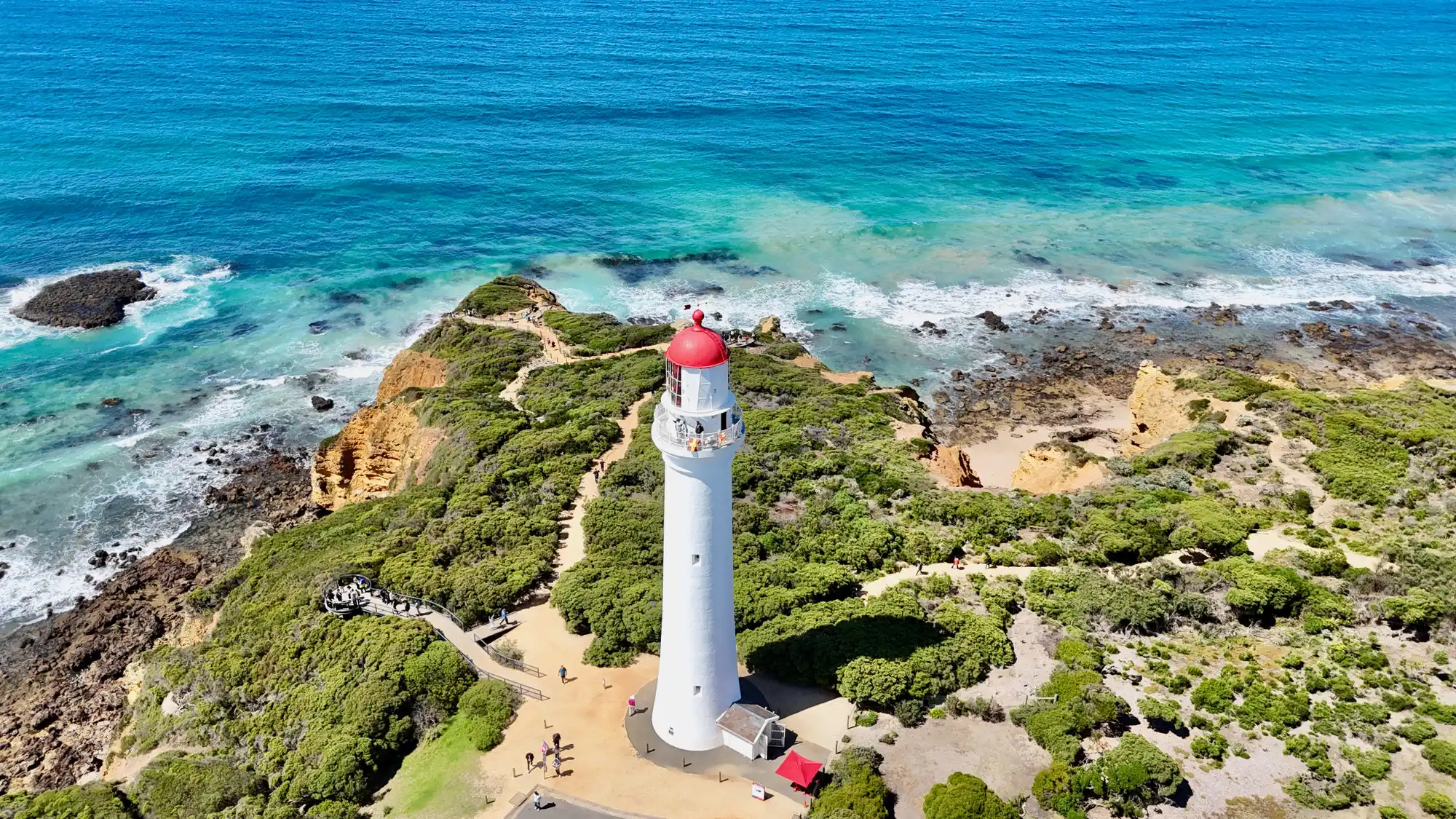
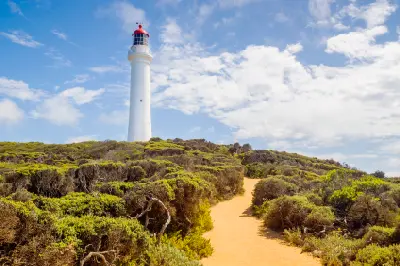
Split Point Lighthouse above the rugged coast at Aireys Inlet, Victoria, Australia.
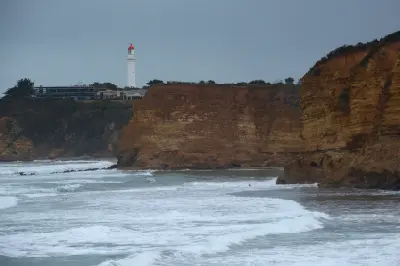
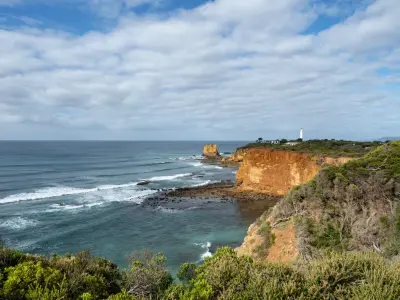
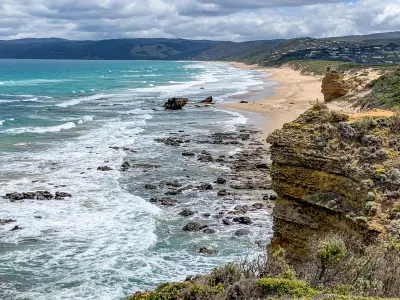
Split Point Lighthouse is a historic lighthouse standing above the cliffs at Aireys Inlet on Victoria's Surf Coast. The white tower overlooks a rugged coastline of rocky headlands, beaches and offshore formations exposed to the Southern Ocean. Its distinctive architecture and elevated coastal setting make it one of the most recognisable landmarks along the eastern Great Ocean Road.
-38.46800, 144.10447
Gallery
Quick Facts
Access
Short Walk
5–15 min
Elevation Gain
20 m
Best Light
Low-angle light defines the lighthouse and cliffs, while the open coastal setting handles contrast well across the tower, ocean and sky.
Why This Light
Season
Seasonally Distinct
Summer brings longer daylight and generally calmer coastal conditions. Winter produces stronger seas and dramatic skies, while autumn and spring often combine changing weather with fewer visitors.
Crowds
Often Busy
Restrictions
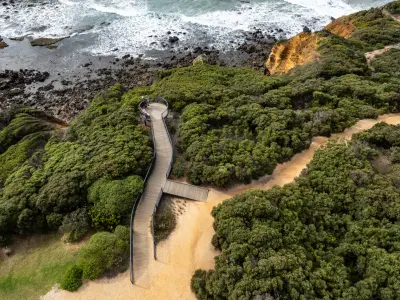
The lighthouse precinct is reached from Aireys Inlet by a short walk from nearby streets and parking areas. The surrounding paths and coastal viewpoints can be visited freely, while entry to the lighthouse and organised tower tours require admission and operate at scheduled times. Visitors should remain on established paths near exposed cliff edges.