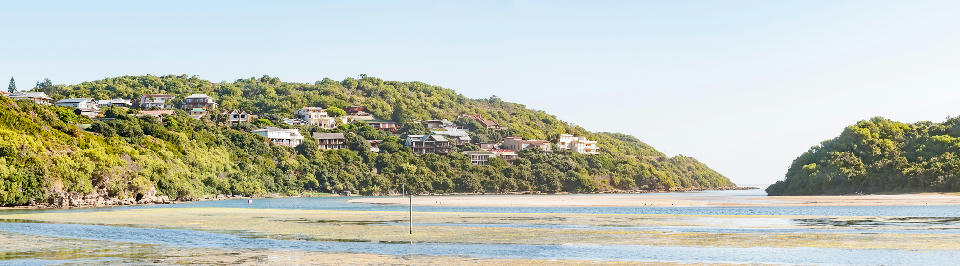
Panoramic view of the Swartvlei Estuary near Sedgefield, where tidal channels, sandbanks and lagoon waters connect the Swartvlei Lake system to the Indian Ocean.
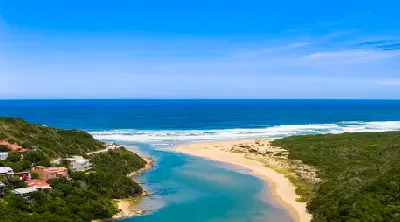
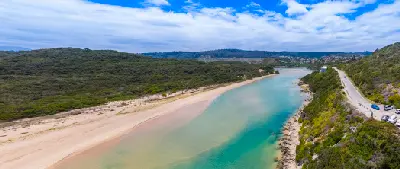
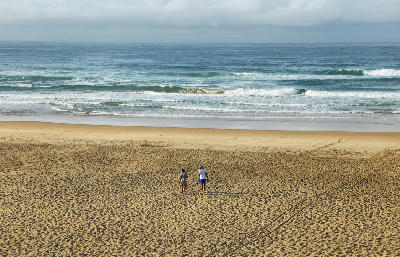
Sedgefield & Coastal Lakes form the wetland and estuarine heart of the central Garden Route, where interconnected lakes, reed-lined waterways, coastal dunes, estuaries, and sandy beaches create one of South Africa's most distinctive coastal landscapes. Positioned between Wilderness and Knysna, the region is defined by water. Rivers flow through extensive wetland systems before reaching the Indian Ocean, while dune fields, estuarine channels, lagoons, and low coastal hills combine to create a landscape shaped by constant interaction between freshwater, ocean currents, wind, and sediment. Unlike Wilderness, which is dominated by forested lake systems, or Knysna, which centres on a large lagoon and indigenous forests, Sedgefield is characterised by open wetland scenery, broad estuaries, dune landscapes, and interconnected coastal lakes that create a uniquely layered coastal environment.
Gallery
Key POIs in Sedgefield & Coastal Lakes
Nearby Places
View all on mapSerpentine River
water feature — 16.8 km
Garden Route
Touw River
water feature — 18.2 km
Garden Route
Wilderness Beach
beach — 19.3 km
Garden Route
Knysna Lagoon
water feature — 19.9 km
Garden Route
Touw River Estuary
water feature — 20.4 km
Garden Route
Brenton-on-Sea
beach — 21.5 km
Garden Route
Wilderness & Lakes
area district — 21.5 km
Garden Route
Map of Africa
landmark — 22.3 km
Garden Route
Overview
The Sedgefield region occupies a transition zone between the freshwater landscapes of Wilderness and the lagoon systems of Knysna. The landscape is formed by a network of estuaries, lakes, wetlands, dune fields, and coastal waterways that extend through the Goukamma and Swartvlei systems. Water dominates nearly every aspect of the scenery. Estuarine channels wind through reed beds, lake systems expand across low-lying basins, and coastal dunes create natural barriers between inland water bodies and the Indian Ocean. These interacting landscape elements generate a remarkable diversity of habitats and visual environments within a relatively compact area. Photographically, the region excels through layering, atmosphere, and reflection. Calm water surfaces create foreground interest, while reed beds, sandbanks, tidal channels, and distant coastal hills add depth and structure. Morning mist, changing tides, storm systems, and seasonal vegetation ensure that conditions remain dynamic throughout the year.
Key photography subjects
- Coastal lakes and estuarine waterways
- Reed beds and wetland ecosystems
- Sandbanks, tidal channels, and reflective water surfaces
- Coastal dune systems and lagoon environments
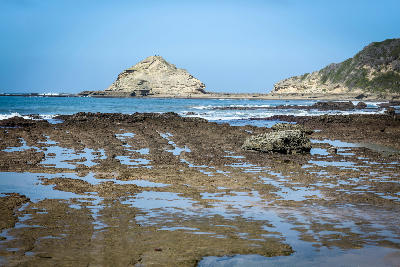
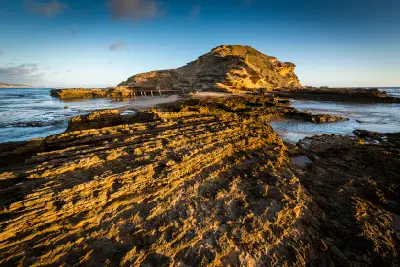
- Rocky shorelines and tidal pool landscapes
- Misty morning conditions over lakes and estuaries
- Birdlife within wetland habitats
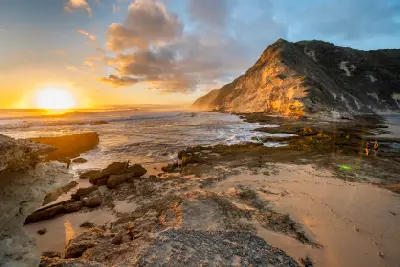
- Atmospheric coastal weather and changing light
Workshops in Sedgefield & Coastal Lakes
No upcoming workshops scheduled for Sedgefield & Coastal Lakes at this time.
Check back soon or explore other destinations.