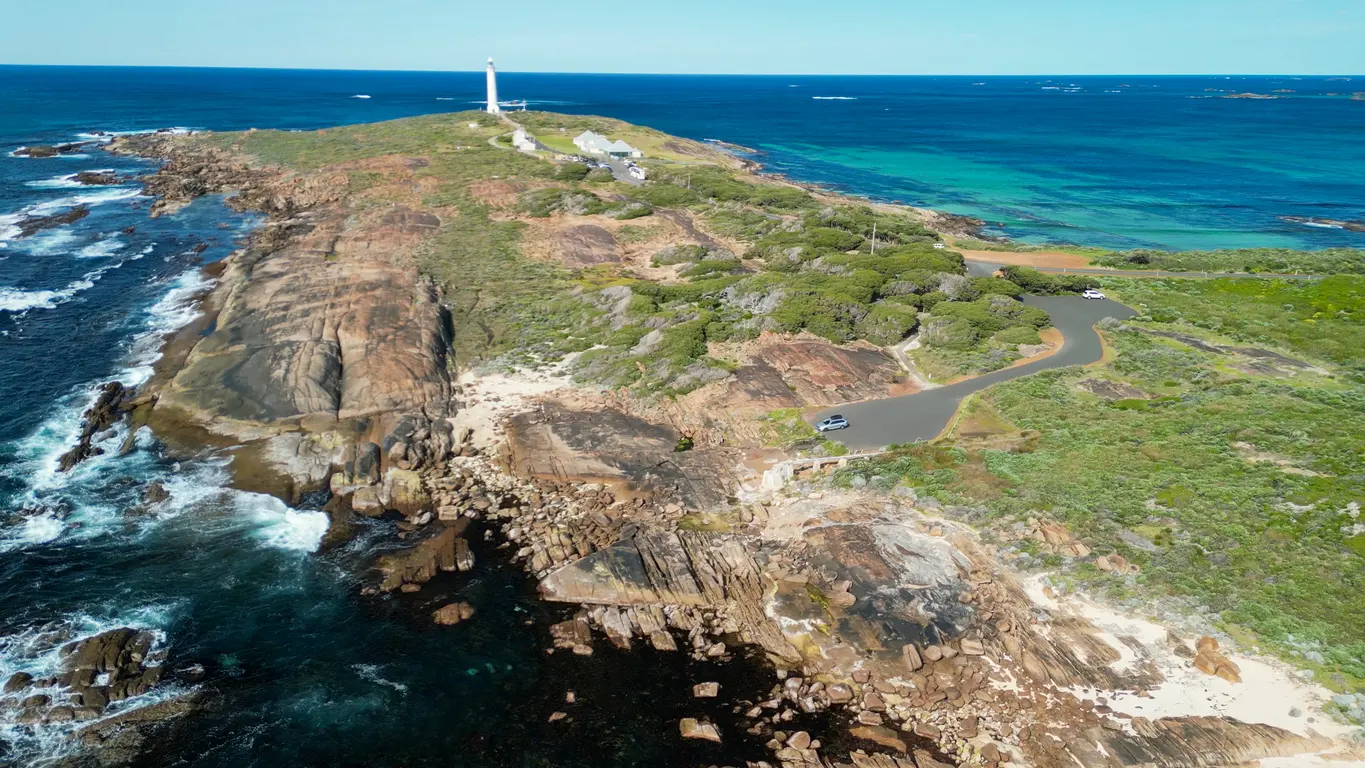
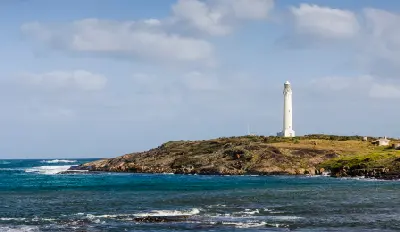
Cape Leeuwin Lighthouse at the southwestern tip of Australia, Western Australia.
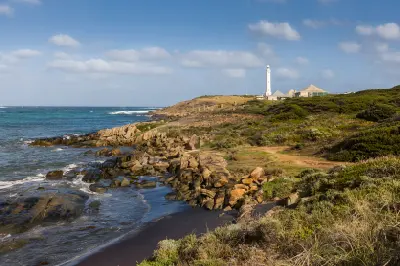
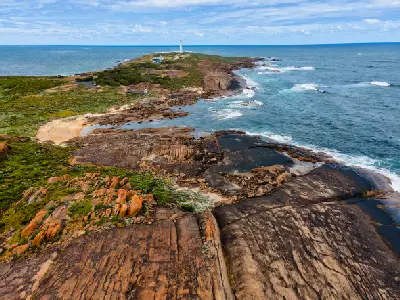
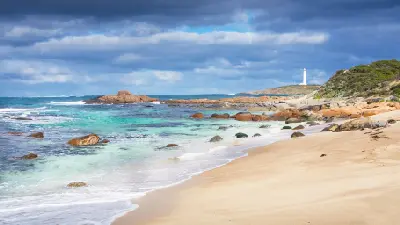
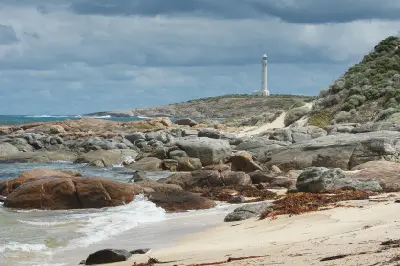
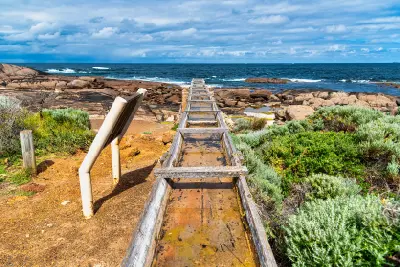
Cape Leeuwin is the southwestern tip of mainland Australia, where a historic lighthouse stands above a rugged coastline traditionally associated with the meeting of the Indian and Southern oceans. Exposed rock platforms, low coastal vegetation and open ocean surround the headland, with the lighthouse forming its dominant landmark. The combination of maritime architecture, rocky shoreline and expansive seascape provides opportunities for coastal, architectural and long-exposure photography.
-34.37676, 115.13608
Gallery
Quick Facts
Access
Short Walk
5–15 min
Elevation Gain
15 m
Best Light
Low-angle light defines the lighthouse and rocky headland, while directional light adds texture and depth across the exposed coastal landscape.
Why This Light
Season
Seasonally Distinct
Summer brings drier coastal vegetation, clearer skies and brighter colour across the exposed headland and surrounding ocean. Winter brings greener vegetation, larger swells and more changeable skies, with stronger weather patterns across the coastline.
Crowds
Often Busy
Restrictions
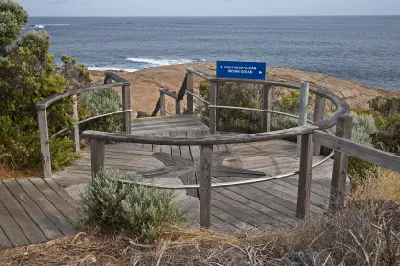
Cape Leeuwin is reached by sealed road south of Augusta, with parking close to the lighthouse precinct and surrounding headland. Entry to the lighthouse grounds and guided tower access require a fee, with opening and tour availability subject to current operating conditions. The coastline is exposed to strong winds and ocean conditions, and visitors should remain within designated visitor areas around cliffs and rock platforms.