01
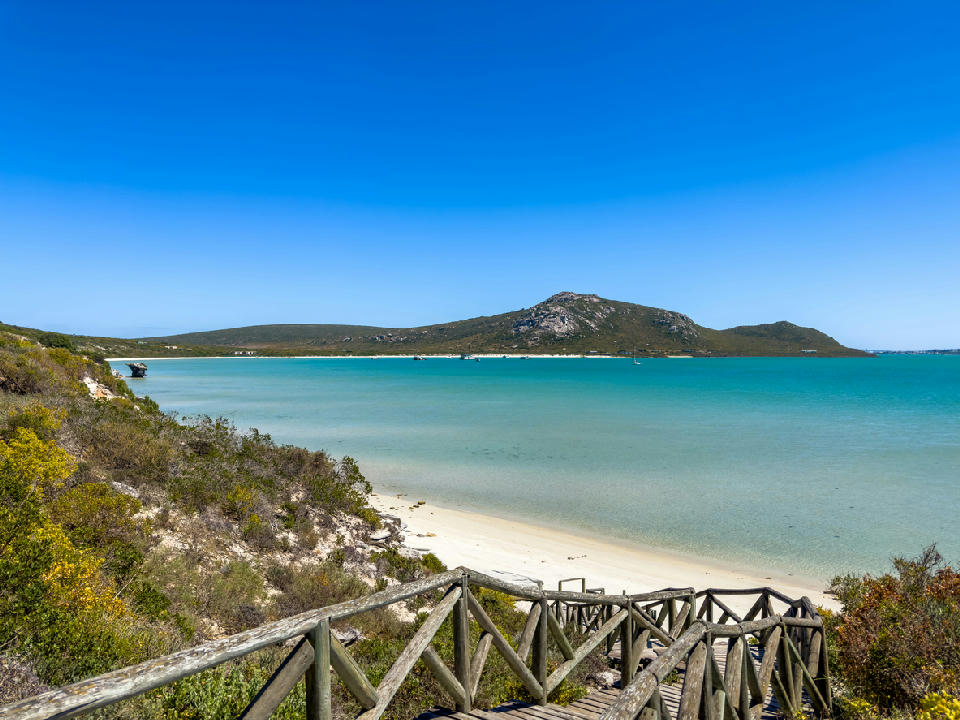
Turquoise waters and white sand beaches along Langebaan Lagoon in South Africa's West Coast National Park.
West Coast
The West Coast is a coastal landscape region along South Africa's Atlantic shoreline. The region is defined by lagoon systems, sandy beaches, fishing settlements, coastal wetlands, and rugged shoreline environments extending north from Cape Town.
The landscape includes the sheltered waters of Langebaan Lagoon, the dune-backed coastline of Yzerfontein, the fishing villages of Paternoster and St Helena Bay, and the wetland environments of Verlorenvlei. Together these systems create one of South Africa's most distinctive coastal regions.
Seasonal variation influences ocean conditions, wildflower displays, birdlife activity, and atmospheric clarity. The region is particularly known for soft coastal light, expansive horizons, and dramatic seasonal transformations during spring.
Geographic discovery
Explore West Coast by Area
Choose a part of the West Coast to discover its landscapes, photographic character, and locations.
Explore Areas in West Coast








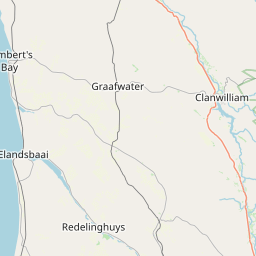
Elands Bay & Verlorenvlei
Lambert's Bay & Bird Island
Paternoster, Cape Columbine & St Helena Bay
West Coast National Park & Langebaan Lagoon
Yzerfontein & Sixteen Mile Beach
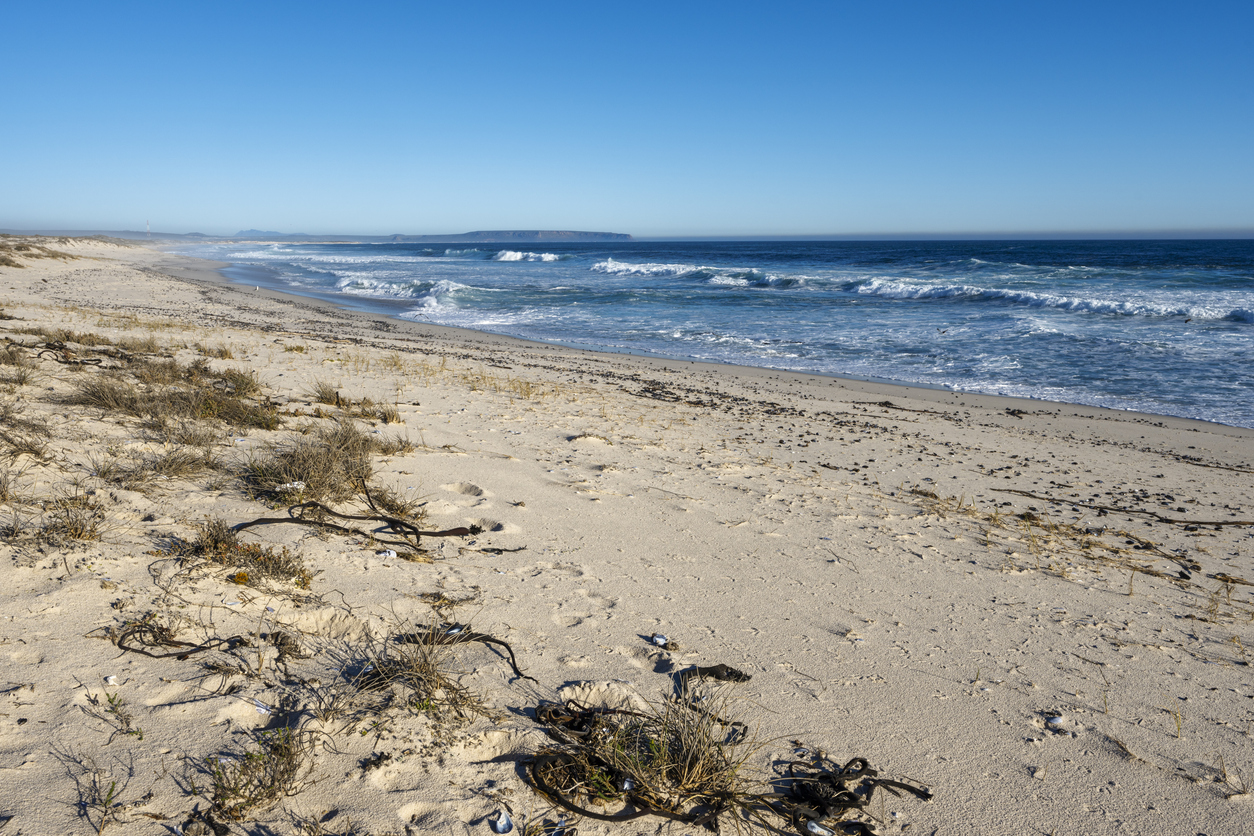
Elands Bay & Verlorenvlei
The region is structured around the Verlorenvlei wetland system and the surrounding coastal environments extending between Elands Bay and the Atlantic shoreline. Freshwater channels, reed beds, floodplains, open water, coastal dunes, sandy beaches, and rocky shoreline formations create a varied landscape that transitions between inland wetland habitats and exposed coastal scenery. Water plays a central role in shaping both the ecological and visual character of the region. Seasonal water levels, migratory bird activity, changing weather conditions, and shifting light continually alter the appearance of the landscape throughout the year. The contrast between reflective wetlands and surrounding dry terrain creates one of the most visually distinctive environments on the West Coast. Photographically, the region is defined by reflection, atmosphere, and environmental contrast. Wetlands provide reflective foregrounds and opportunities for wildlife photography, while dunes, shoreline formations, distant mountains, and open skies create structure within wider landscape compositions. Mist, seasonal vegetation, changing weather, and low-angle light contribute mood, texture, and depth across both wetland and coastal environments.
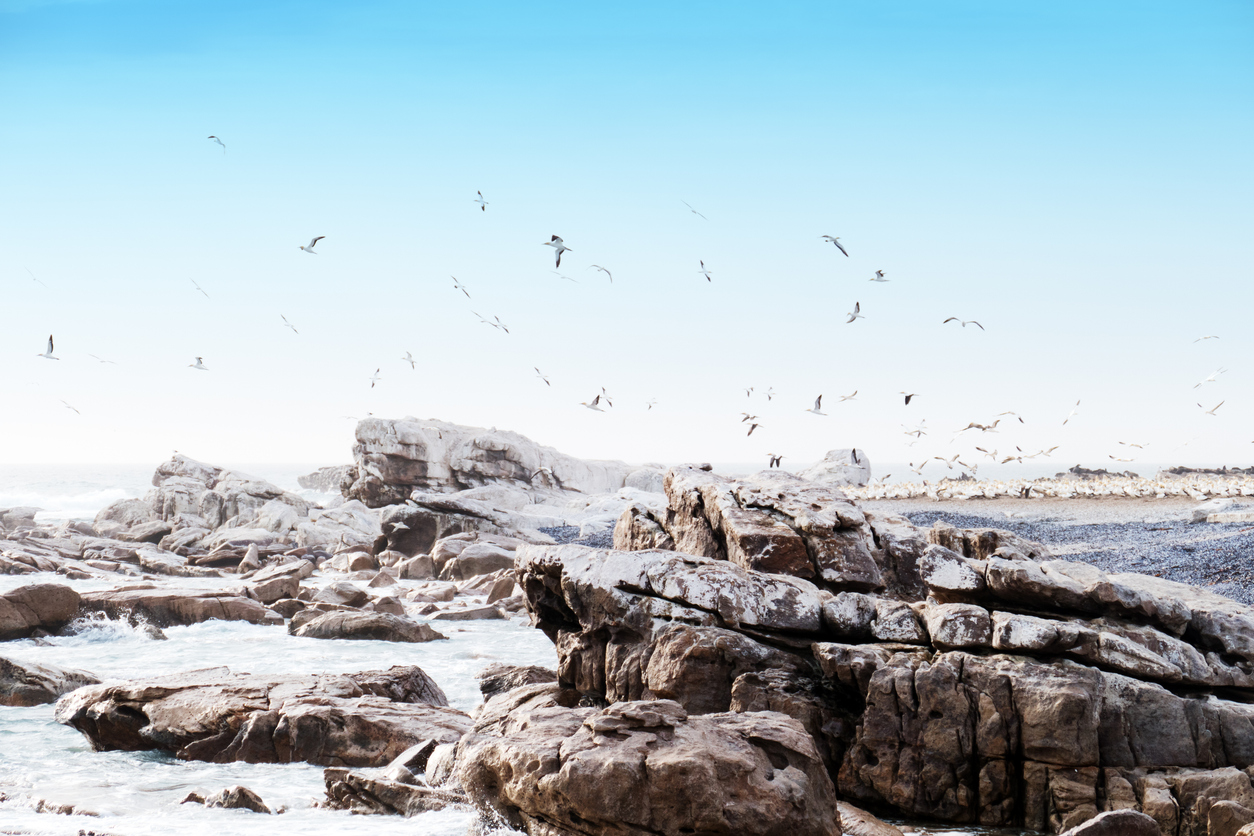
Lambert's Bay & Bird Island
The region is structured around a combination of offshore islands, rocky Atlantic shoreline, sheltered harbour environments, and productive marine ecosystems extending along the northern West Coast. Bird Island forms the focal point of the landscape, while surrounding coastal environments provide additional variety through fishing harbours, beaches, tidal platforms, and open ocean viewpoints. The Benguela Current plays a central role in shaping the character of the region. Nutrient-rich waters support abundant marine life, creating feeding opportunities for seabirds, marine mammals, and other wildlife. Seasonal weather systems, ocean conditions, and changing light continually influence both wildlife activity and the appearance of the coastline throughout the year. Photographically, the region is defined by wildlife, atmosphere, and coastal interaction. Large seabird colonies create opportunities for behavioural and action photography, while rocky shorelines, harbour environments, and offshore islands provide structure within wider landscape compositions. Ocean light, sea mist, dramatic weather, and constant bird movement contribute energy, texture, and visual interest across the coastal environment.
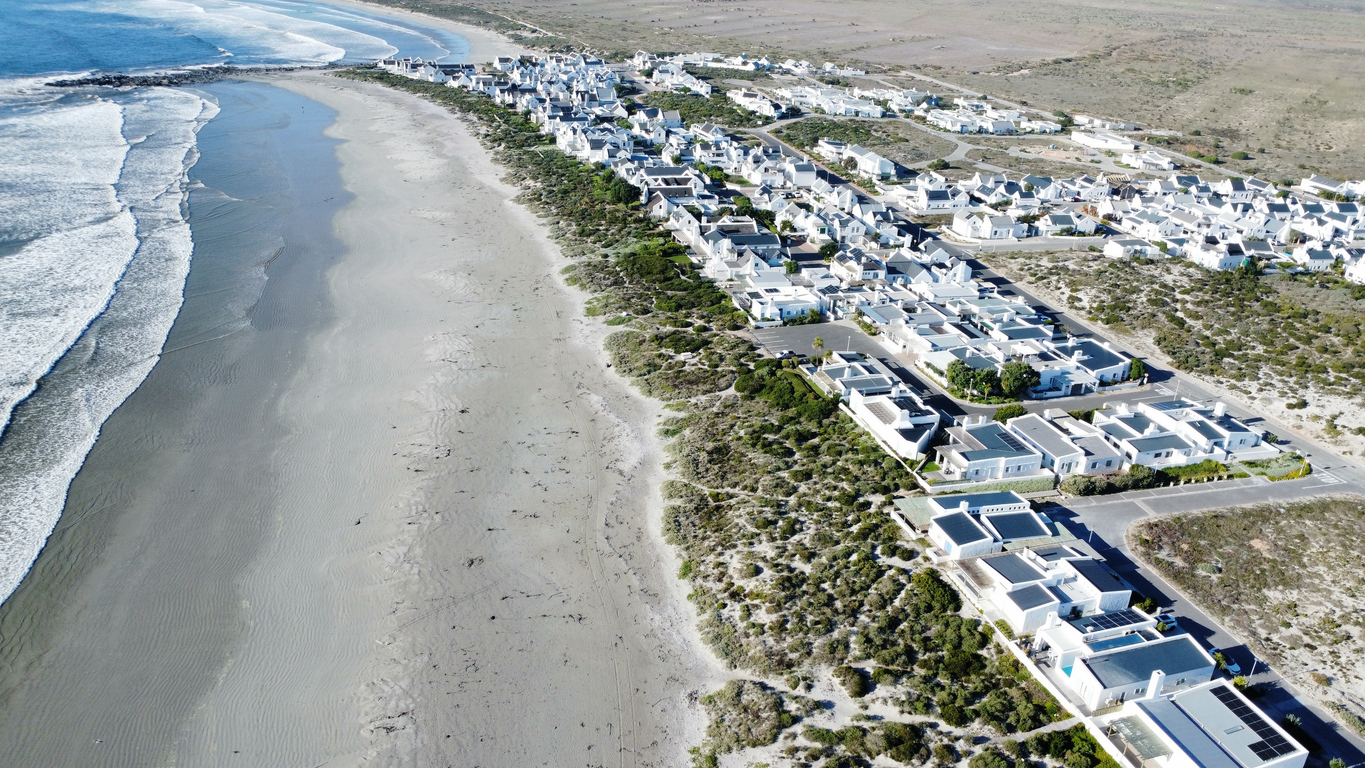
Paternoster, Cape Columbine & St Helena Bay
The region is structured around a series of interconnected coastal environments extending from Cape Columbine to St Helena Bay. Granite outcrops, rocky headlands, sheltered coves, sandy beaches, and open ocean viewpoints create a diverse coastal landscape with strong visual contrasts between land and sea. The coastline alternates between exposed Atlantic shorelines and protected bays, producing considerable variety within a relatively compact geographic area. Throughout the region, maritime influences dominate both the environment and visual character of the landscape. Working fishing harbours, traditional villages, and historic coastal landmarks provide focal points within broader seascapes, while changing weather systems and ocean conditions continually reshape the appearance of the coastline. Seasonal wildflowers often add further colour to surrounding coastal plains during spring. Photographically, the area is defined by texture, atmosphere, and coastal character. Fishing boats, harbours, granite formations, and whitewashed buildings create strong compositional subjects, while ocean swells, dramatic skies, sea mist, and low-angle light contribute mood and visual depth. The combination of cultural heritage and rugged Atlantic scenery makes the region one of the most distinctive photographic destinations on South Africa's West Coast.
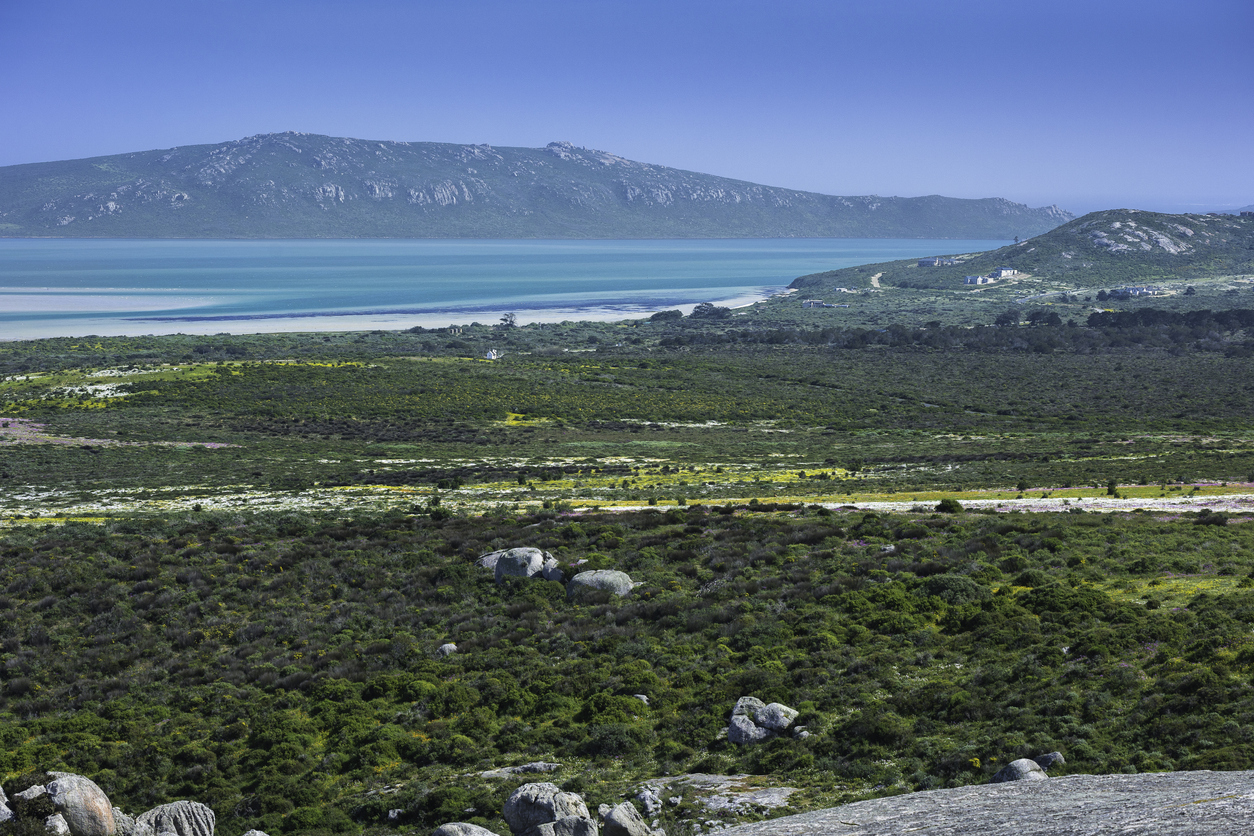
West Coast National Park & Langebaan Lagoon
The West Coast National Park landscape is organised around the Langebaan Lagoon, a large tidal water body enclosed by the surrounding coastline. Beaches, islands, sandbanks, wetlands, and low coastal ridges create a varied environment that differs significantly from the high cliffs and exposed shorelines found elsewhere along the Western Cape coast. Throughout the region, the relationship between land and water dominates the visual structure of the landscape. Broad tidal flats, sheltered bays, and coastal vegetation create layered compositions, while elevated viewpoints reveal the scale of the lagoon system and its surrounding ecological environments. Seasonal wildflowers introduce periods of intense colour across the surrounding plains and hills. Photographically, the area is defined by colour, reflection, atmosphere, and simplicity. Calm water surfaces create opportunities for minimalist compositions and reflective scenes, while changing weather systems, shifting light, tidal conditions, birdlife, and seasonal flowering displays provide variety throughout the year. The combination of marine, wetland, and terrestrial environments makes the region one of the most diverse photographic landscapes on South Africa's coastline.
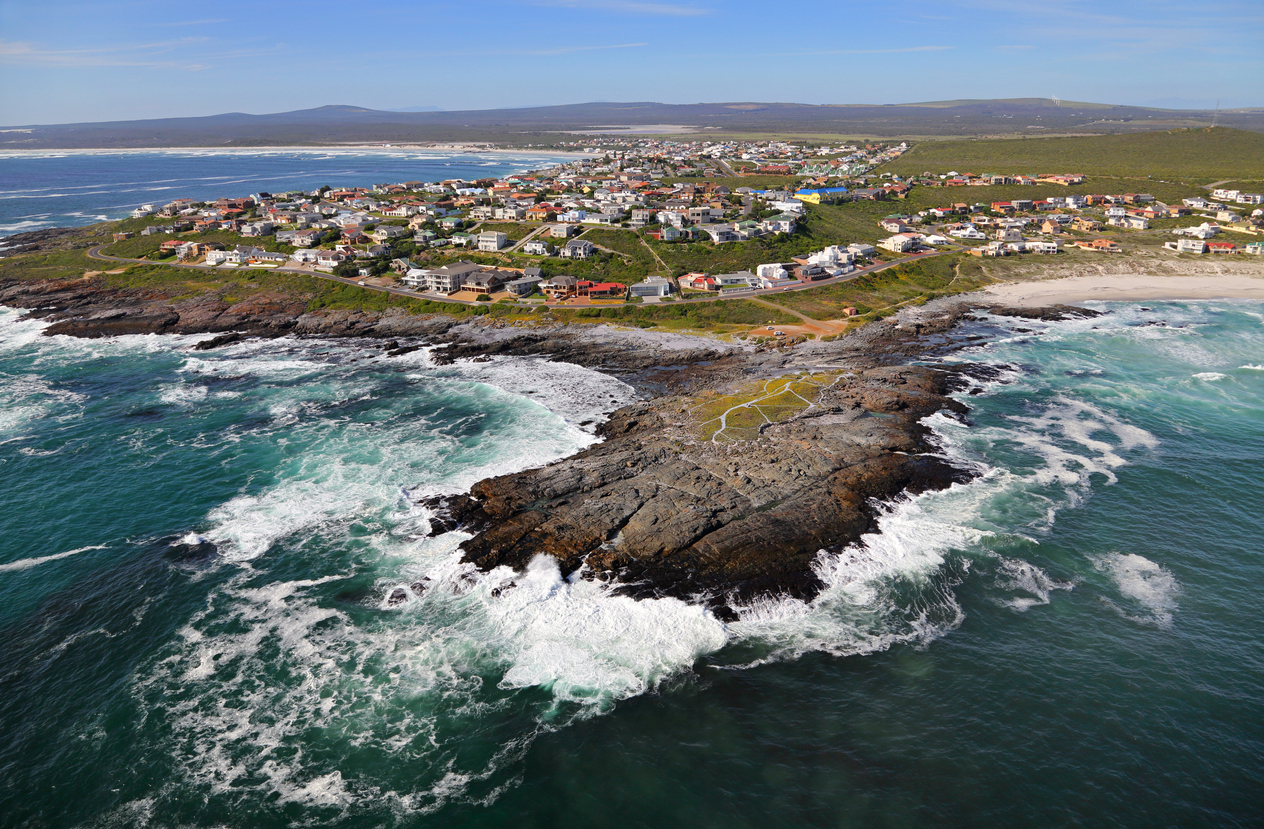
Yzerfontein & Sixteen Mile Beach
The region is structured around a continuous coastal system extending along the Atlantic shoreline between Yzerfontein and the southern reaches of the West Coast National Park. Broad sandy beaches form the dominant landscape feature, while low dune systems, rocky outcrops, and coastal vegetation provide texture and variation across the terrain. The coastline remains largely undeveloped outside the settlement areas, reinforcing the strong sense of space and isolation. Marine influences shape the character of the region throughout the year. Atlantic swells, coastal winds, sea mist, and changing weather systems continually alter the appearance of the shoreline. Seasonal wildflowers may transform sections of the surrounding coastal plain during spring, while winter storms create dramatic seascapes and atmospheric coastal conditions. Photographically, the region is defined by scale, simplicity, and coastal atmosphere. Long beaches create powerful leading lines and minimalist compositions, while dune systems, textured shoreline formations, and changing ocean conditions provide structure within wider scenes. Light plays a major role, with sunrise, sunset, sea mist, and shifting weather producing constantly changing colour, texture, and mood along the coastline.
Photographic journey
West Coast Photography Route
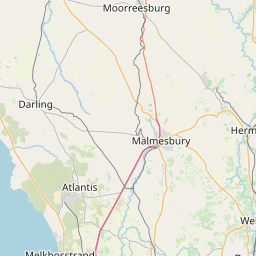
West Coast Photography Route · 23 stops
05
Geelbek
10
Postberg Wildflower Reserve
14
Paternoster
19
Elands Bay & Verlorenvlei
23
Bird Island







Overview
The West Coast is structured around a series of bays, lagoons, wetlands, beaches, and rocky shorelines extending along South Africa's Atlantic coast. The interaction between coastal geology, marine systems, and seasonal rainfall creates a landscape of exceptional environmental diversity.
The region contains some of South Africa's most important coastal ecosystems. Langebaan Lagoon forms the environmental centrepiece of the coastline, while wetlands such as Verlorenvlei support significant birdlife and seasonal ecological activity. Fishing settlements, dune systems, and offshore seabird colonies add further diversity throughout the region.
The visual structure of the West Coast is defined by open horizons, expansive shorelines, and changing coastal conditions. Light plays an important role, with ocean mist, seasonal wildflowers, and Atlantic weather systems shaping colour, texture, and atmosphere throughout the landscape.
Key Photography Subjects
- Coastal lagoons and reflective shoreline environments
- Atlantic beaches, dune systems, and open horizons
- Traditional fishing villages and working harbours
- Granite headlands and rugged coastal formations
- Seasonal wildflower landscapes and coastal fynbos
- Wetlands, birdlife, and estuarine ecosystems
- Atmospheric coastal light and changing weather systems
Gallery
Workshops in West Coast
No upcoming workshops scheduled for West Coast at this time.
Check back soon or explore other destinations.