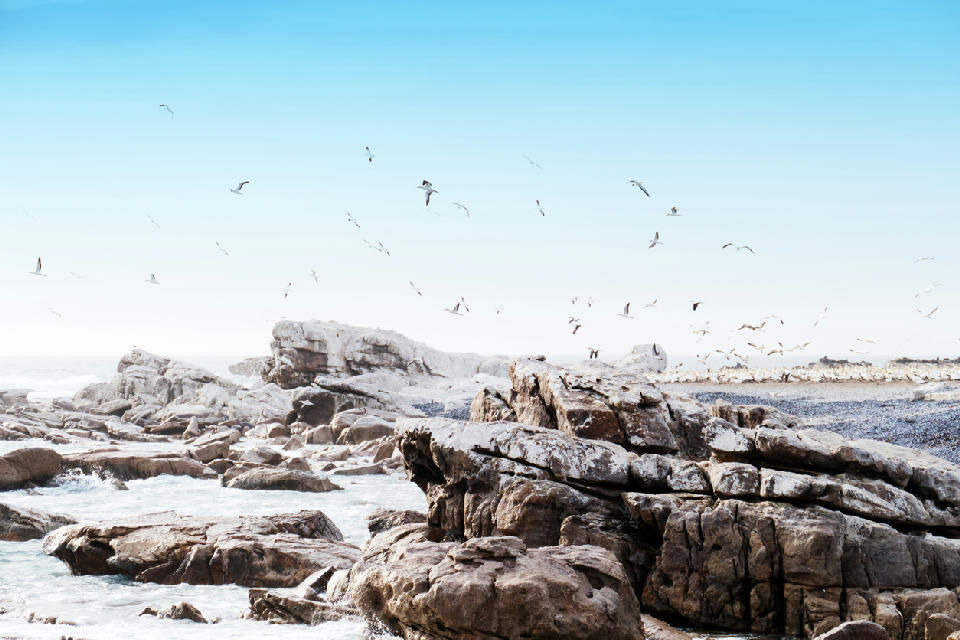
Thousands of Cape gannets gather on Bird Island off the coast of Lambert's Bay, creating one of South Africa's most important seabird breeding colonies and a premier wildlife photography destination on the West Coast.
Lambert's Bay and Bird Island form the wildlife heart of South Africa's West Coast. The region is defined by productive Atlantic waters, internationally significant seabird colonies, rocky coastal platforms, fishing harbour activity, and marine ecosystems sustained by the cold Benguela Current. The landscape extends across Lambert's Bay, Bird Island Nature Reserve, and the surrounding coastal environment where ocean, shoreline, and wildlife interact in one of southern Africa's most important marine habitats. Rocky shorelines, offshore islands, sandy bays, and working fishing infrastructure create a distinctive coastal landscape that differs markedly from the lagoon systems and dune coastlines found elsewhere along the West Coast. Unlike many coastal destinations where scenery dominates the experience, wildlife is a defining component of this region. Large seabird colonies, marine feeding grounds, seasonal ocean productivity, and constant bird activity create a landscape where ecological processes are often as visually important as the physical coastline itself.
Gallery
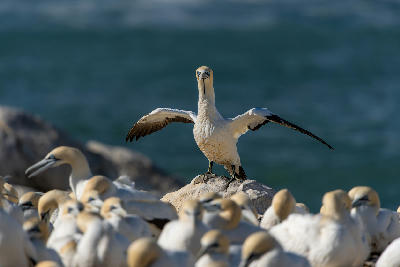
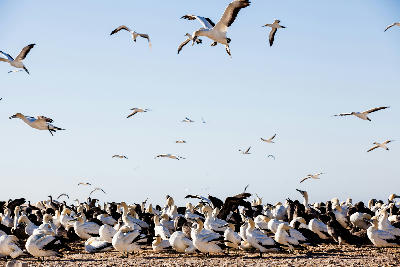
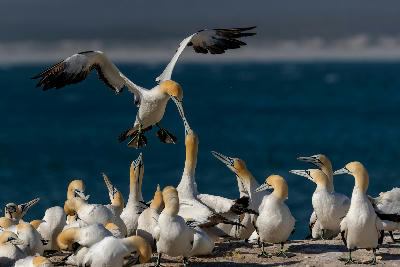
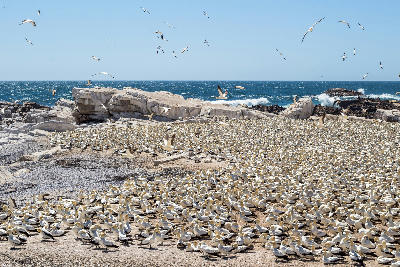
Key POIs in Lambert's Bay & Bird Island
Nearby Places
View all on mapElands Bay & Verlorenvlei
area district — 24.5 km
West Coast
Elands Bay
landmark — 24.8 km
West Coast
Baboon Point
landmark — 25.1 km
West Coast
Ramskop Wildflower Garden
landmark — 55.4 km
Cederberg
Clanwilliam
landmark — 55.6 km
Cederberg
Clanwilliam & Cederberg Foothills
area district — 56.4 km
Cederberg
Clanwilliam Dam
landmark — 59.9 km
Cederberg
Sevilla Rock Art & Sandstone Valleys
area district — 72.5 km
Cederberg
Overview
The region is structured around a combination of offshore islands, rocky Atlantic shoreline, sheltered harbour environments, and productive marine ecosystems extending along the northern West Coast. Bird Island forms the focal point of the landscape, while surrounding coastal environments provide additional variety through fishing harbours, beaches, tidal platforms, and open ocean viewpoints. The Benguela Current plays a central role in shaping the character of the region. Nutrient-rich waters support abundant marine life, creating feeding opportunities for seabirds, marine mammals, and other wildlife. Seasonal weather systems, ocean conditions, and changing light continually influence both wildlife activity and the appearance of the coastline throughout the year. Photographically, the region is defined by wildlife, atmosphere, and coastal interaction. Large seabird colonies create opportunities for behavioural and action photography, while rocky shorelines, harbour environments, and offshore islands provide structure within wider landscape compositions. Ocean light, sea mist, dramatic weather, and constant bird movement contribute energy, texture, and visual interest across the coastal environment.
Key photography subjects
- Cape gannet colonies and seabird behaviour
- Bird Island wildlife and offshore marine habitats
- Rocky Atlantic shorelines and coastal platforms
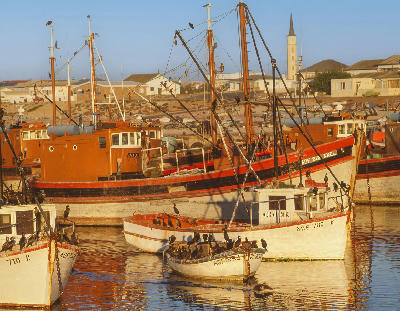
- Fishing harbour scenes and maritime activity
- Seabirds in flight and wildlife action photography
- Ocean conditions, surf, and marine environments
- Coastal atmosphere, sea mist, and dramatic light
Workshops in Lambert's Bay & Bird Island
No upcoming workshops scheduled for Lambert's Bay & Bird Island at this time.
Check back soon or explore other destinations.