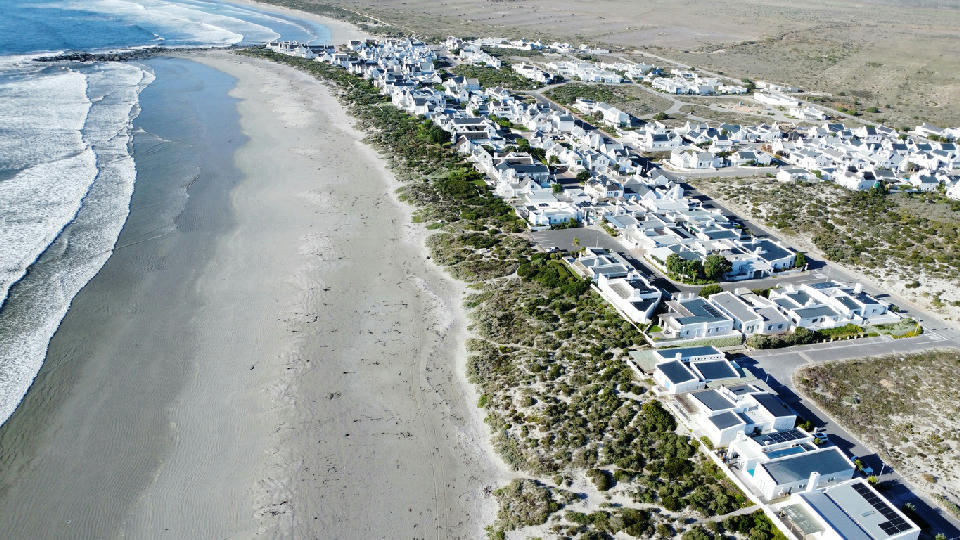
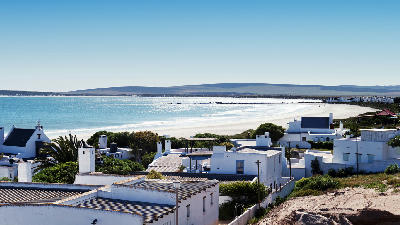
Aerial view of Paternoster’s whitewashed coastal village stretching along a sweeping Atlantic shoreline, where sandy beaches, dune vegetation and traditional West Coast architecture meet the sea.
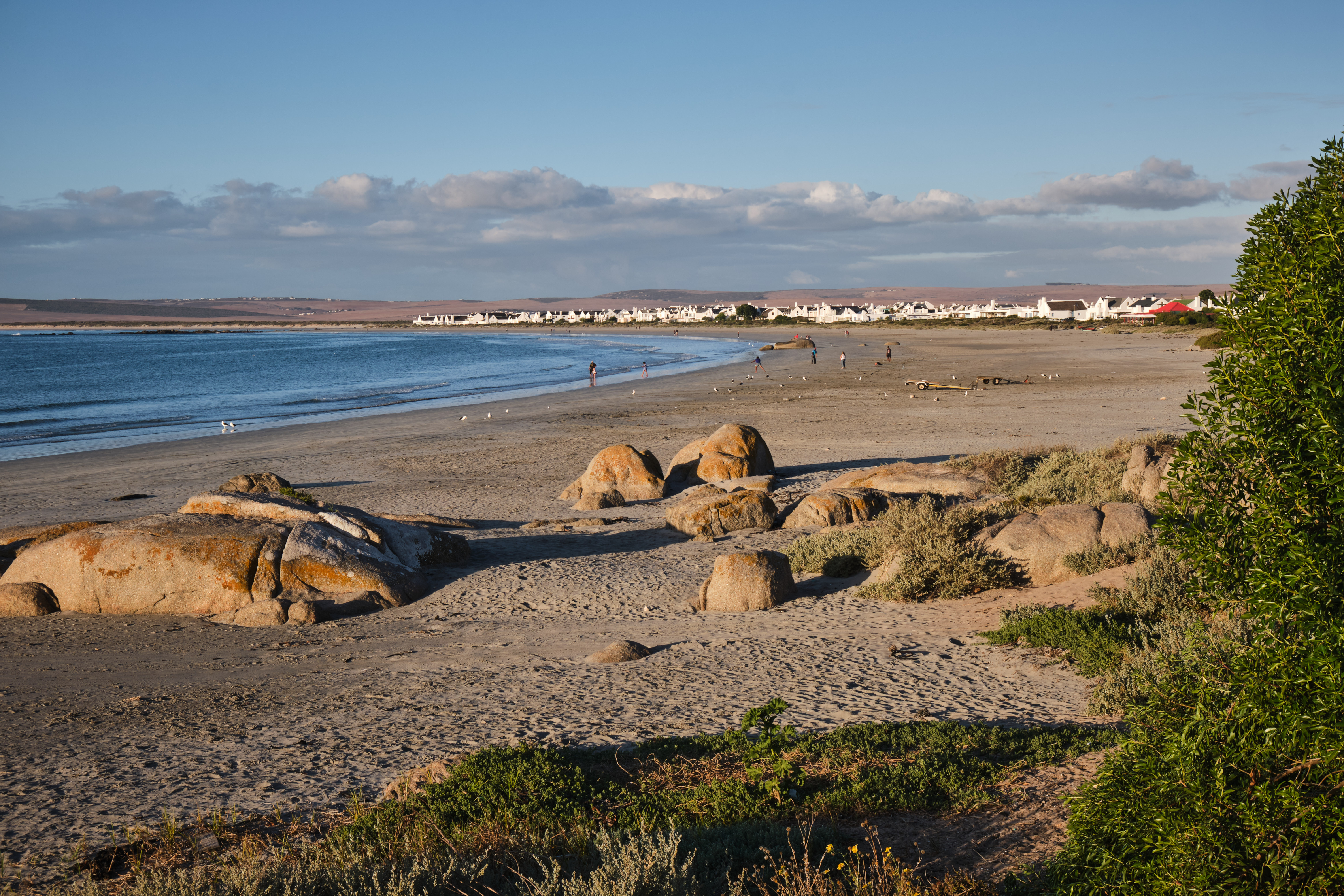
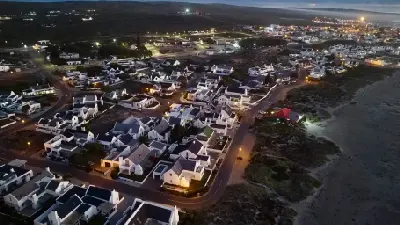
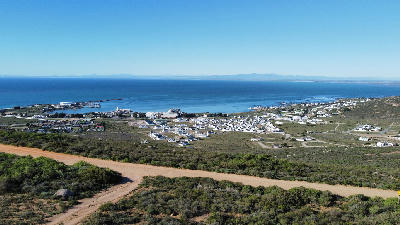
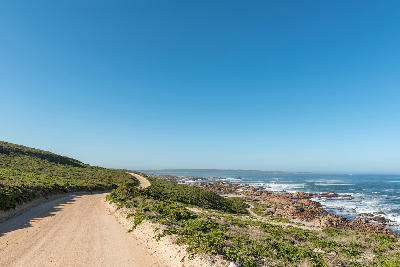
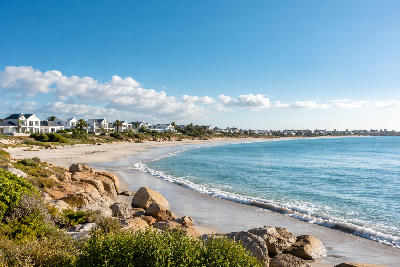
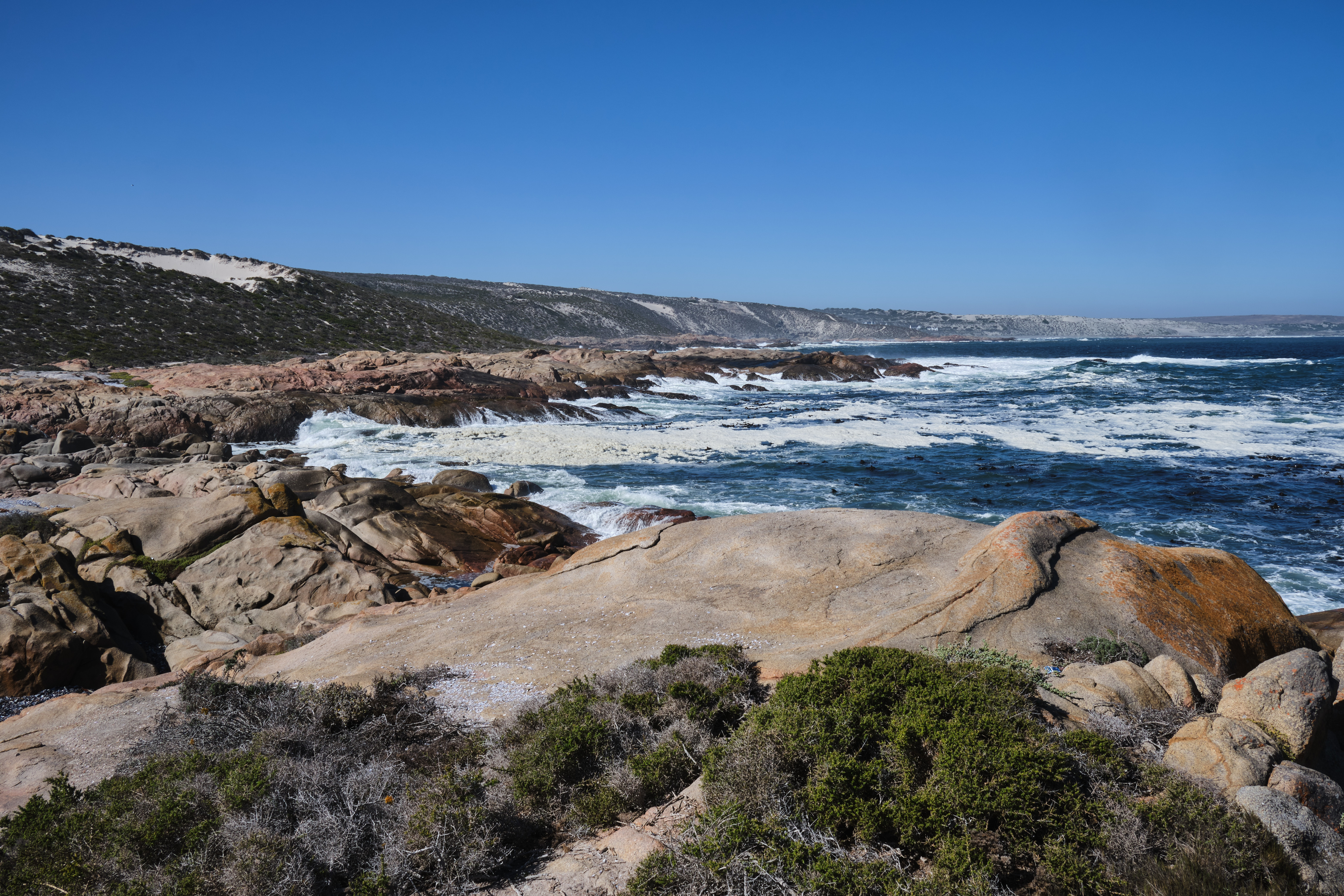
Paternoster, Cape Columbine and St Helena Bay form the maritime heart of South Africa's West Coast. The region is defined by traditional fishing settlements, granite headlands, sheltered bays, and expansive Atlantic Ocean views shaped by the cold Benguela Current and centuries of coastal heritage. The landscape extends from the whitewashed fishing village of Paternoster through the exposed shoreline of Cape Columbine and northwards into the broad bay systems surrounding St Helena Bay. Rocky points, sandy beaches, working harbours, offshore islands, and low coastal hills create a varied coastal environment that differs significantly from the lagoon landscapes further south. Human settlement remains an important component of the visual landscape. Fishing harbours, historic architecture, small coastal communities, and maritime infrastructure combine with rugged coastal scenery to create a region where cultural heritage and natural landscapes exist side by side along the Atlantic shoreline.
Gallery
Key POIs in Paternoster, Cape Columbine & St Helena Bay
Nearby Places
View all on mapClub Mykonos
landmark — 31.4 km
West Coast
Postberg Wildflower Reserve
landmark — 36.2 km
West Coast
West Coast National Park & Langebaan Lagoon
area district — 39.0 km
West Coast
Seeberg Viewpoint
landmark — 40.3 km
West Coast
Kraalbaai
water feature — 40.4 km
West Coast
Langebaan Lagoon
water feature — 42.4 km
West Coast
Geelbek
landmark — 49.0 km
West Coast
Sixteen Mile Beach
beach — 50.3 km
West Coast
Overview
The region is structured around a series of interconnected coastal environments extending from Cape Columbine to St Helena Bay. Granite outcrops, rocky headlands, sheltered coves, sandy beaches, and open ocean viewpoints create a diverse coastal landscape with strong visual contrasts between land and sea. The coastline alternates between exposed Atlantic shorelines and protected bays, producing considerable variety within a relatively compact geographic area. Throughout the region, maritime influences dominate both the environment and visual character of the landscape. Working fishing harbours, traditional villages, and historic coastal landmarks provide focal points within broader seascapes, while changing weather systems and ocean conditions continually reshape the appearance of the coastline. Seasonal wildflowers often add further colour to surrounding coastal plains during spring. Photographically, the area is defined by texture, atmosphere, and coastal character. Fishing boats, harbours, granite formations, and whitewashed buildings create strong compositional subjects, while ocean swells, dramatic skies, sea mist, and low-angle light contribute mood and visual depth. The combination of cultural heritage and rugged Atlantic scenery makes the region one of the most distinctive photographic destinations on South Africa's West Coast.
Key photography subjects
- Traditional fishing villages and harbour scenes
- Whitewashed West Coast architecture
- Granite headlands and rocky shoreline formations
- Atlantic Ocean vistas and coastal panoramas
- Sheltered bays, beaches, and harbour environments
- Fishing boats, maritime activity, and coastal heritage
- Atmospheric coastal light, sea mist, and dramatic skies
Workshops in Paternoster, Cape Columbine & St Helena Bay
No upcoming workshops scheduled for Paternoster, Cape Columbine & St Helena Bay at this time.
Check back soon or explore other destinations.