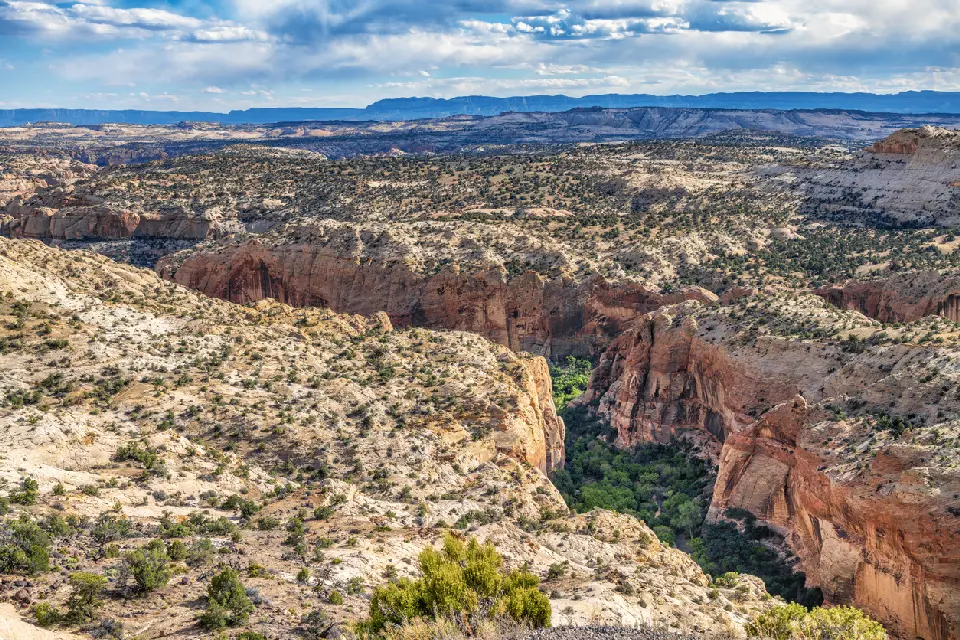
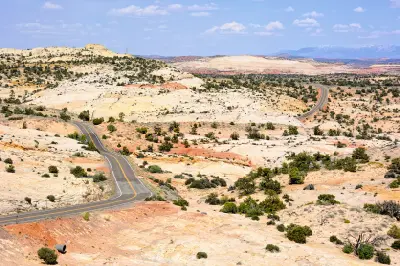
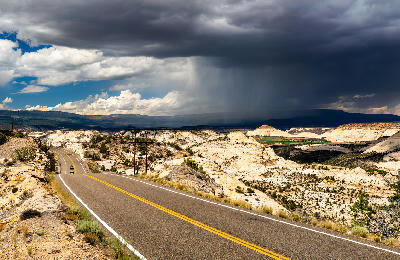
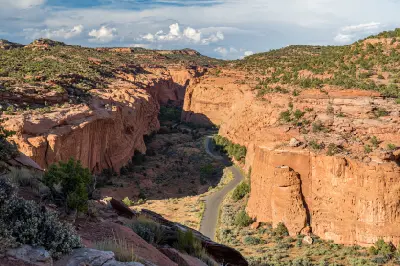
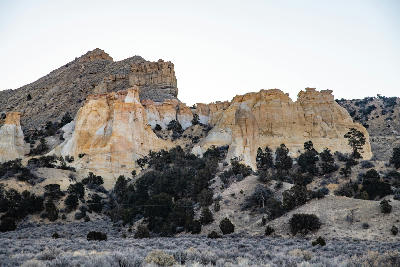
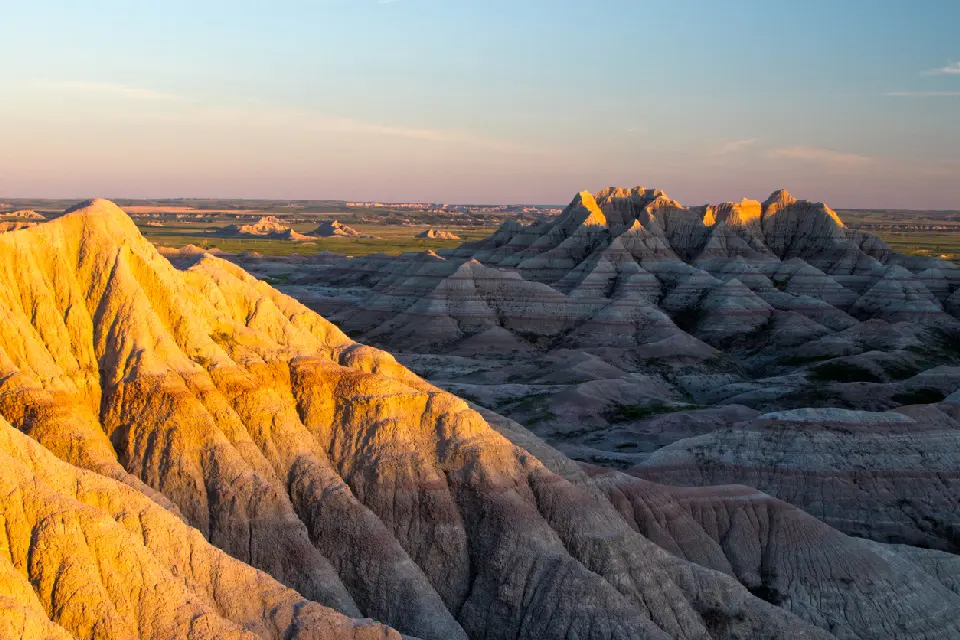
Vast sandstone canyons of Grand Staircase–Escalante National Monument, Utah, USA.
Grand Staircase–Escalante is a vast desert landscape in southern Utah defined by layered sandstone plateaus, deeply incised canyons, broad badlands and exposed rock formations. The region extends across a complex sequence of cliffs and terraces between the high plateaus and lower desert country surrounding the Escalante River. The terrain transitions between elevated mesas, stepped cliffs, open slickrock, narrow slot canyons and deeply eroded river corridors. Resistant sandstone forms arches, fins and isolated rock formations, while softer sedimentary layers create broad valleys, colourful badlands and intricately weathered slopes. Seasonal rainfall, desert vegetation and changing atmospheric conditions continually alter the landscape, with flash floods reshaping canyon systems and low-angle sunlight revealing strong variations in sandstone colour, texture and geological layering.
Gallery
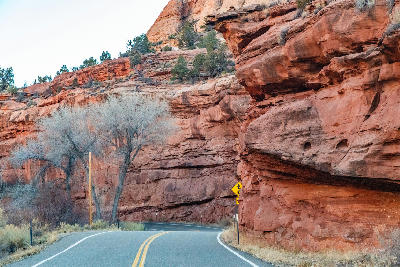
Key POIs in Grand Staircase-Escalante
Nearby Places
View all on mapAlstrom Point
landmark — 43.3 km
Arizona
Wahweap Overlook
landmark — 48.8 km
Arizona
Glen Canyon Dam Overlook
water feature — 54.0 km
Arizona
Bryce Amphitheater
landmark — 54.7 km
Utah National Parks
Bryce Canyon National Park
area district — 55.0 km
Utah National Parks
Page & Colorado River
area district — 55.5 km
Arizona
Inspiration Point
landmark — 55.5 km
Utah National Parks
Navajo Loop Trail
landmark — 55.5 km
Utah National Parks
Overview
Grand Staircase–Escalante is structured around an immense sequence of sedimentary rock layers rising northward from lower desert terrain toward the high plateaus of southern Utah. Successive cliffs, terraces and mesas form the Grand Staircase, while the Escalante River and its tributaries have carved extensive canyon systems through the surrounding sandstone. Across the region, broad plateaus and exposed slickrock give way to narrow slots, deep canyon corridors and isolated formations shaped by prolonged erosion. Long Canyon and the Burr Trail reveal large-scale cliff systems, while Devil’s Garden, Zebra Canyon and the Peek-a-Boo and Spooky canyons show the landscape at progressively smaller and more enclosed scales. The visual structure of the region is defined by repeated layers of sandstone, canyon depth and expansive desert space. Warm rock surfaces contrast with pale badlands and sparse vegetation, while shadows within narrow canyons, distant plateau layers and changing desert light create strong variations in colour, texture and scale.
Key photography subjects
- Layered sandstone cliffs, mesas and stepped plateaus
- Narrow slot canyons and sculpted sandstone walls
- Burr Trail, Long Canyon and large-scale desert corridors
- Devil’s Garden and isolated erosional formations
- Slickrock, badlands and exposed geological layers
- Escalante River canyons, waterfalls and desert vegetation
- Sunrise, reflected canyon light and changing desert conditions
Workshops in Grand Staircase-Escalante
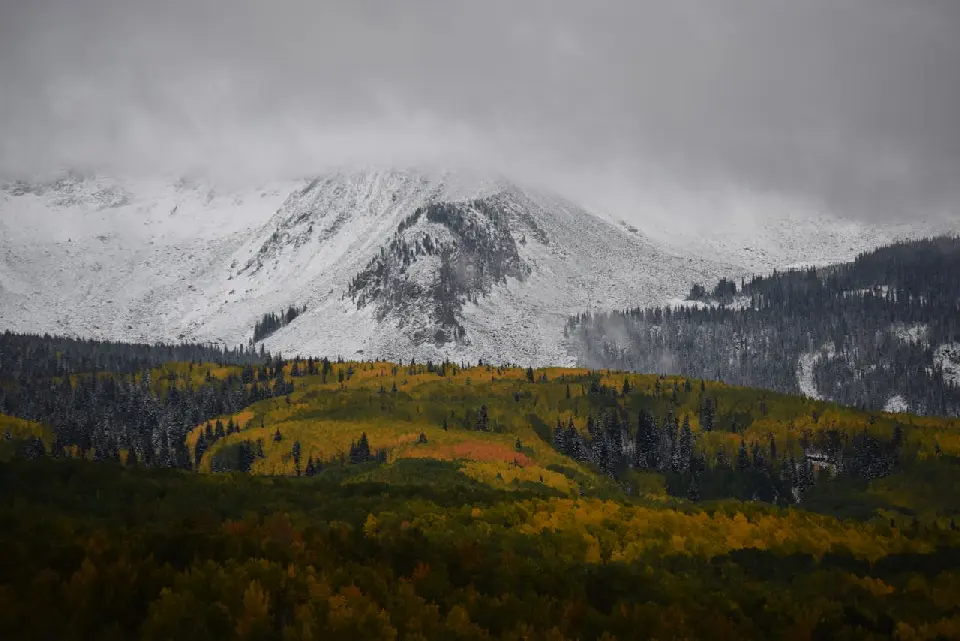
Colorado Fall Color Photography Art Retreat

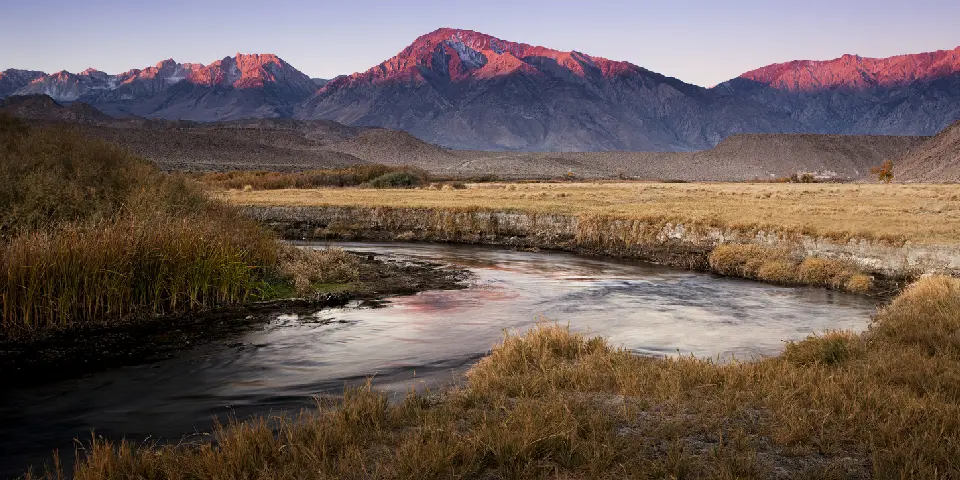
Autumn in Eastern Sierra

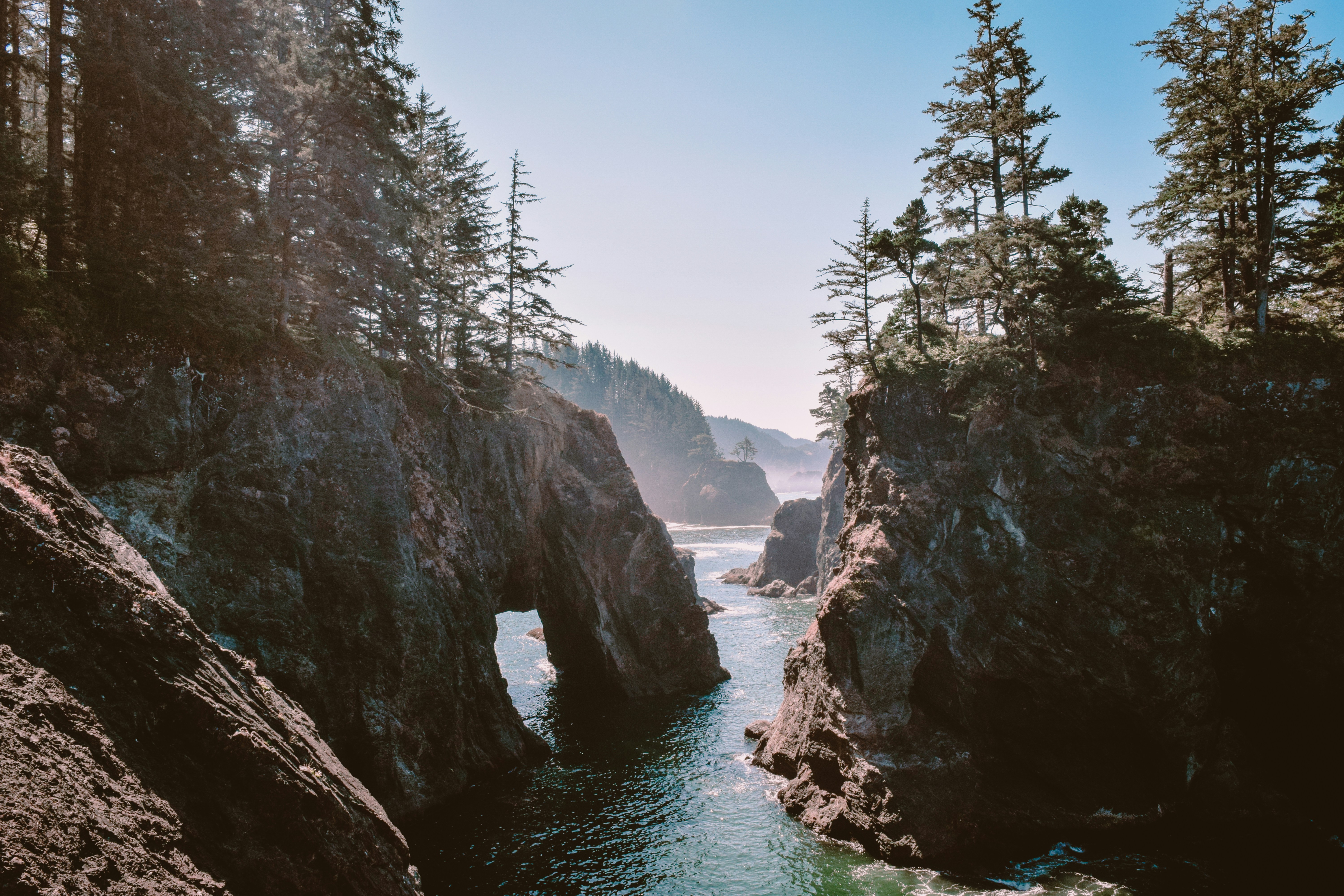
Oregon Coast Adventure Photography Workshop
Autumn in Utah Badlands