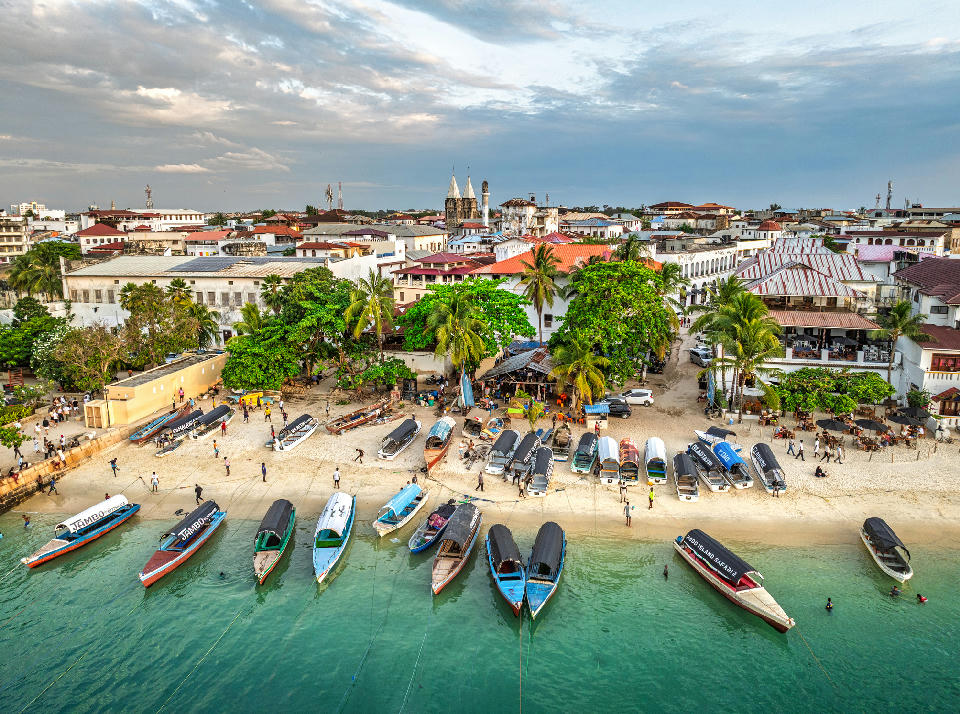
Aerial view of traditional dhow boats along the waterfront of Stone Town, Zanzibar.
Stone Town & West Coast form the cultural and historical heart of Zanzibar, where centuries of Swahili, Arab, Persian, Indian and European influence meet along the shores of the Indian Ocean. Centred on the UNESCO-listed old town and extending westward to palm-lined beaches, coral islands and sheltered coastal waters, the region combines dense historic architecture, maritime heritage and tropical scenery within one of East Africa’s most distinctive coastal landscapes. The area developed around Zanzibar’s principal harbour, where Indian Ocean trade routes brought merchants, sailors and communities from across Africa, Arabia and Asia. Coral-stone buildings, carved wooden doors, shaded courtyards, mosques, churches and merchant houses preserve this layered history within a compact network of narrow lanes. Beyond the old town, the western coastline opens toward fishing villages, mangrove channels, coral reefs and offshore islands including Changuu, creating a strong transition from historic cityscape to tropical marine environment. Seasonal weather and coastal light continuously alter the appearance of the region. Dry-season conditions generally bring clearer skies, calm seas and stronger visibility across the Zanzibar Channel, while wetter periods create humid atmosphere, dramatic clouds and richer tropical colour. Morning light reveals architectural detail within Stone Town, while late afternoon and sunset illuminate the waterfront, dhow harbours and coral-stone facades with warm golden tones.
Gallery

Key POIs in Stone Town & West Coast
Nearby Places
View all on mapEast Coast Beaches
area district — 37.6 km
Zanzibar & Indian Ocean Islands
North Coast & Mnemba
area district — 39.7 km
Zanzibar & Indian Ocean Islands
Paje
water feature — 39.8 km
Zanzibar & Indian Ocean Islands
Matemwe
landmark — 39.9 km
Zanzibar & Indian Ocean Islands
Mnemba Atoll
landmark — 43.4 km
Zanzibar & Indian Ocean Islands
Jambiani
landmark — 43.4 km
Zanzibar & Indian Ocean Islands
Kendwa
landmark — 46.8 km
Zanzibar & Indian Ocean Islands
Nungwi
landmark — 49.6 km
Zanzibar & Indian Ocean Islands
Overview
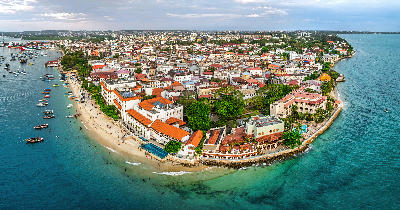
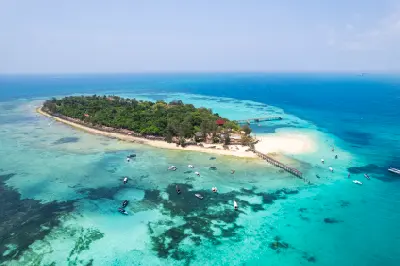
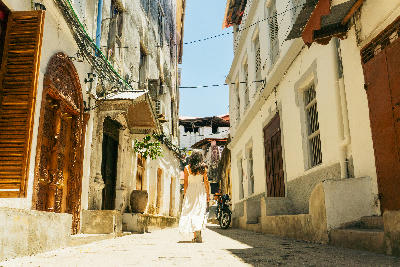
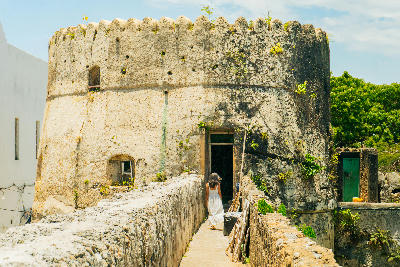
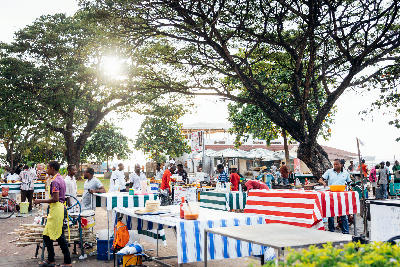
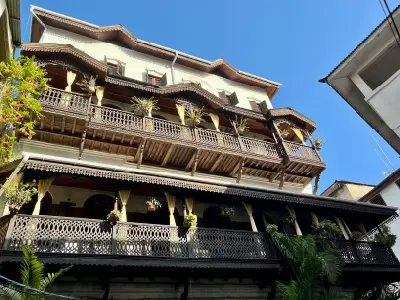
Stone Town & West Coast are structured around the historic urban core of Zanzibar City and the coastal landscapes extending along the western shore of Unguja. Stone Town forms the densely built centre, where narrow alleys connect former palaces, religious buildings, markets, merchant houses and waterfront spaces. To the west and northwest, the urban landscape gradually gives way to beaches, fishing settlements, mangrove-fringed inlets and offshore coral islands within the Zanzibar Channel. Each part of the region contributes a distinct photographic identity. Stone Town is defined by carved doors, weathered facades, rooftop views, busy markets and intimate street scenes, while Forodhani Gardens and the harbour provide open waterfront perspectives filled with dhows, fishing boats and evening activity. Prison Island introduces a quieter island environment of coral shoreline, historic structures and giant Aldabra tortoises, while the wider west coast offers tropical beaches and expansive sunset views across the Indian Ocean. The visual character of the region is shaped by the contrast between dense historic architecture and open coastal space. Coral-stone walls frame shaded lanes, minarets and church towers rise above the rooftops, and traditional dhows move across the bright waters beyond the harbour. As evening approaches, the waterfront becomes the strongest visual focus, with warm light, silhouettes and reflections producing some of Zanzibar’s most recognisable coastal scenes.
Key photography subjects
- Historic Swahili architecture and carved Zanzibar doors
- Narrow alleys, markets and cultural street scenes
- Stone Town rooftops, towers and waterfront panoramas
- Traditional dhows, fishing boats and harbour activity
- Forodhani Gardens and evening waterfront life
- Prison Island, coral shores and giant tortoises
- Indian Ocean sunsets, reflections and tropical coastal light
Workshops in Stone Town & West Coast
No upcoming workshops scheduled for Stone Town & West Coast at this time.
Check back soon or explore other destinations.