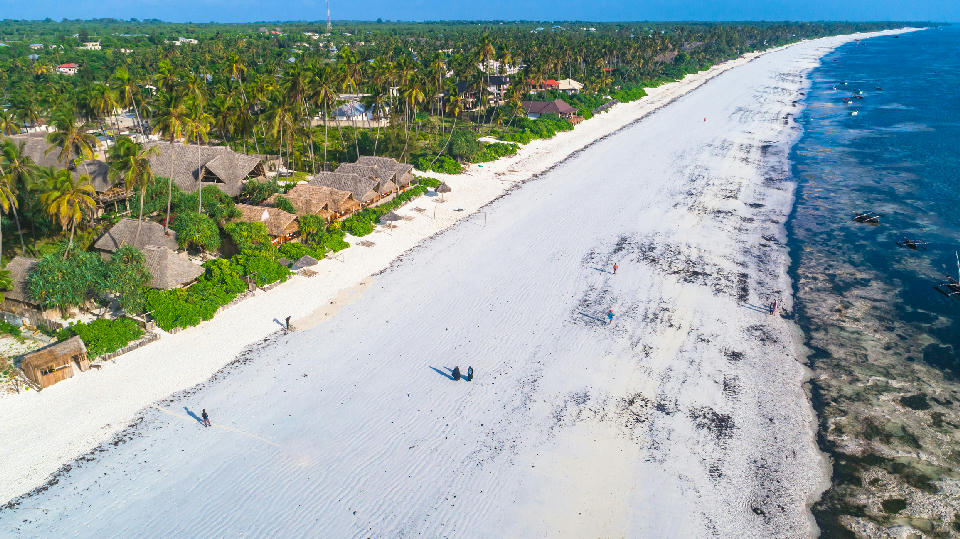
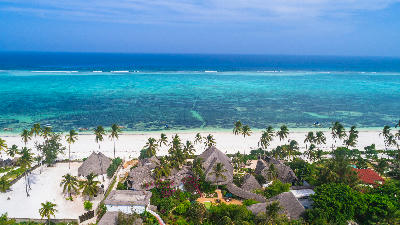
Aerial view of Matemwe Beach revealing a long stretch of white sand, beachfront lodges, palm forests, and the Indian Ocean at low tide, Zanzibar, Tanzania.
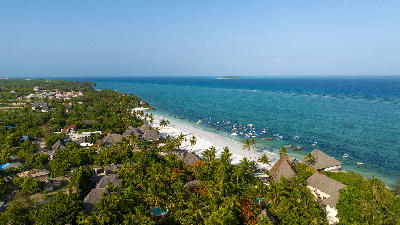
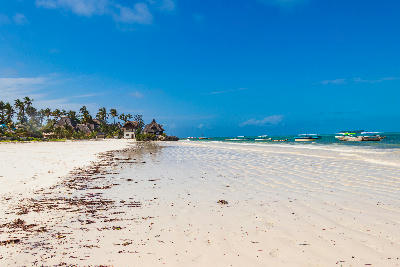
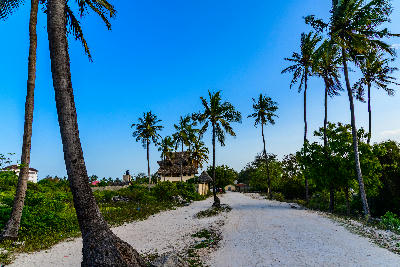
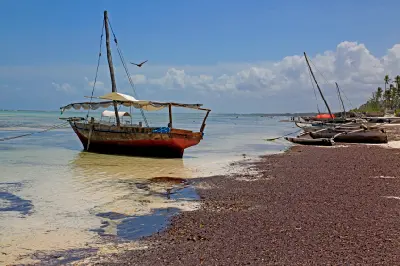
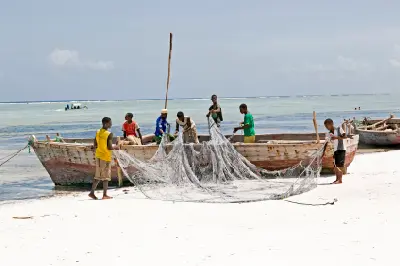
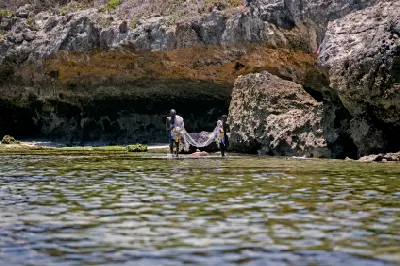
Matemwe is a quiet fishing village on Zanzibar's northeast coast, known for its long white-sand beach, traditional dhows and uninterrupted views towards Mnemba Atoll. The combination of shallow turquoise water, coral reef scenery and local village life creates one of the island's most relaxed coastal photography locations.
-5.84218, 39.35816
Gallery
Quick Facts
Access
Roadside / Step-out
0–5 min
Elevation Gain
5 m
Best Light
Light works best from sunrise into the morning because low-angle sunlight enhances the beach, coral flats and turquoise lagoon.
Why This Light
Season
Year-Round Stable
The dry seasons generally provide clear skies, excellent visibility towards Mnemba Atoll and calm conditions for coastal photography. The rainy seasons bring lush tropical colours, dramatic cloud formations and changing light across the beach and lagoon.
Crowds
Usually Quiet
Restrictions
Matemwe is easily reached by road and is freely accessible from several public beach access points. Visitors should respect local fishing activities and village life when photographing people, and checking tide times before visiting is recommended.