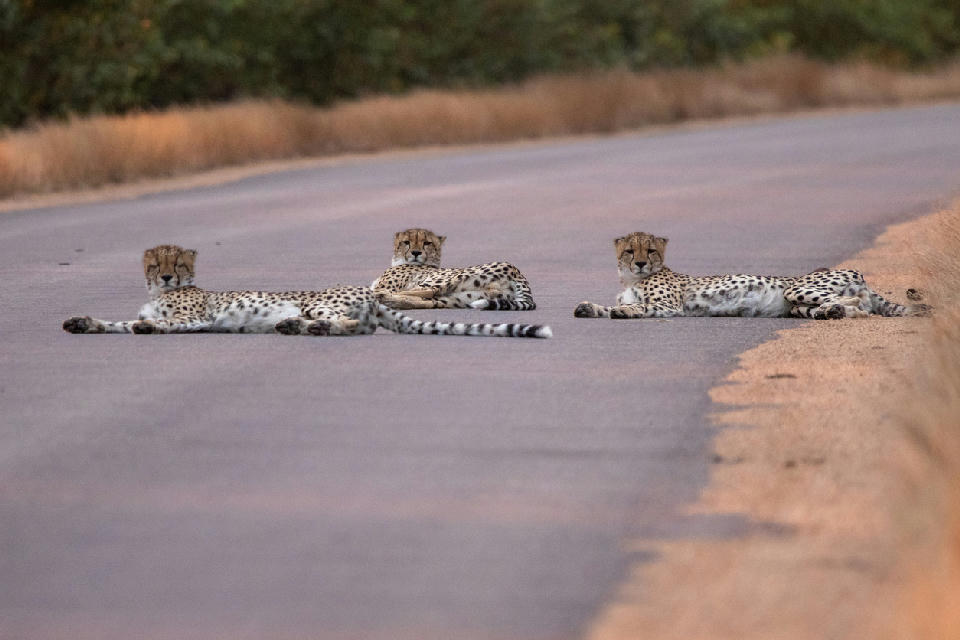
Three cheetahs relax on a road near Crocodile Bridge in Kruger National Park South, a region renowned for exceptional predator sightings and Big Five safaris.
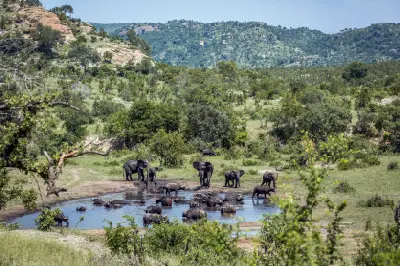
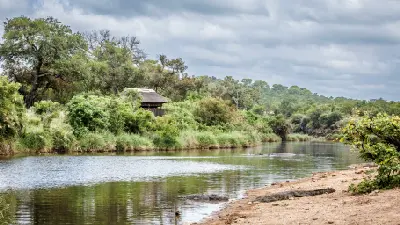
Kruger National Park South forms a wildlife landscape in southeastern Mpumalanga along the southern section of South Africa's largest protected conservation area. The region includes the Sabie, Crocodile and Lower Sabie river systems, extensive savanna plains, mixed woodland habitats, and some of the highest concentrations of wildlife in Africa. The terrain is defined by broad river valleys, open grasslands, scattered granite outcrops, seasonal watercourses, and extensive bushveld ecosystems. Permanent rivers create important ecological corridors that support dense wildlife populations throughout the southern section of the park. Seasonal rainfall influences vegetation density, water availability, wildlife distribution, and atmospheric conditions across the landscape. Changes between dry winter conditions and the summer rainy season create significant variation in colour, visibility, and habitat structure throughout the year.
Gallery
Key POIs in Kruger National Park South
Nearby Places
View all on mapWonder View
landmark — 82.1 km
Mpumalanga
God's Window
landmark — 82.6 km
Mpumalanga
Graskop Gorge Lift
landmark — 84.5 km
Mpumalanga
Pinnacle Rock
landmark — 84.5 km
Mpumalanga
Mac Mac Falls
water feature — 85.6 km
Mpumalanga
Berlin Falls
water feature — 88.2 km
Mpumalanga
Lisbon Falls
water feature — 88.2 km
Mpumalanga
Makhonjwa Mountains & Barberton
area district — 92.4 km
Mpumalanga
Overview
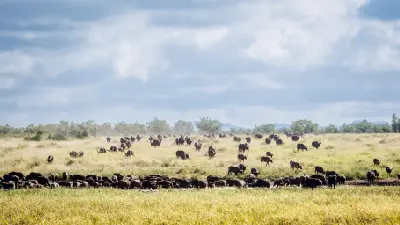
Kruger National Park South is structured around a network of perennial rivers flowing eastward through open savanna and woodland landscapes. The Sabie and Crocodile Rivers form the dominant geographic systems, while smaller tributaries, waterholes, and seasonal drainage lines connect surrounding habitats. Each river system functions as a distinct ecological corridor with strong relationships between water, vegetation, and wildlife movement. Riverbanks support dense woodland while surrounding plains transition into open grassland, creating a mosaic of habitats across the broader landscape. The visual structure of the region is defined by alternating bands of riverine forest, open savanna, granite outcrops, and bushveld woodland. Wildlife concentrations, seasonal vegetation changes, and shifting light conditions continually alter the appearance of the landscape while maintaining its character as one of Africa's premier safari environments.
Key photography subjects
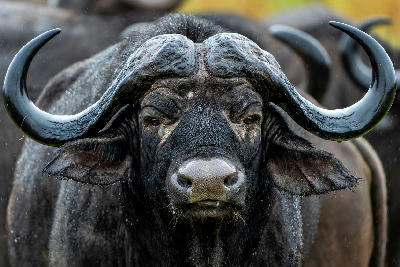
- Big Five wildlife within natural habitats
- River systems and permanent water sources
- Open savanna and mixed bushveld landscapes
- Granite outcrops and scattered woodland scenery
- Wildlife interactions around rivers and waterholes
- Seasonal vegetation and changing habitat conditions
- Golden safari light and atmospheric wildlife scenes
Workshops in Kruger National Park South
No upcoming workshops scheduled for Kruger National Park South at this time.
Check back soon or explore other destinations.