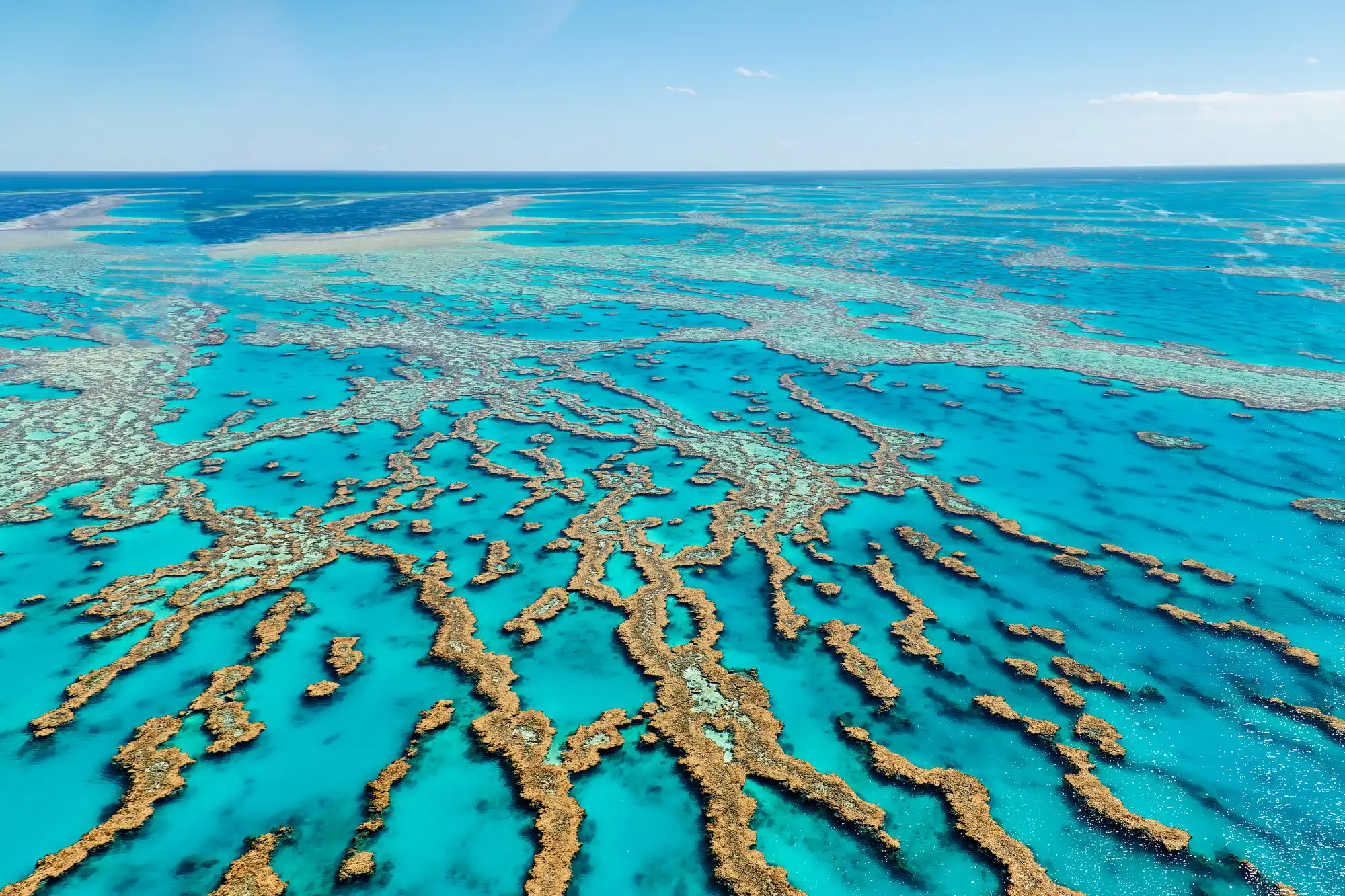
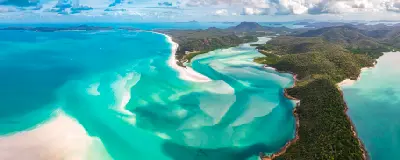
Coral formations stretch towards the horizon across the Great Barrier Reef, separated by brilliant turquoise lagoons and deeper ocean channels.
The Great Barrier Reef is the world's largest coral reef system, extending for more than 2,000 kilometres along Queensland's tropical coast. Thousands of individual reefs, coral cays and islands create extraordinary patterns of turquoise lagoons, deep blue channels and living coral, making the reef as compelling photographically from the air as beneath the water.
Gallery
Key POIs in Great Barrier Reef
Nearby Places
View all on mapOverview
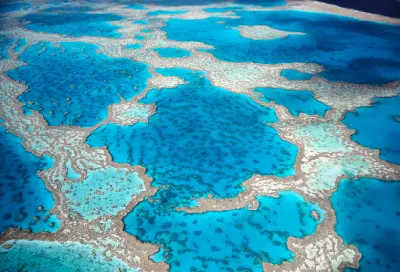
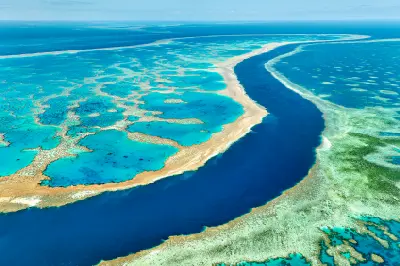
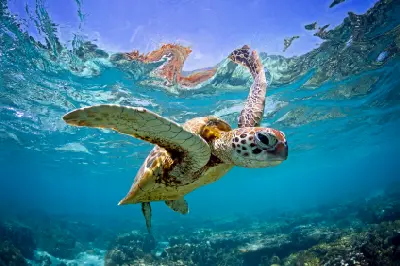
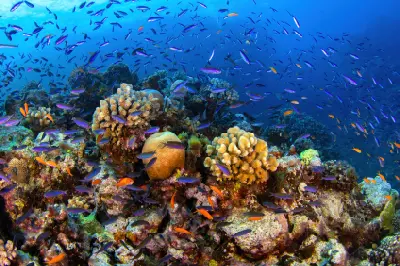
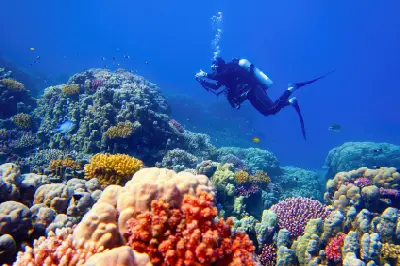
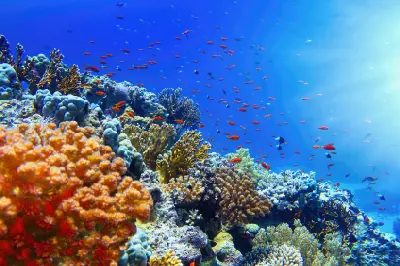
The reef forms an immense marine landscape of outer barrier reefs, shallow coral gardens, sandy cays, reef channels and tropical islands. Water depth and seabed structure produce dramatic changes in colour, ranging from pale aquamarine shallows to intense blue ocean, while coral formations create complex textures visible both underwater and from elevated perspectives. Photographically, the Great Barrier Reef operates at two very different scales. Underwater, coral gardens, reef walls, turtles, rays and tropical fish provide intimate wildlife and marine subjects. From the air, individual reefs become enormous abstract landscapes of colour, pattern and geometry, with isolated sand cays and winding channels providing some of Australia's most distinctive aerial compositions.
Key photography subjects
- Coral reefs, lagoons and intricate reef patterns
- Turquoise shallows and deep-blue ocean channels
- Tropical fish, turtles, rays and marine wildlife
- Coral cays and isolated white-sand islands
- Aerial reef patterns and abstract marine landscapes
Workshops in Great Barrier Reef
No upcoming workshops found in this area.
Browse all workshops →