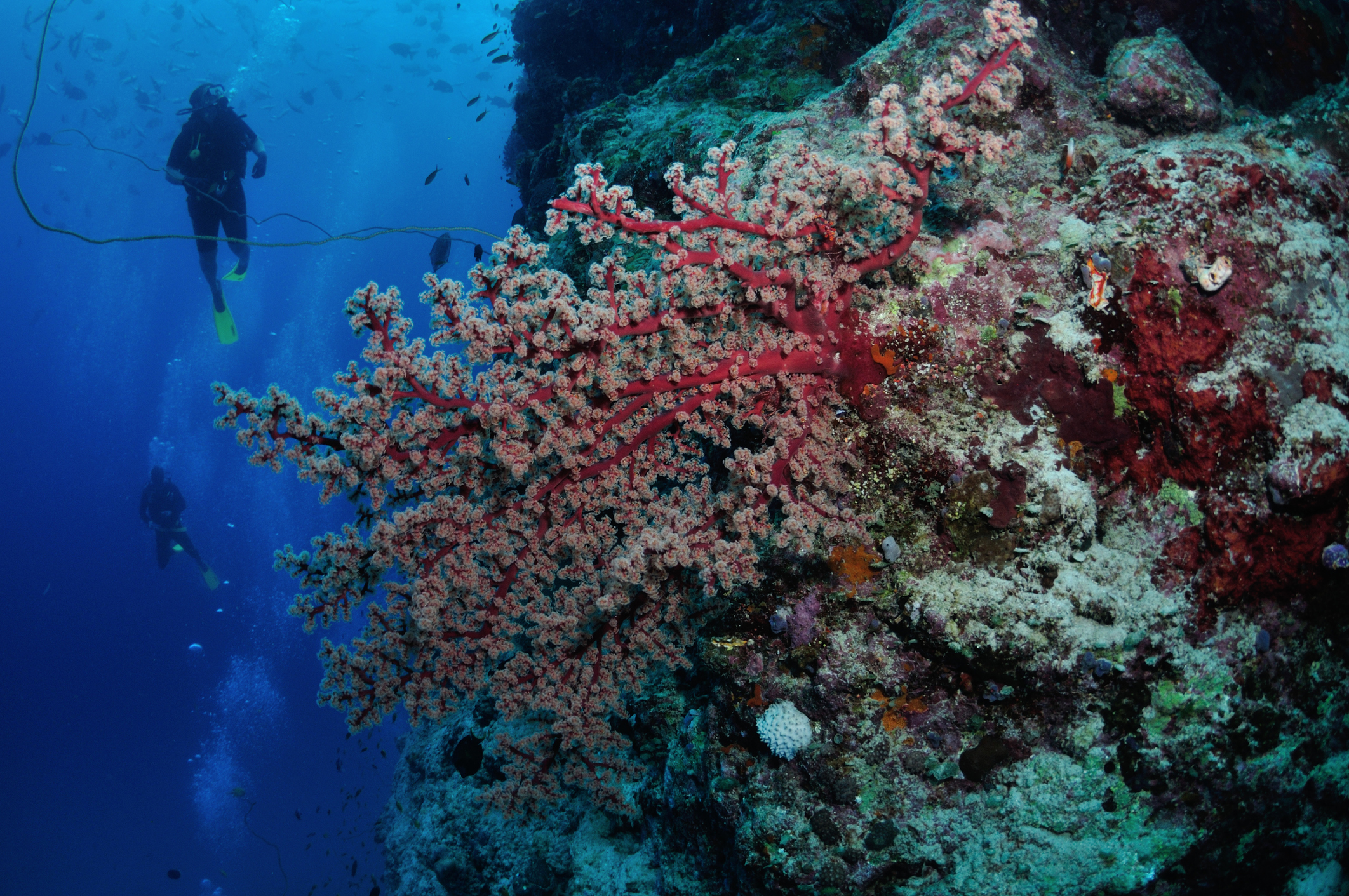
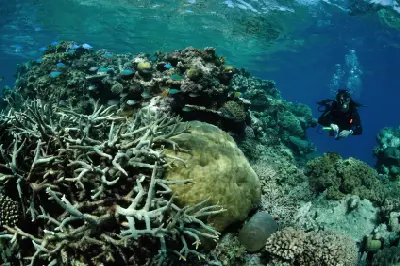
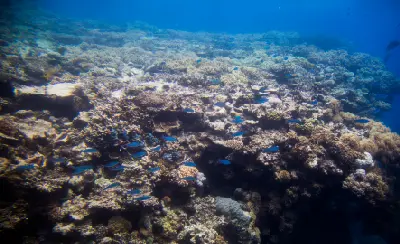
Divers explore a coral-covered pinnacle at Agincourt Reefs, where steep reef walls and colourful marine life form part of the outer Great Barrier Reef off Port Douglas.
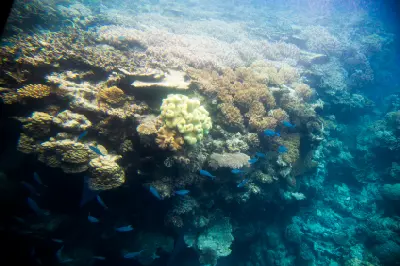
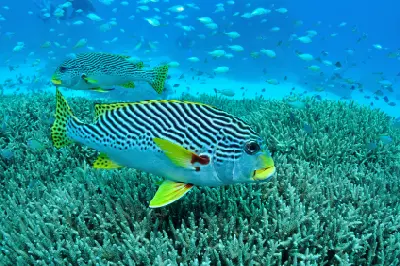
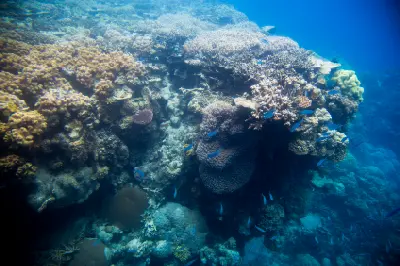
Agincourt Reefs are a group of outer barrier reefs on the Great Barrier Reef east of Port Douglas in Far North Queensland. Clear ocean water surrounds extensive coral gardens, reef walls and channels supporting tropical fish, turtles and other marine life, with visitors primarily experiencing the reefs by snorkelling and diving. Coral formations, abundant wildlife and clear blue water provide opportunities for underwater, marine and aerial photography.
-16.02280, 145.85450
Gallery
Quick Facts
Access
Roadside / Step-out
0–5 min
Elevation Gain
0 m
Best Light
Higher-angle sunlight penetrates the water more directly, strengthening coral colour and visibility while reducing deep shadows across shallow reef formations.
Why This Light
Season
Seasonally Distinct
Summer brings warmer water, greater humidity and more variable tropical weather, with rainfall and runoff occasionally reducing underwater visibility. Winter brings cooler water, generally drier conditions and clearer visibility, while coral communities and tropical marine life remain visually prominent throughout the year.
Crowds
Often Busy
Restrictions
Agincourt Reefs lie on the outer Great Barrier Reef and are normally reached by commercial boat from Port Douglas, with journey times and individual reef sites varying by operator and conditions. Snorkelling and diving take place at designated sites, and visitors must follow operator instructions and Great Barrier Reef Marine Park rules. Wind, swell and tropical weather can affect crossings, underwater visibility and access to particular reef locations.