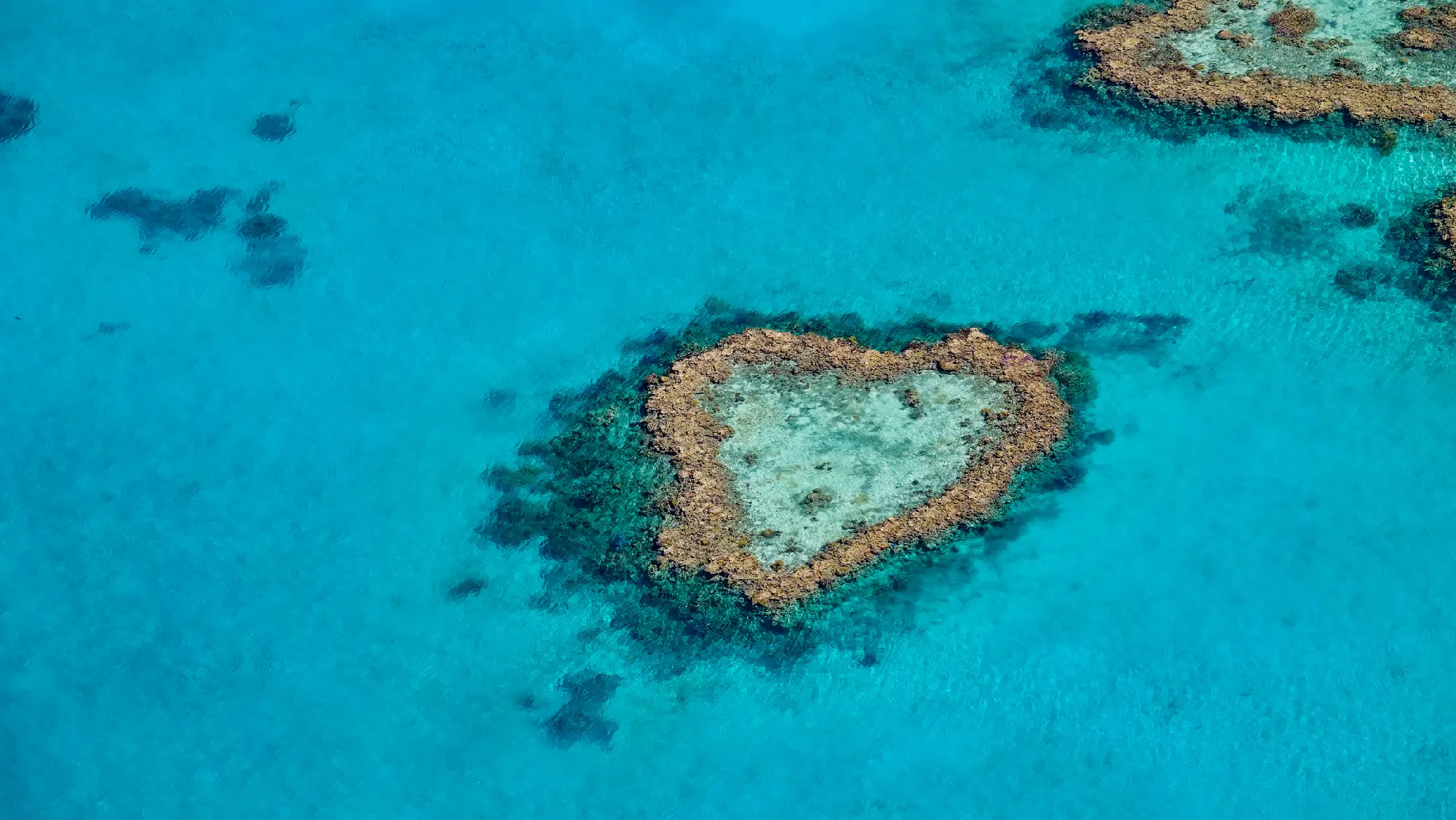
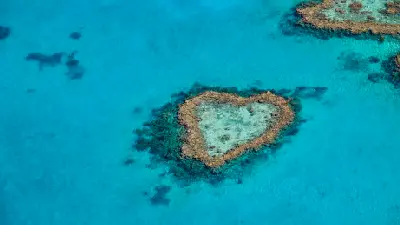
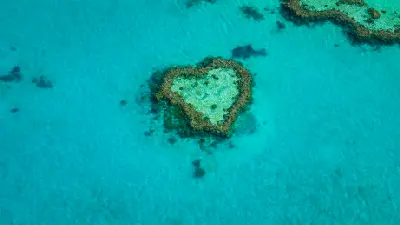
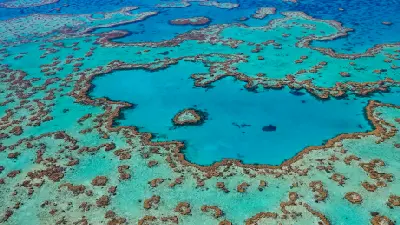
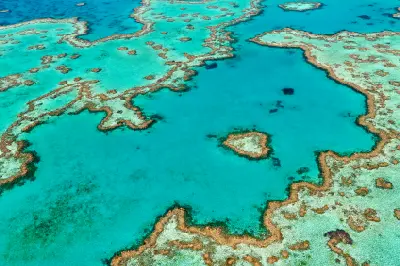
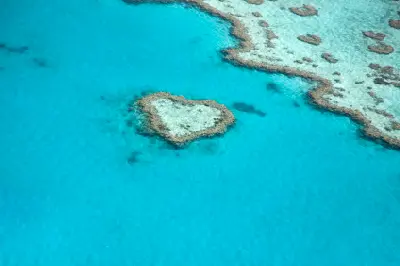
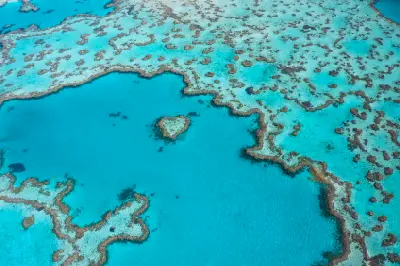
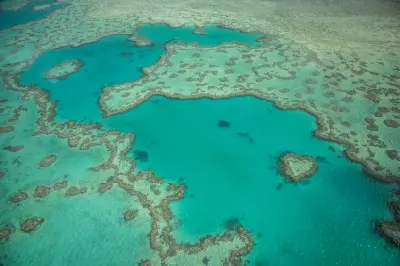
Heart Reef forms an almost perfect heart within the turquoise waters of the Great Barrier Reef, one of the Whitsundays’ most distinctive natural landmarks.
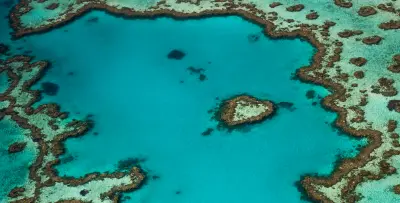
Heart Reef is a naturally heart-shaped coral formation within Hardy Reef in the Whitsundays section of the Great Barrier Reef. The small reef formation lies within open turquoise water and is primarily experienced from the air, where its distinctive outline can be clearly recognised against the surrounding lagoon. Its unusual shape, coral structure and strong colour contrast provide opportunities for aerial, abstract and documentary photography.
-19.77799, 149.24866
Gallery
Quick Facts
Best Light
Higher-angle sunlight penetrates the water more directly, strengthening colour and separation between the coral formation and surrounding turquoise lagoon.
Why This Light
Season
Seasonally Distinct
Summer brings warmer water, greater humidity and more variable tropical cloud, with rainfall and weather affecting water clarity and colour. Winter brings generally clearer skies, lower humidity and more stable conditions, while the reef's coral form and surrounding turquoise water remain visually consistent.
Restrictions
Higher-angle sunlight penetrates the water more directly, strengthening colour and separation between the coral formation and surrounding turquoise lagoon.