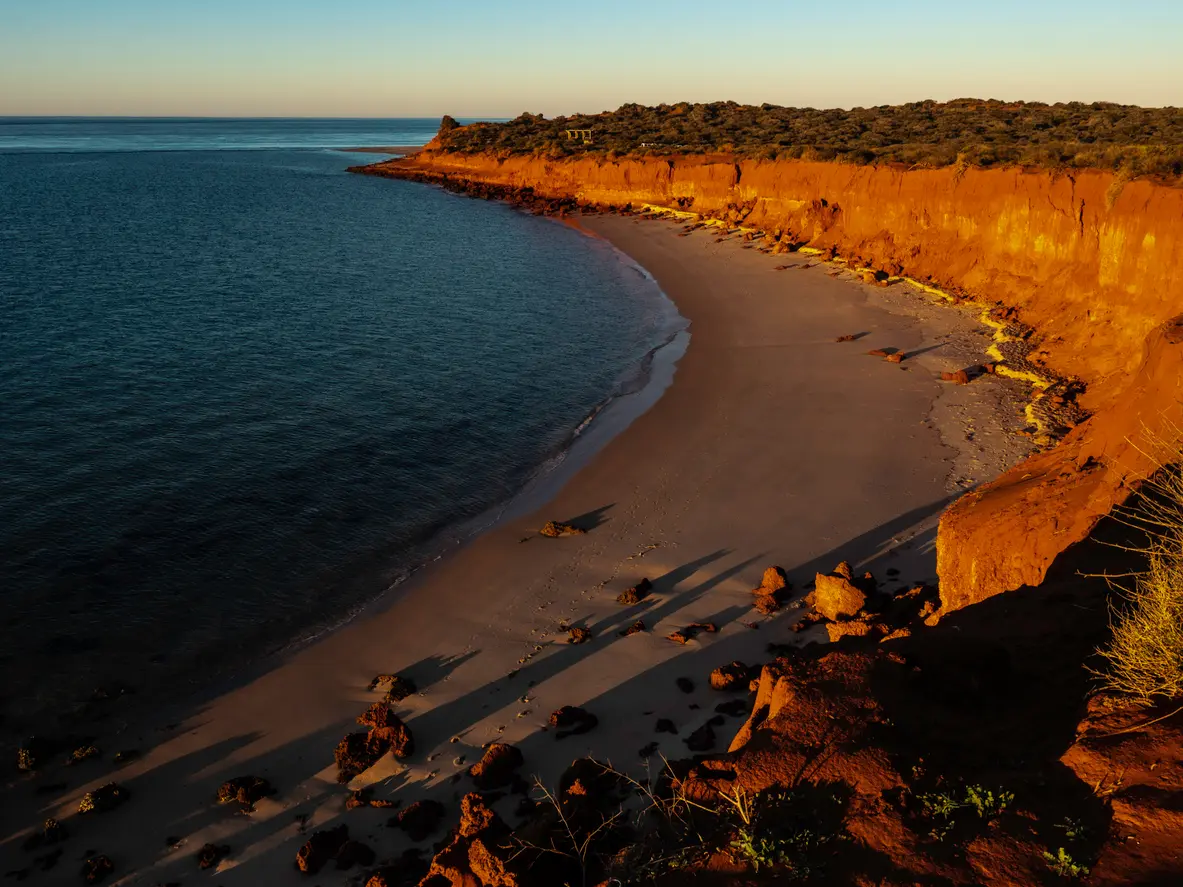
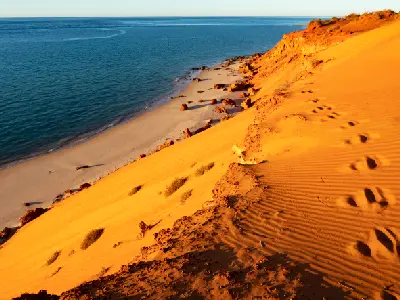
Red coastal cliffs and sandy beach at sunset in Francois Peron National Park, Western Australia.
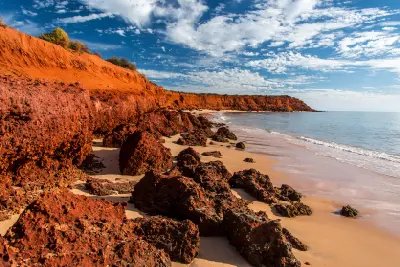
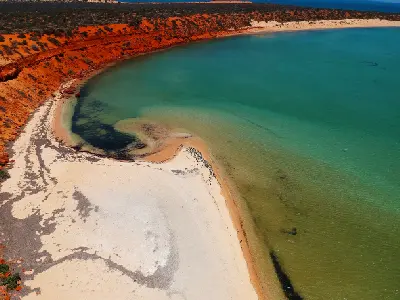
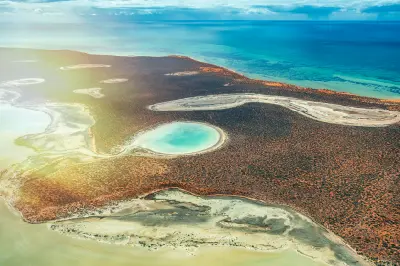
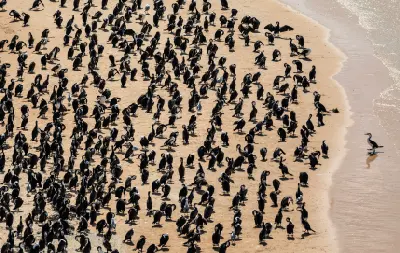
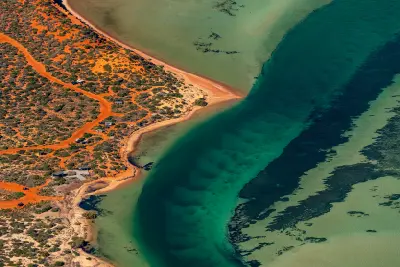
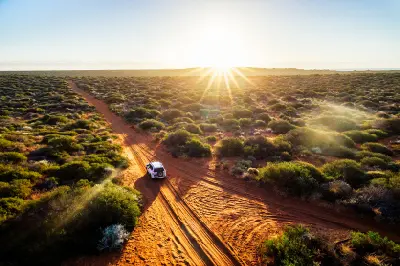
Francois Peron National Park occupies the northern Peron Peninsula within the Shark Bay World Heritage Area, where red desert landscapes meet the turquoise waters of the Indian Ocean. Red dunes, coastal cliffs, white beaches and shallow bays extend across the remote peninsula, with elevated viewpoints overlooking marine habitats below. The strong contrast between red earth, pale shoreline and blue-green water provides distinctive opportunities for coastal, aerial and wildlife photography.
-25.69819, 113.50724
Gallery
Quick Facts
Access
Roadside / Step-out
0–5 min
Elevation Gain
5 m
Best Light
Low-angle light reveals texture across the red dunes and coastal cliffs, strengthening their contrast with pale beaches and turquoise water.
Why This Light
Season
Seasonally Distinct
Summer brings intense heat, bright coastal light and strong colour contrast between the red dunes and turquoise water. Winter brings milder conditions, lower-angle light and clearer definition across the dunes, cliffs and surrounding coastline.
Crowds
Usually Quiet
Restrictions
Access beyond the Peron Homestead area requires a high-clearance four-wheel-drive vehicle, with soft sand and remote tracks extending north through the peninsula. Tyre pressures normally need to be reduced before entering the sandy tracks, and recovery equipment should be carried. A national park entry fee applies. Conditions can change after weather events, and visitors should check current park access and road information before travelling.