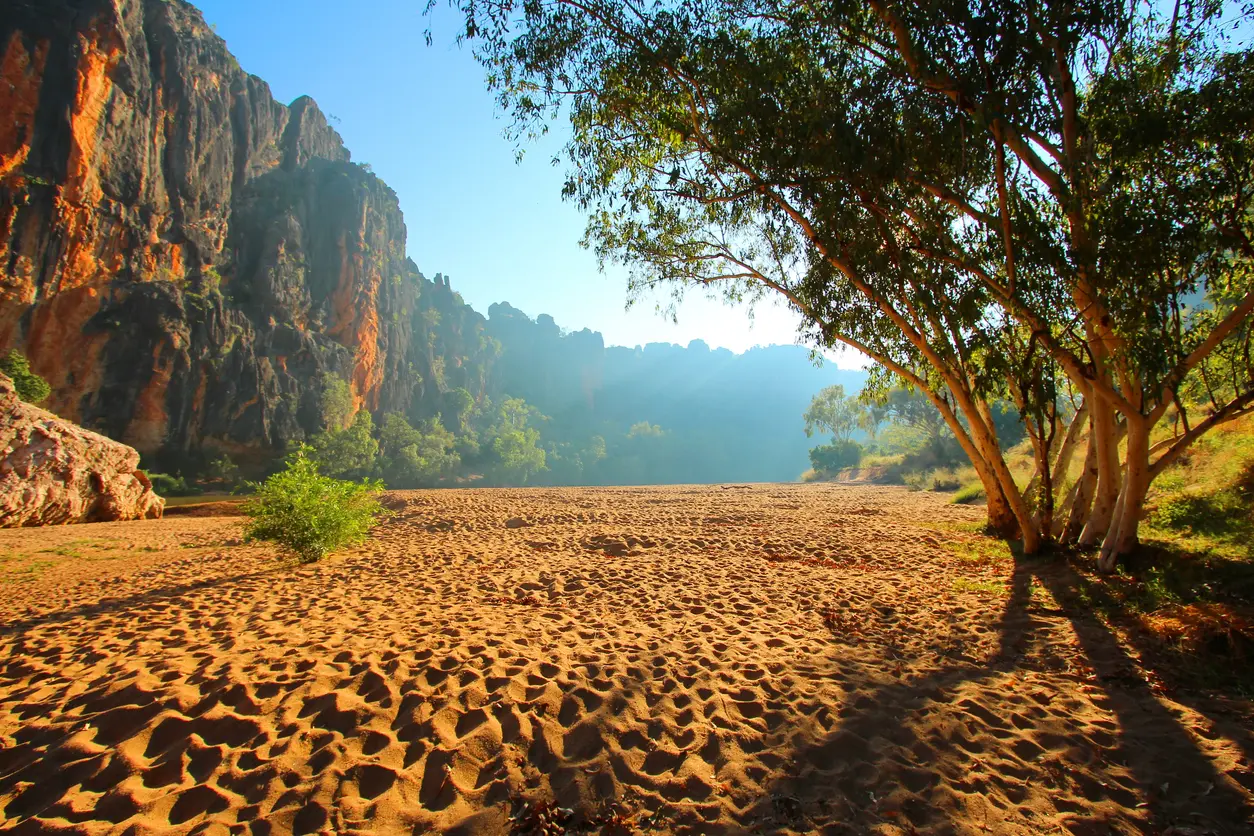
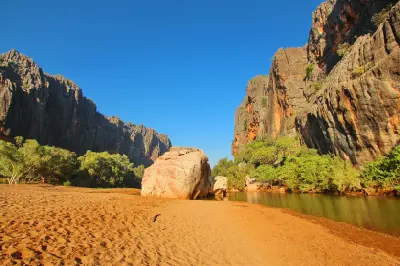
Windjana Gorge in the West Kimberley, Western Australia.
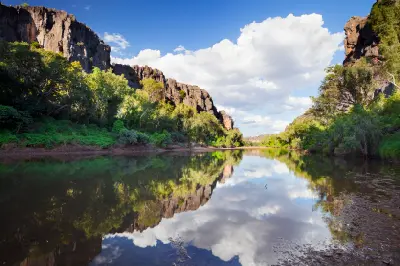
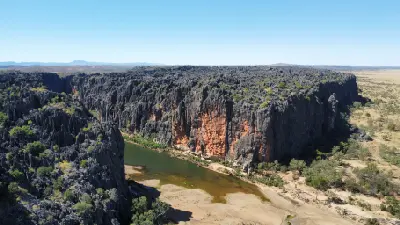
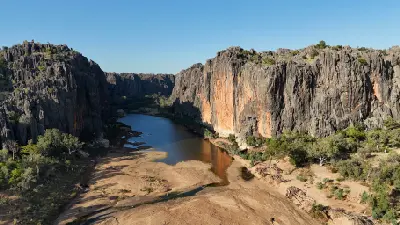
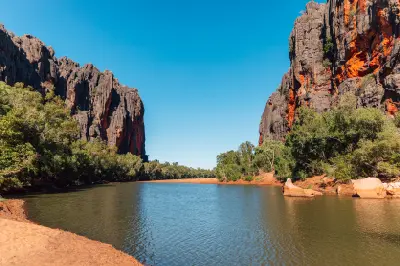
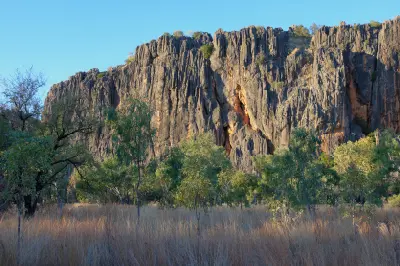
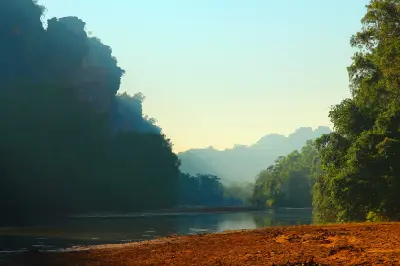
Windjana Gorge is a limestone gorge cut by the Lennard River through the ancient Devonian reef system of the Napier Range in the western Kimberley. Sheer limestone walls rise above the riverbed, seasonal pools and vegetation along the gorge floor. The towering cliffs, reflective pools and exposed reef geology provide varied opportunities for landscape, geological and wildlife photography.
-17.74106, 125.39137
Gallery
Quick Facts
Access
Short Walk
45–90 min
Elevation Gain
20 m
Best Light
Low-angle light reveals texture in the limestone walls, while sheltered pools can reflect the cliffs and vegetation along the gorge floor.
Why This Light
Season
Seasonally Distinct
Summer brings higher water levels, greener vegetation and darker wet limestone during the Kimberley wet season. Winter brings shrinking pools, dry grasses and stronger warm tones across the exposed gorge walls.
Crowds
Often Busy
Restrictions
Windjana Gorge is reached by unsealed roads and access is generally concentrated in the Kimberley dry season, with wet-season conditions capable of closing roads and the park. Walking trails follow the relatively level gorge floor beside the Lennard River and its seasonal pools. Freshwater crocodiles are commonly encountered around the remaining water, so visitors should maintain appropriate distance. Current park, road and fee conditions should be checked before travel.