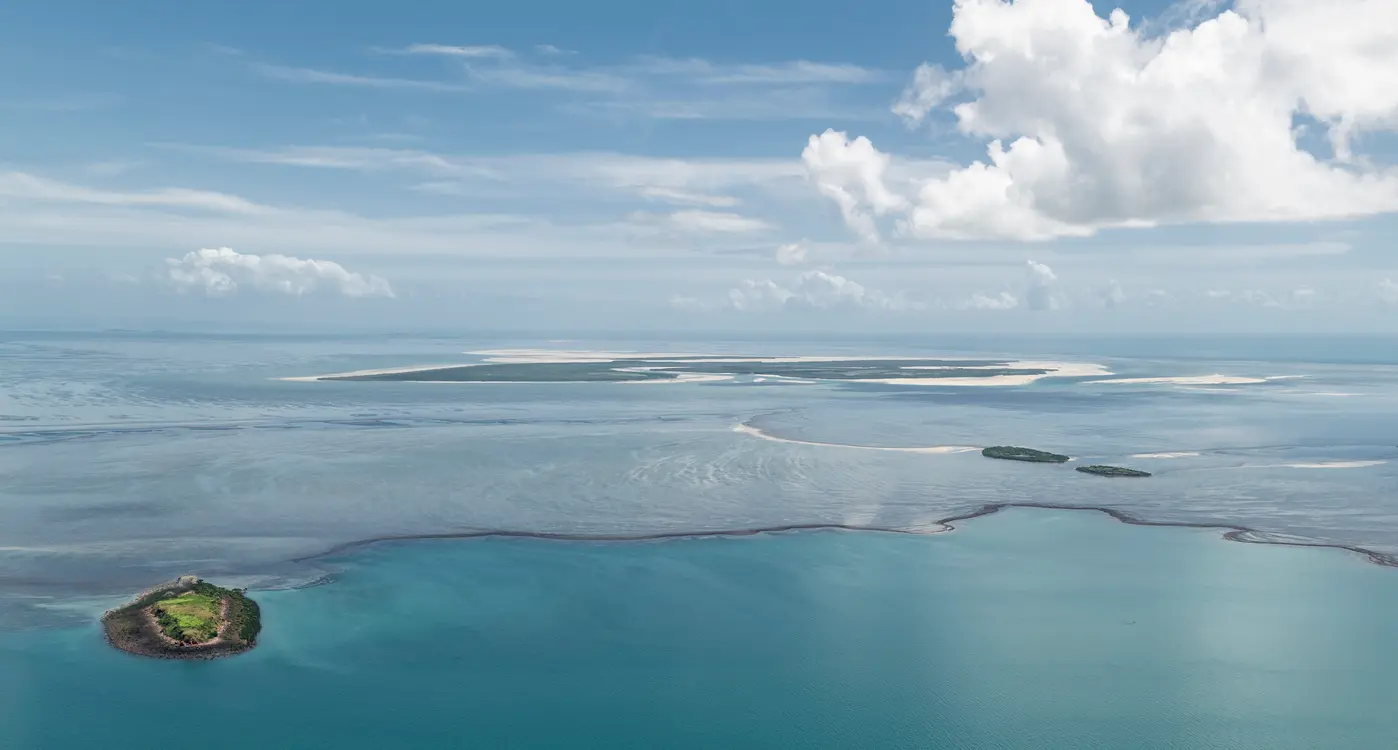
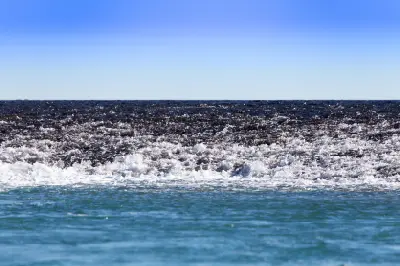
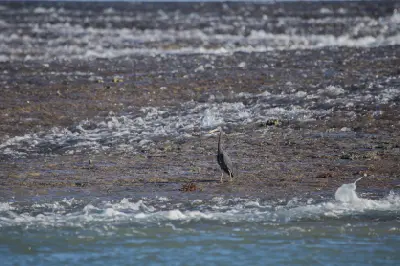
Aerial view of Montgomery Reef, Kimberley, Western Australia.
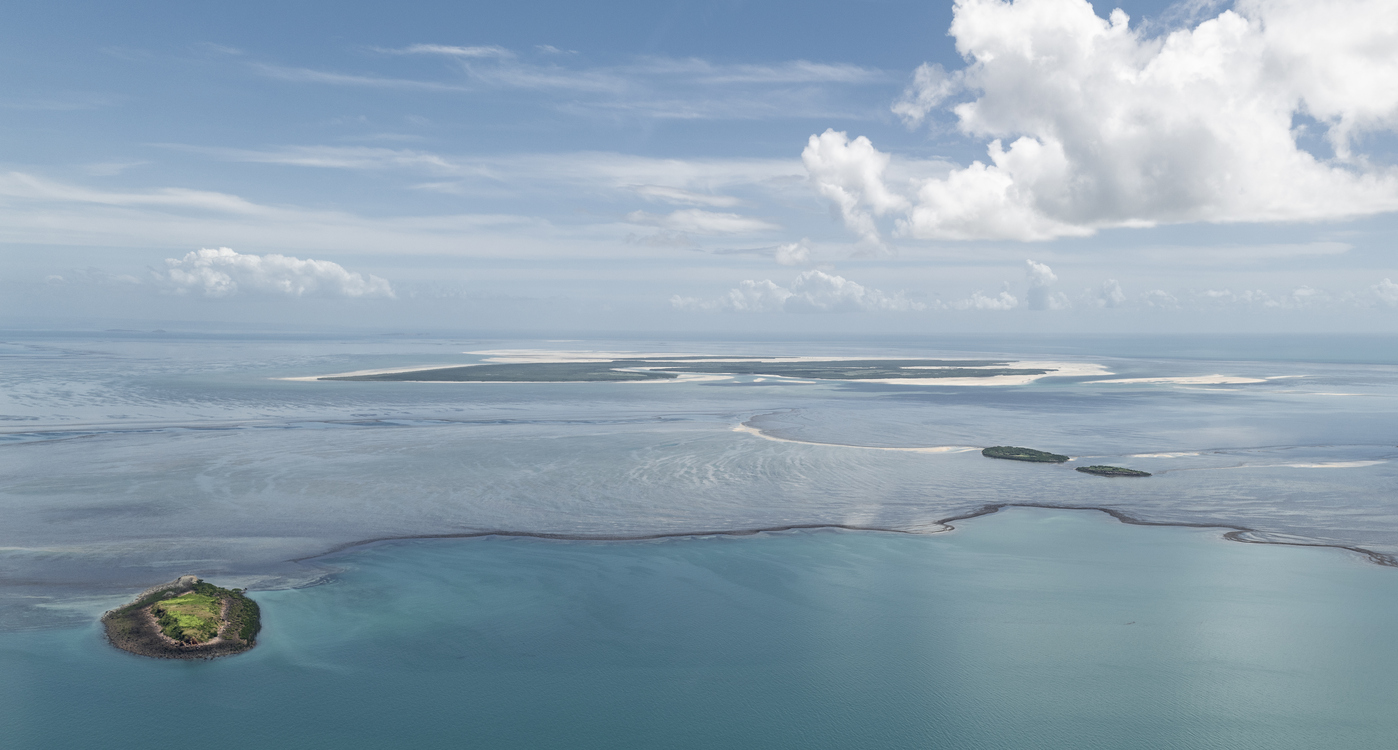
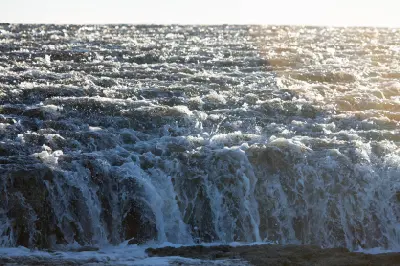
Montgomery Reef is a vast tidal reef system off the Kimberley coast, where falling tides expose an extensive platform of sandstone and coral reef. As the water level drops, seawater drains from the emerging reef through channels and over its edges in broad cascades. The changing patterns of exposed reef, rushing water and surrounding sea provide distinctive opportunities for marine, aerial and wildlife photography.
-15.93327, 124.26813
Gallery

Quick Facts
Access
Roadside / Step-out
0–5 min
Elevation Gain
0 m
Best Light
Low-angle light reveals texture across the emerging reef and strengthens patterns created by channels, cascading water and exposed surfaces.
Why This Light
Season
Seasonally Distinct
Summer brings warmer water, humid conditions and stormier skies across the surrounding Kimberley coast during the wet season. Winter brings generally clearer skies, drier conditions and stronger visual contrast between exposed reef, cascading water and the surrounding sea.
Crowds
Usually Quiet
Restrictions
Montgomery Reef is remote and has no road access, with visits generally made by expedition or tour boat along the Kimberley coast. The reef's appearance depends strongly on tidal timing, with the characteristic cascades developing as large falling tides expose the reef platform. Marine conditions, tides and seasonal operations determine access, so current operator schedules and local conditions should be checked before travel.