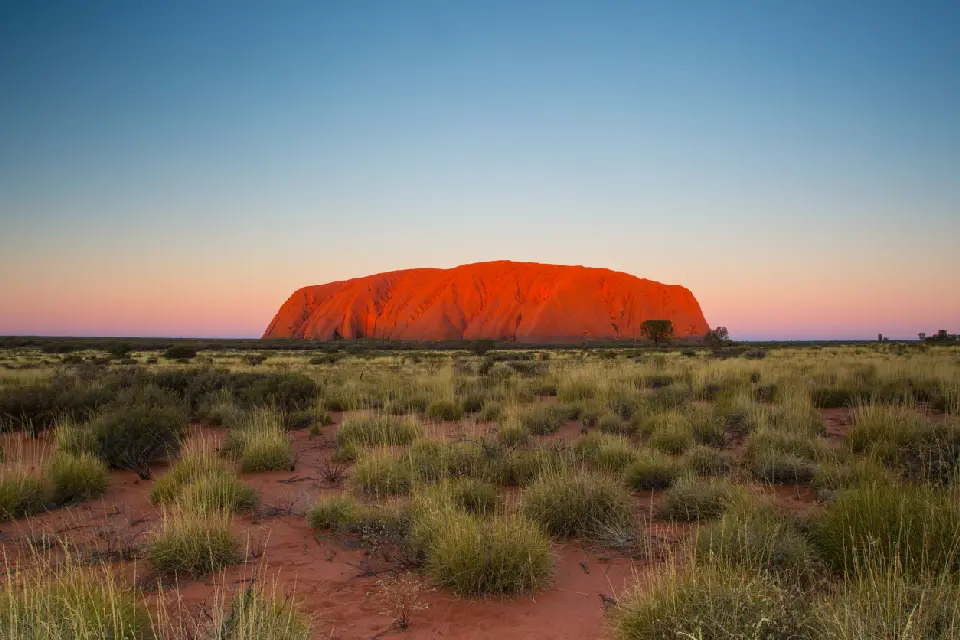
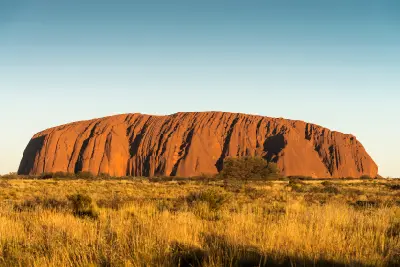
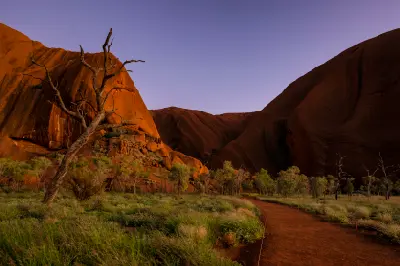
Uluru glows red in the low evening light above the spinifex plains of Uluru-Kata Tjuta National Park, Northern Territory, Australia.
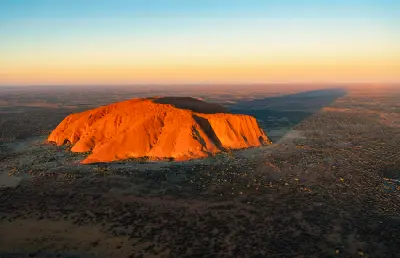
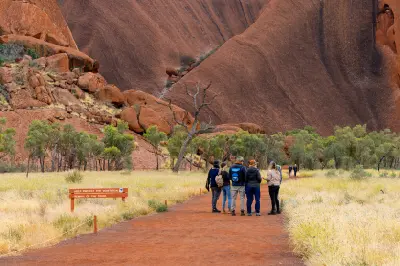
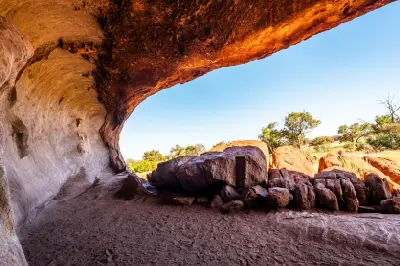
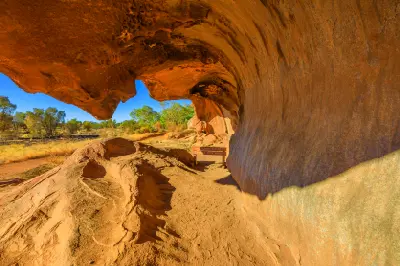
Uluru is a massive sandstone monolith rising from the desert plains of Central Australia within Uluru-Kata Tjuta National Park. Its exposed rock faces, gullies and changing colour are closely connected to the culture and traditions of the Aṉangu people, the Traditional Owners of the land. The isolated form and changing desert light provide opportunities for both broad landscape compositions and studies of the rock's surface and surrounding country.
-25.34555, 131.03696
Gallery
Quick Facts
Access
Visitor Access
0–5 min
Elevation Gain
5 m
Best Light
Low-angle light reveals texture across the rock face and produces pronounced changes in colour, while open desert skies allow strong directional light.
Why This Light
Season
Seasonally Distinct
Cooler months bring comfortable temperatures, clearer air and greater variation between warm days and cold mornings. Summer brings extreme heat, occasional storms and periods when rain can create temporary waterfalls across the rock.
Crowds
Often Busy
Restrictions
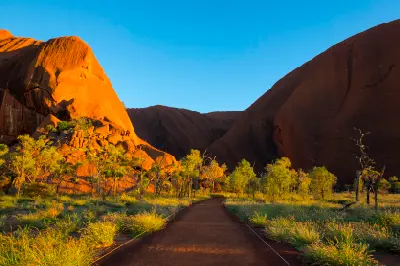
Uluru is reached by sealed roads within Uluru-Kata Tjuta National Park, with established viewing areas, walking routes and parking around the monolith. Park entry fees apply. Uluru is a culturally significant Aboriginal site, and some areas and features are culturally sensitive and must not be photographed. Climbing Uluru is permanently prohibited. Visitors should follow all signs and Aṉangu cultural guidance, and summer heat can restrict walking activities.