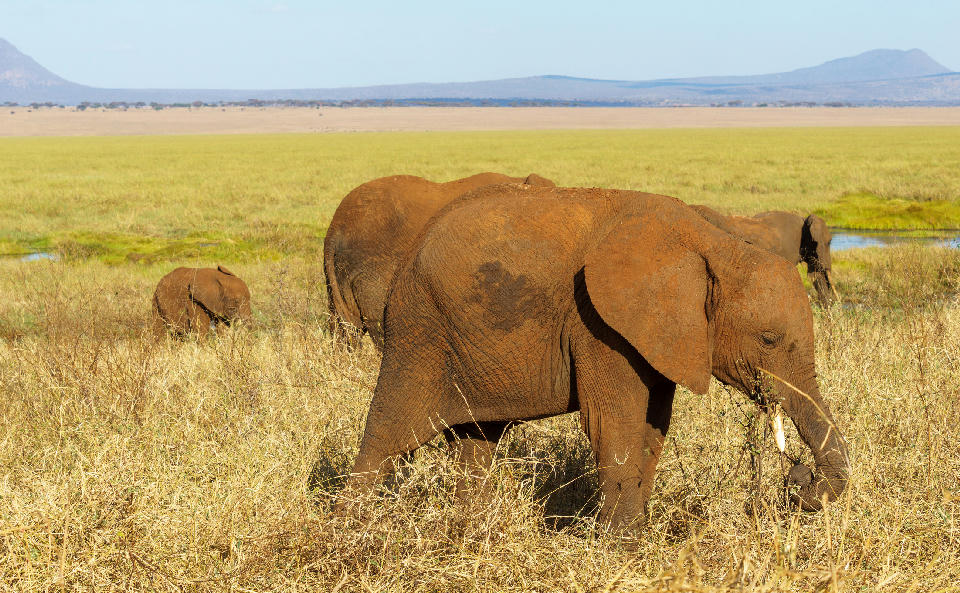
African elephants crossing the Silale Swamp in Tarangire National Park, Tanzania
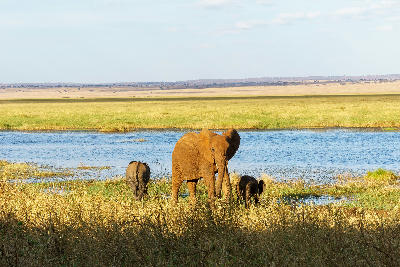
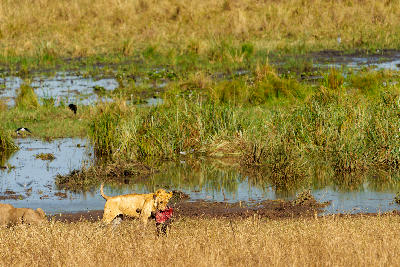
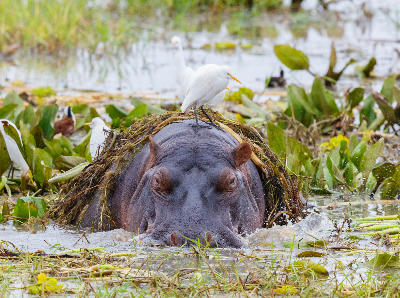
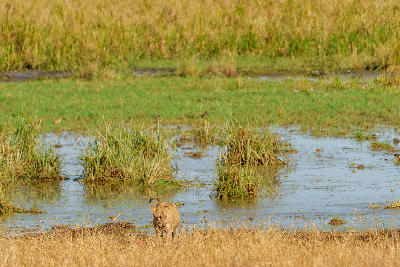
The Tarangire River is the lifeblood of Tarangire National Park, sustaining one of East Africa's greatest concentrations of wildlife during the dry season. As surrounding water sources disappear, elephants, buffalo, lions and countless other animals gather along its permanent waters, creating exceptional opportunities for wildlife photography.
-4.02070, 36.13716
Gallery
Quick Facts
Access
Roadside / Step-out
0–5 min
Elevation Gain
0 m
Best Light
Low-angle light enhances the swamp's open grasslands, soft reflections and wildlife, creating excellent contrast against scattered acacia trees.
Why This Light
Season
Seasonally Distinct
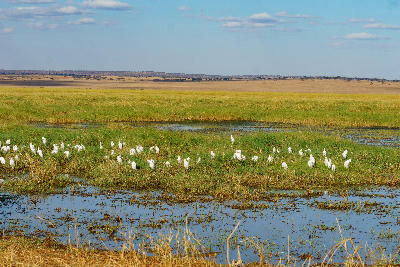
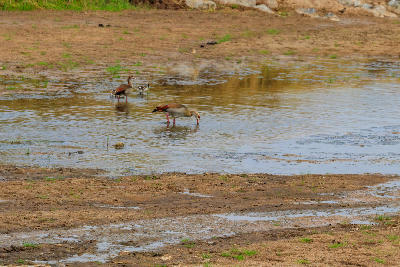
Silale Swamp changes dramatically with the seasons. During the dry months it attracts large concentrations of wildlife seeking remaining water and fresh grazing, while the wet season transforms the surrounding plains into lush grasslands supporting abundant birdlife.
Crowds
Usually Quiet
Restrictions
Access is by 4×4 safari vehicle on seasonal game-drive tracks. Road conditions vary after heavy rain, and wildlife movements determine the best photography opportunities throughout the year.