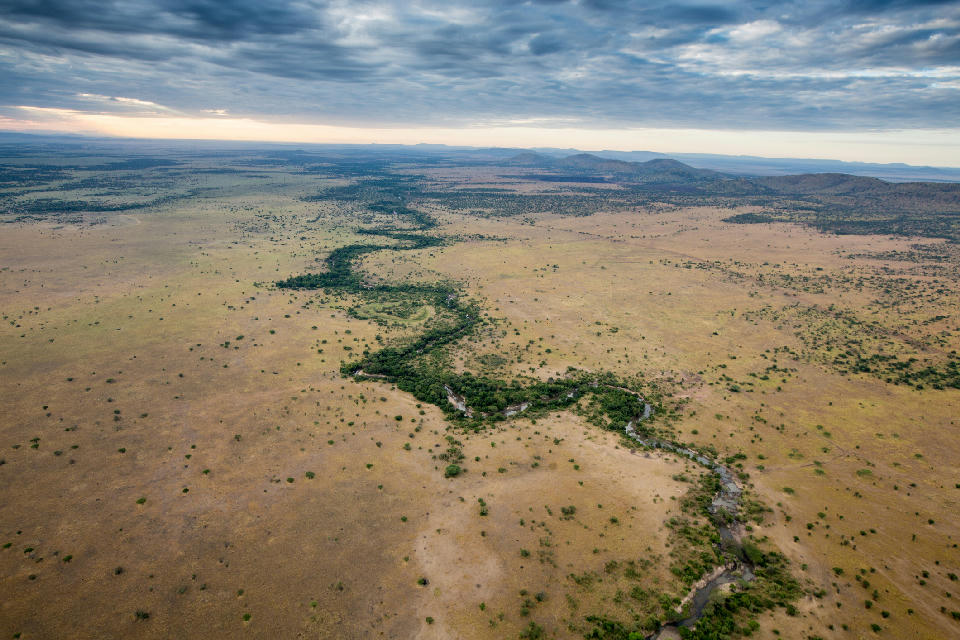
Aerial view of the Grumeti River winding through the western Serengeti savanna beneath dramatic storm clouds in Tanzania.
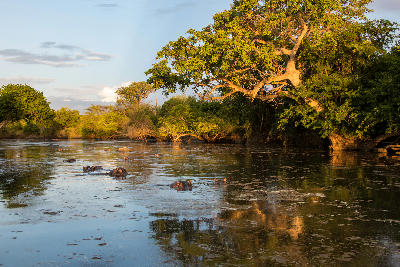
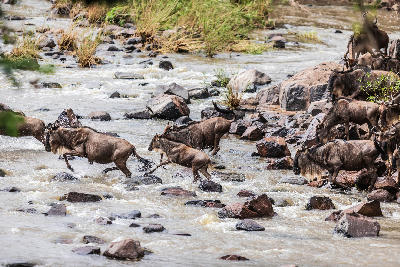
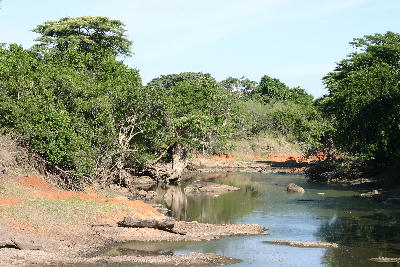
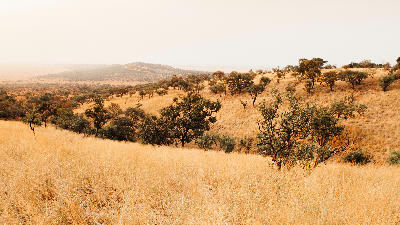
The Grumeti River is one of the Serengeti's most important wildlife corridors, renowned for its seasonal Great Migration crossings, enormous Nile crocodiles and riverine forests. Flowing through the park's western reaches, it offers a quieter and more intimate safari experience than the famous Mara River.
-2.21560, 34.39083
Gallery
Quick Facts
Access
Roadside / Step-out
0–5 min
Elevation Gain
0 m
Best Light
Morning light adds depth to the riverbanks and woodland, while overcast conditions soften contrast during migration crossings.
Why This Light
Season
Seasonally Distinct
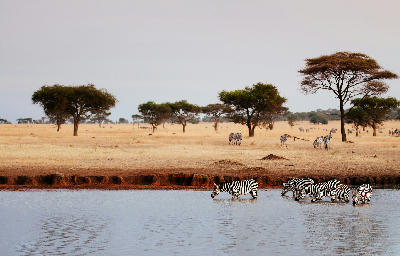
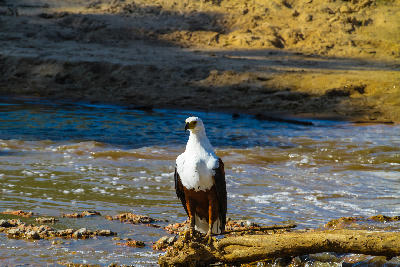
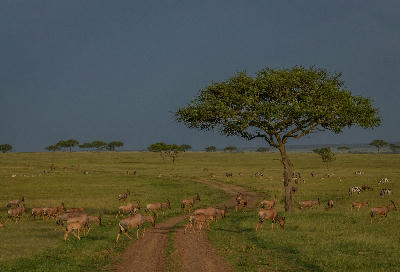
From May to July, migrating wildebeest and zebra cross the Grumeti River as they move westward through the Serengeti. Outside migration season, resident wildlife, large crocodiles and riverine habitats continue to provide rewarding photographic opportunities.
Crowds
Often Busy
Restrictions
Access is by 4×4 safari vehicle on established game-drive tracks. River crossings are unpredictable, and wildlife activity is concentrated along the Grumeti River and adjacent woodland.