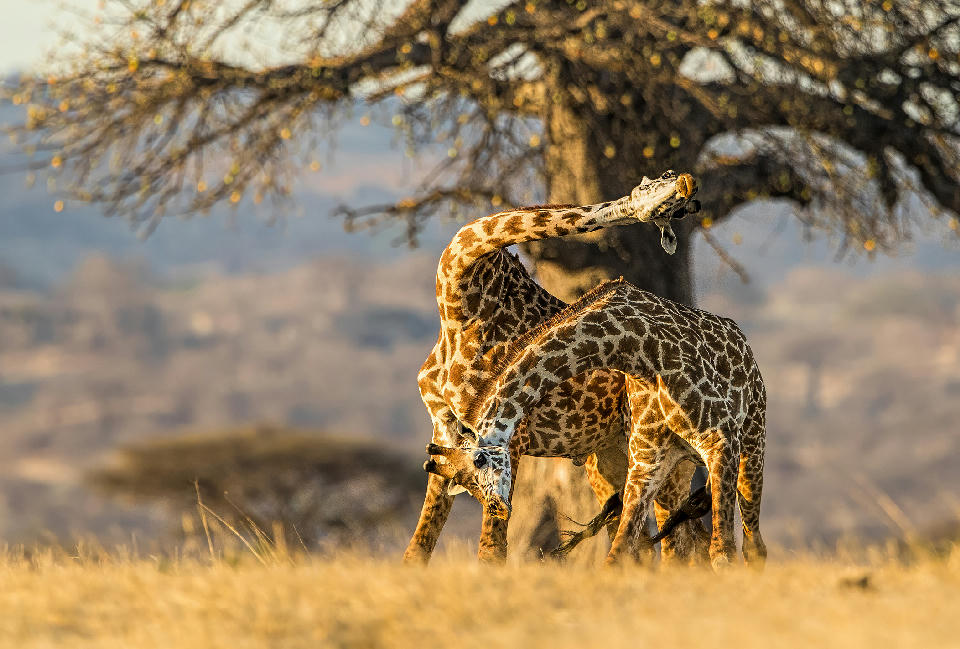
Two male giraffes engage in a necking contest to establish dominance during the breeding season in Ruaha National Park, Tanzania.
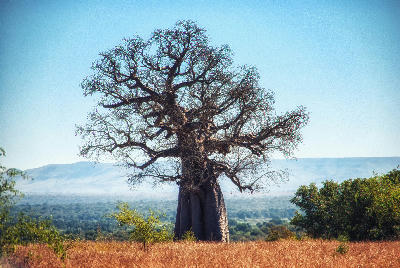
Ruaha National Park is Tanzania's largest national park and one of Africa's last great wilderness landscapes, where the Great Ruaha River, ancient baobab trees, rugged granite hills and vast miombo woodlands combine to create an extraordinary safari destination. Covering more than 20,000 km² in southern Tanzania, the park forms the heart of the greater Ruaha-Rungwa ecosystem and supports exceptional populations of elephants, predators and plains wildlife within one of East Africa's most remote protected areas. The landscape is shaped by the Great Ruaha River, which cuts through rocky escarpments, granite outcrops and broad baobab-dotted savannas before winding across extensive miombo woodland and seasonal river systems. During the dry season the river becomes the park's lifeline, sustaining permanent pools that attract wildlife from across the surrounding wilderness. Ancient baobabs dominate many ridgelines, while rolling hills, sandy riverbanks and open grasslands create a remarkable diversity of habitats that support one of Africa's richest predator ecosystems. Seasonal rainfall dramatically transforms the park. During the green season, miombo woodland bursts into life, seasonal rivers begin flowing and dramatic thunderstorms sweep across the landscape. As the dry season advances, vegetation thins and wildlife gathers along the Great Ruaha River, producing exceptional game viewing beneath warm golden skies. Dust, changing light and the park's immense sense of space continually reshape its photographic character throughout the year.
Gallery
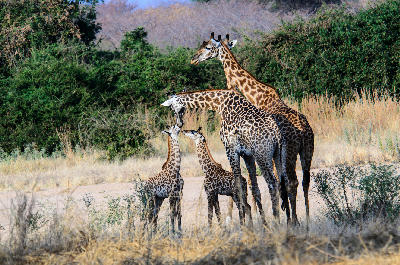
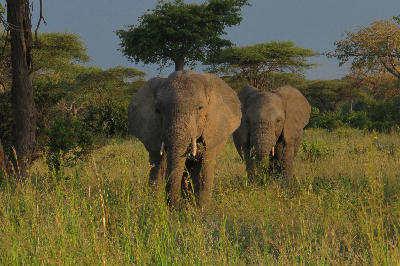
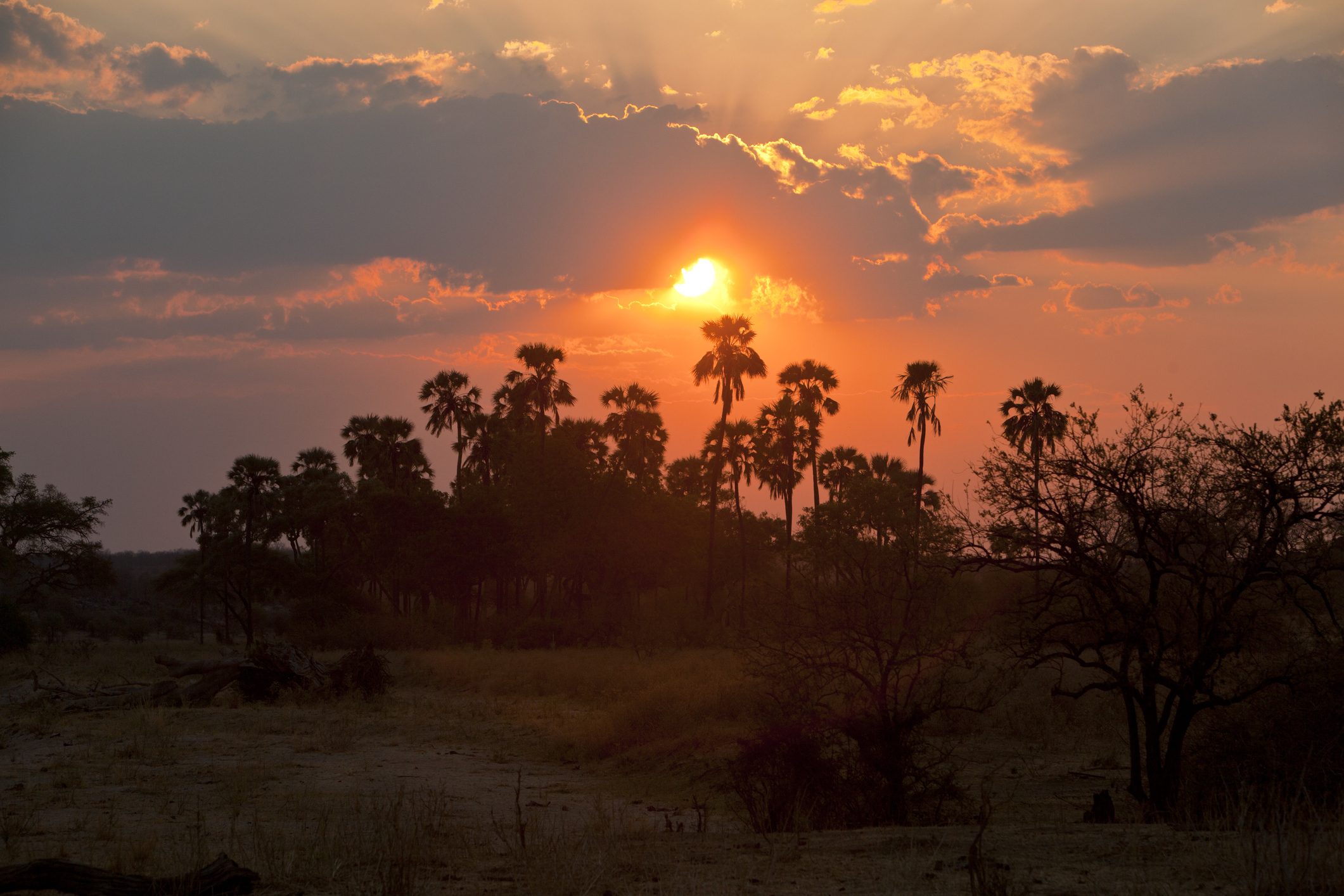
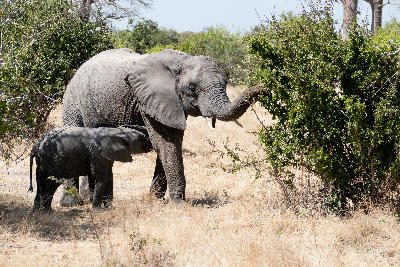
Key POIs in Ruaha National Park
Overview
Ruaha National Park is structured around the Great Ruaha River, the defining feature that shapes wildlife movement, vegetation and the park's dramatic scenery. Granite hills overlook winding river channels, ancient baobabs rise above open savannas and extensive miombo woodland stretches across much of the western and southern park. Seasonal riverbeds, rocky kopjes and broad sandy floodplains further diversify the landscape, creating one of East Africa's richest wilderness environments. Each habitat contributes its own distinctive photographic identity. The Great Ruaha River provides outstanding opportunities to photograph elephants, crocodiles, hippos and predators gathering along permanent water, while baobab-covered hills create some of Tanzania's most recognisable landscape compositions. Open grasslands support giraffes, buffalo, antelope and large carnivores, whereas the surrounding miombo woodland offers a quieter, more intimate wilderness rarely found elsewhere in East Africa. Together these contrasting habitats support extraordinary biodiversity across one of Africa's largest protected ecosystems. The visual character of Ruaha National Park is defined by rugged wilderness, monumental baobab trees and dramatic river landscapes beneath expansive African skies. Rocky escarpments overlook broad valleys, golden grasslands extend toward distant hills and dust illuminated by low-angle sunlight creates atmospheric wildlife scenes throughout the dry season. Combined with spectacular sunsets and frequent thunderstorm activity during the green season, Ruaha offers one of Tanzania's most distinctive photographic landscapes.
Key photography subjects
- The Great Ruaha River and river-based wildlife
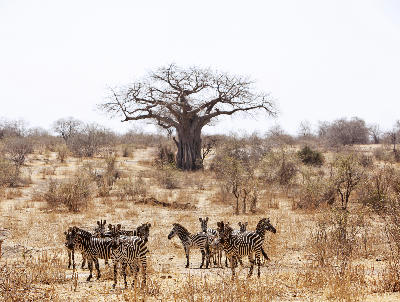
- Ancient baobab trees and rugged savanna landscapes
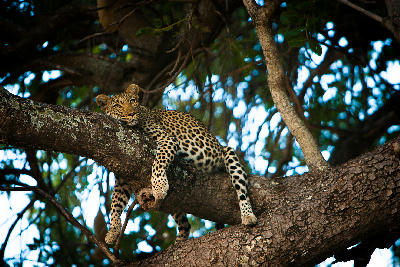
- Elephants, lions, leopards, wild dogs and abundant predators
- Granite kopjes, escarpments and rocky outcrops
- Miombo woodland and remote wilderness scenery
- Giraffes, buffalo and large concentrations of plains wildlife
- Golden sunrise light, dust, dramatic storms and African sunsets
Workshops in Ruaha National Park
No upcoming workshops scheduled for Ruaha National Park at this time.
Check back soon or explore other destinations.