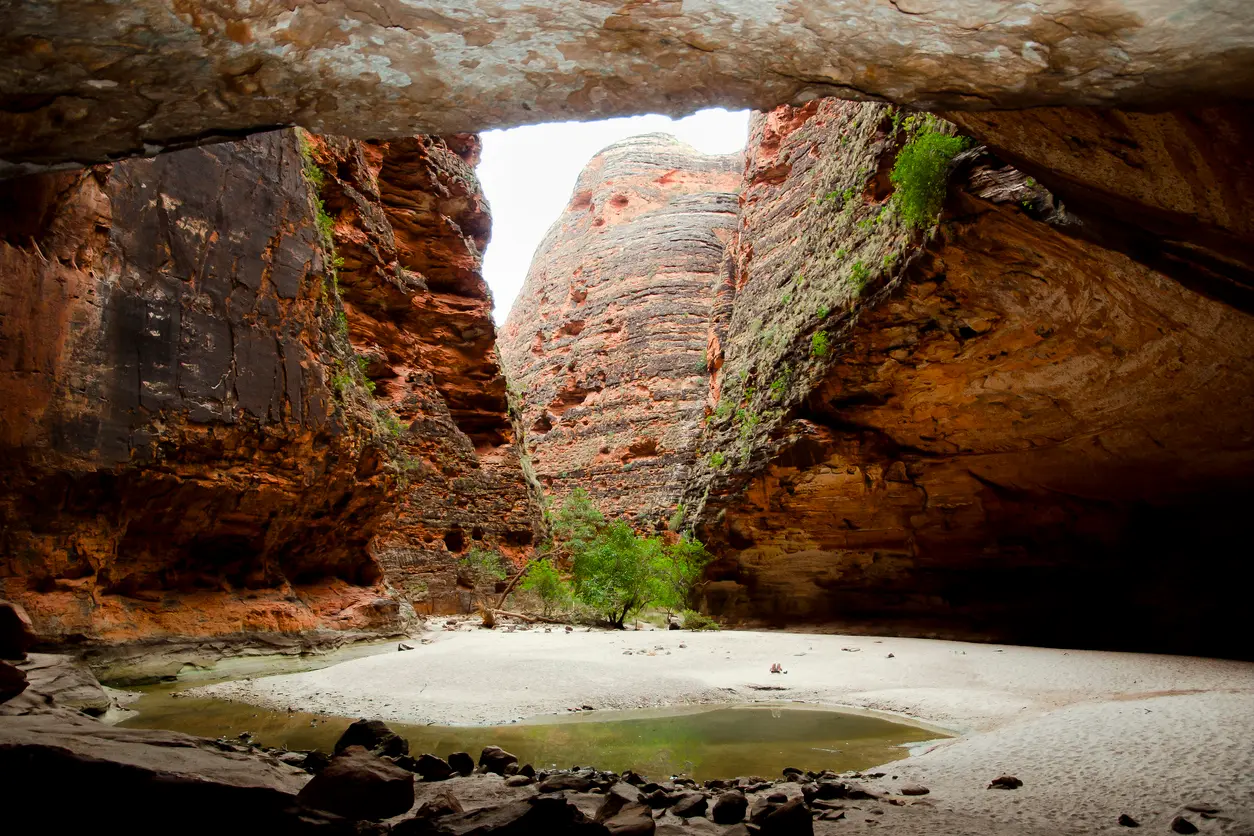
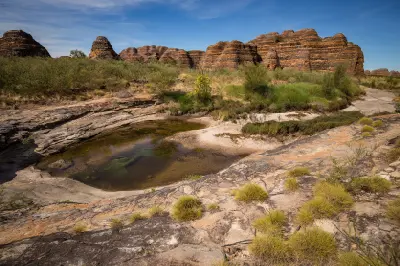
Cathedral Gorge in Purnululu National Park, Western Australia.
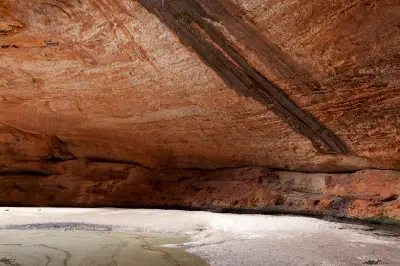
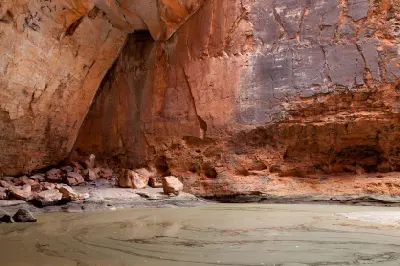
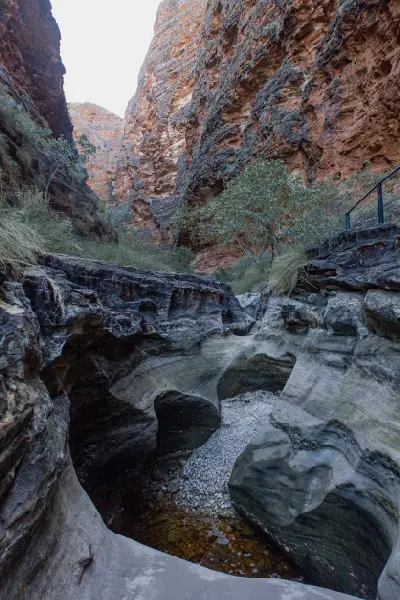
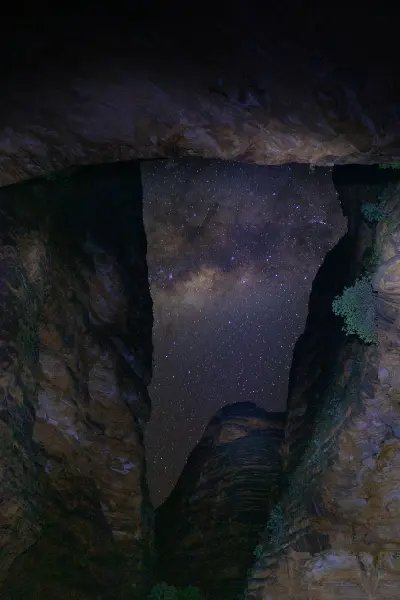
Cathedral Gorge is a large natural amphitheatre cut into the sandstone domes of the Bungle Bungle Range in Purnululu National Park. High curved walls enclose a broad chamber reached through a narrowing creek bed, with a seasonal pool forming at its base. The enclosed scale, layered sandstone and changing relationship between direct and reflected light provide distinctive opportunities for geological and landscape photography.
-17.48056, 128.37346
Gallery
Quick Facts
Access
Short Walk
15–45 min
Elevation Gain
30 m
Best Light
Soft light controls contrast inside the amphitheatre, while seasonal water can reflect the surrounding sandstone walls.
Why This Light
Season
Seasonally Distinct
Summer brings seasonal water, greener vegetation and darker wet sandstone during the Kimberley wet season. Winter brings a drier creek bed, golden vegetation and stronger warm tones across the exposed sandstone walls.
Crowds
Often Busy
Restrictions
Cathedral Gorge is reached from the Piccaninny Creek trailhead in the southern Bungle Bungles via an established walking track through sandstone formations and creek beds. Access to Purnululu National Park is normally seasonal and involves a rough 4WD road. Trail and road conditions can change after rain, so current park access should be checked before travelling.