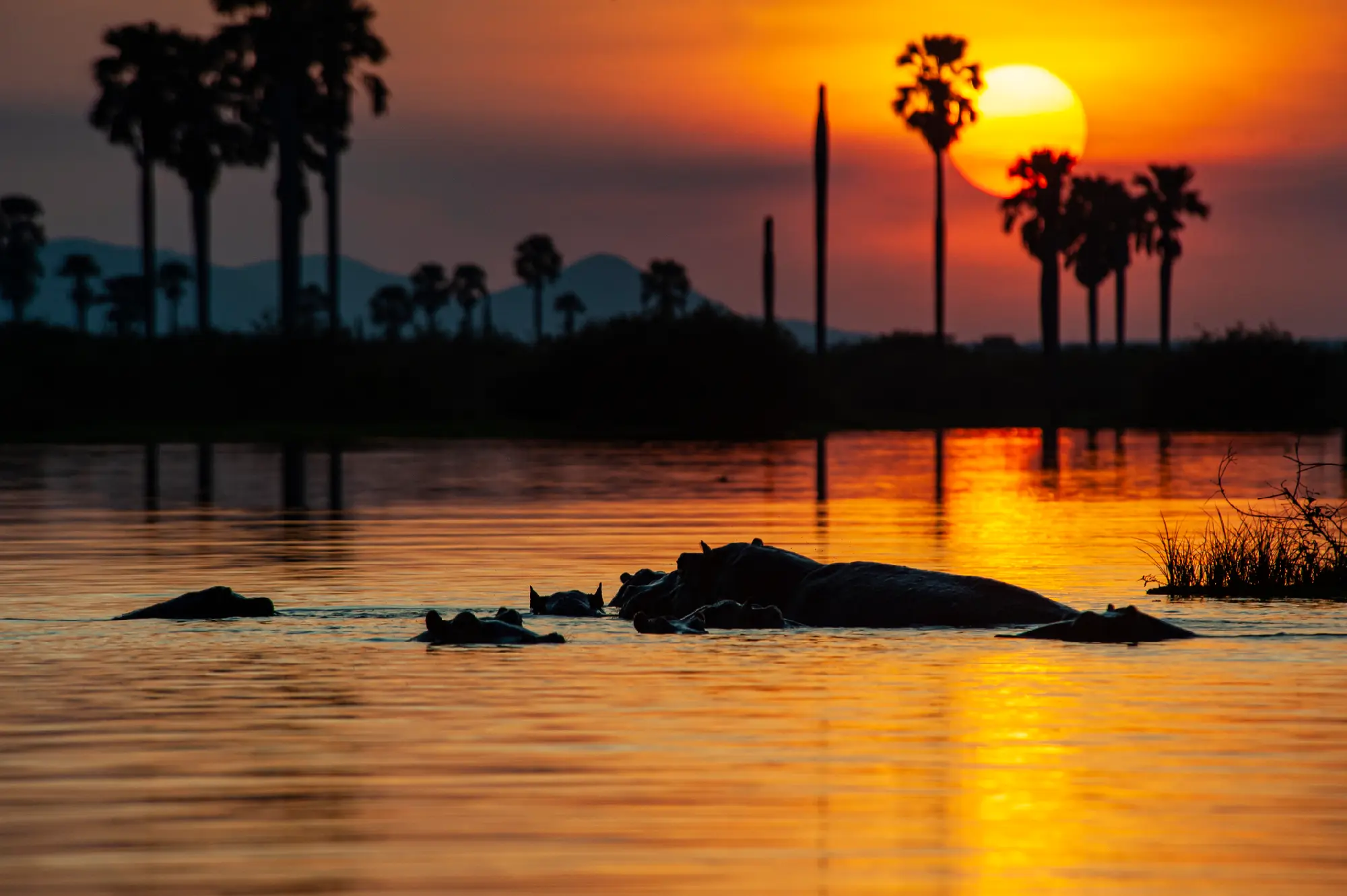
Hippos gather in Lake Manze beneath a spectacular sunset in Nyerere National Park, Tanzania.
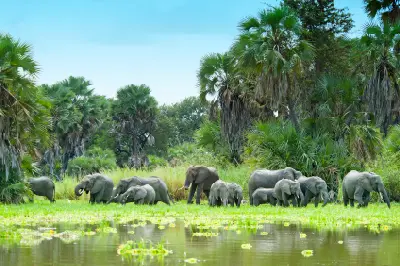
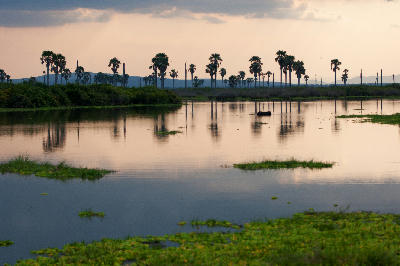
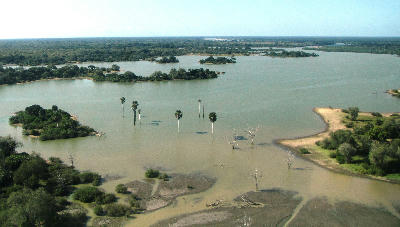
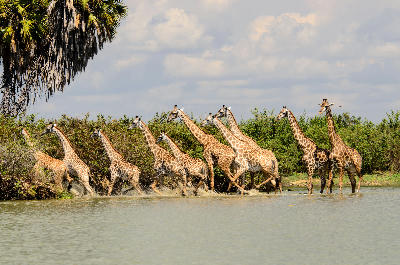
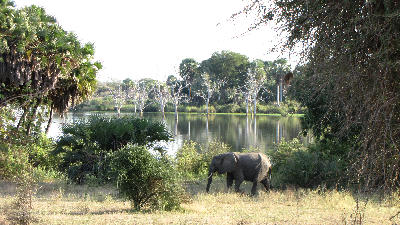
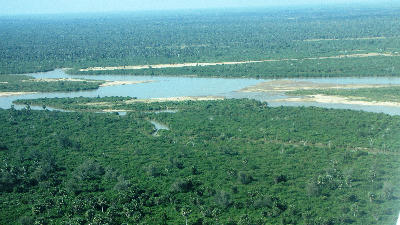
Lake Manze is one of Nyerere National Park's premier wildlife viewing and photography locations, where permanent water attracts exceptional concentrations of animals throughout the year. Fringed by reeds, floodplains and riverine woodland, the lake offers outstanding opportunities to photograph wildlife in a tranquil wetland setting.
-7.65864, 38.04486
Gallery
Quick Facts
Access
Roadside / Step-out
0–5 min
Elevation Gain
0 m
Best Light
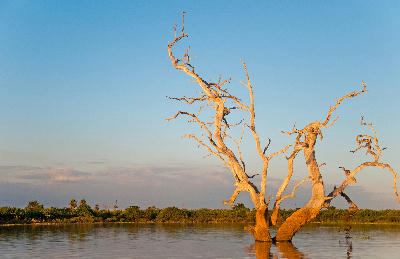
Light works best at sunrise and sunset because calm conditions produce reflections before stronger winds disturb the water.
Why This Light
Season
Seasonally Distinct
The dry season concentrates wildlife around the lake as surrounding water sources diminish, creating exceptional wildlife viewing. During the wet season, rising water levels expand the surrounding wetlands, attracting large numbers of waterbirds and transforming the landscape.
Crowds
Usually Quiet
Restrictions
Lake Manze is reached by game drive within Nyerere National Park and is also visited during some guided boat safaris. Access requires park entry permits and is typically arranged through safari operators.