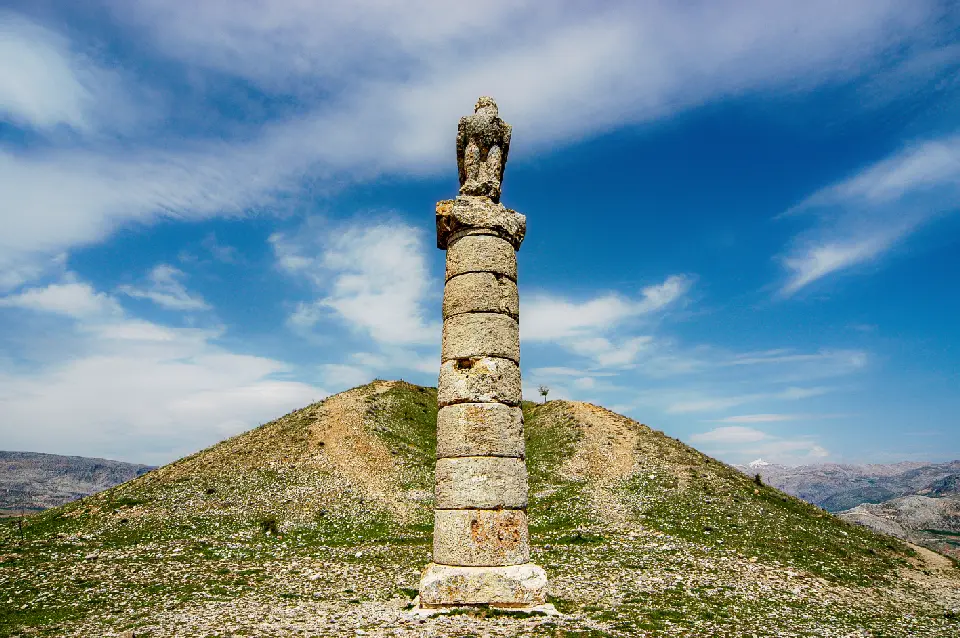
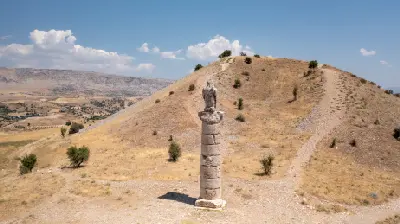
Eagle-topped column rises beside the Karakuş Tumulus, a royal Commagene burial monument near Mount Nemrut, Turkey.
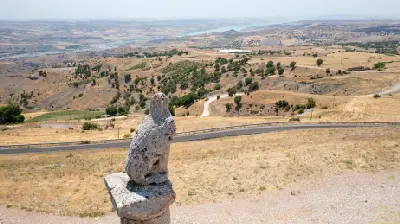
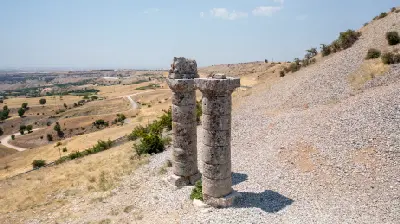
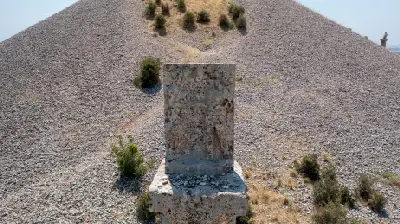
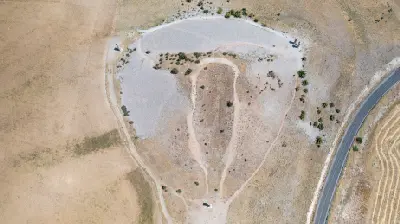
Karakuş Tumulus is a Commagene royal burial monument set on an exposed hilltop near Mount Nemrut in southeastern Turkey. Built in the 1st century BC for female members of the Commagene royal family, the site originally consisted of a large burial mound surrounded by monumental columns. Several columns survive today, including one crowned by an eagle sculpture that gives the monument its name, meaning “Black Bird”. The open setting provides expansive views across the surrounding plains and mountains.
37.86931, 38.58792
Gallery
Quick Facts
Access
Roadside / Step-out
0–5 min
Elevation Gain
10 m
Best Light
Low directional light reveals texture across the ancient columns and burial mound while creating long shadows across the exposed hilltop.
Why This Light
Season
Seasonally Distinct
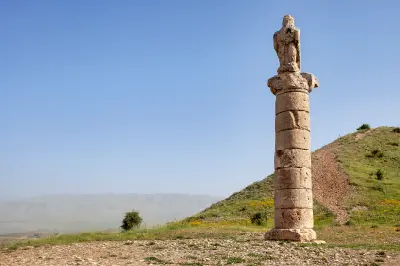
Spring brings green vegetation and wildflowers around the burial mound, while summer produces a dry, exposed landscape. Autumn introduces warmer tones across the surrounding plains, while winter can bring colder conditions and occasional snow.
Crowds
Usually Quiet
Restrictions
Karakuş Tumulus is reached directly by road as part of the wider Mount Nemrut and Commagene archaeological circuit. The surviving columns and burial mound require only a short walk across open, uneven ground, with little significant elevation gain.