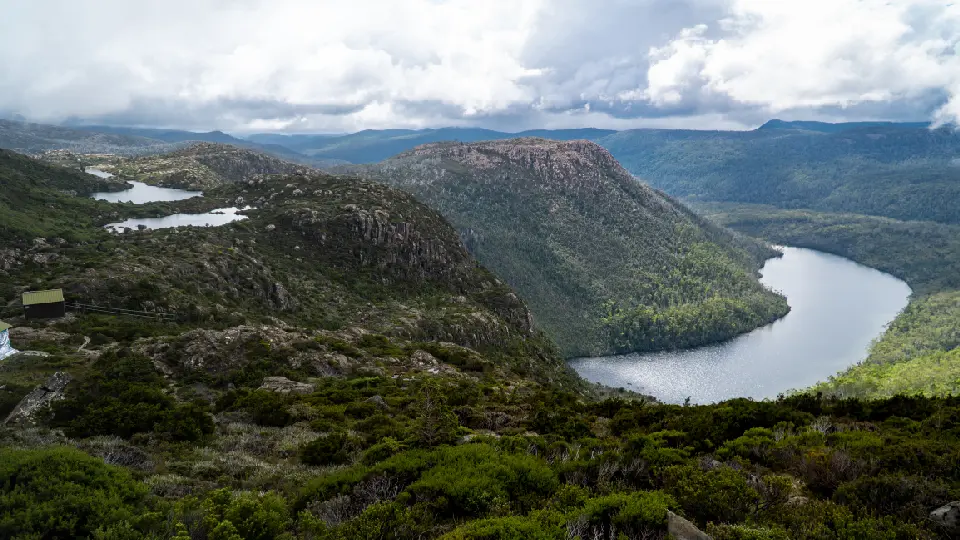
Tarn Shelf hiking trail crossing the misty alpine highlands of Mount Field National Park, Tasmania.
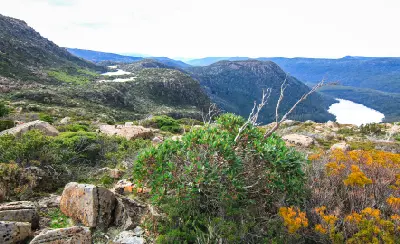
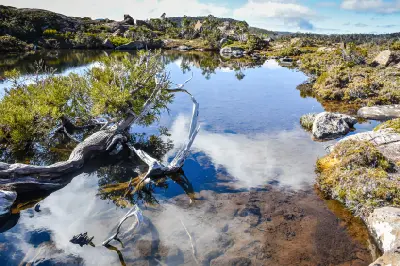
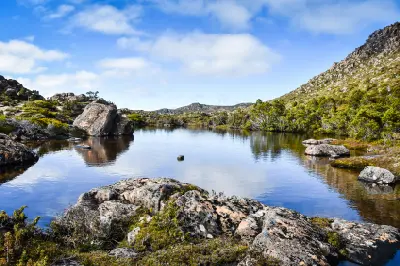
Tarn Shelf is an alpine plateau above Lake Dobson in Mount Field National Park, characterised by a chain of small glacial tarns beneath rugged dolerite slopes. The exposed highland landscape combines alpine heath, weathered rock and pockets of Tasmania's deciduous fagus, which can produce striking autumn colour. Snow, mist and rapidly changing mountain weather create a markedly different photographic environment from the temperate rainforest and waterfalls at lower elevations within Mount Field.
-42.66968, 146.56397
Gallery
Quick Facts
Access
Moderate Hike
90–180 min
Elevation Gain
300 m
Best Light
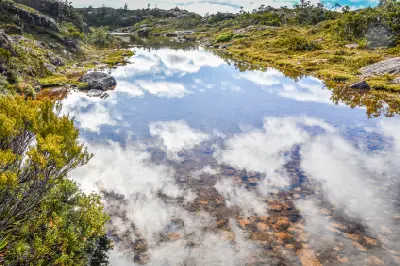
Low-angle light defines the dolerite slopes and alpine vegetation, while calm conditions can produce reflections across the small mountain tarns.
Why This Light
Season
Seasonally Distinct
Summer provides longer daylight and generally easier hiking conditions, while autumn brings the distinctive colour change of deciduous fagus. Winter commonly brings snow and ice, while spring remains variable with lingering snow possible across the plateau.
Crowds
Usually Quiet
Restrictions
Tarn Shelf is reached from the Lake Dobson area of Mount Field National Park via mountain walking tracks. Reaching the shelf requires sustained hiking and climbing through exposed alpine terrain, with snow, ice, strong wind and rapidly changing weather increasing difficulty outside favourable conditions.