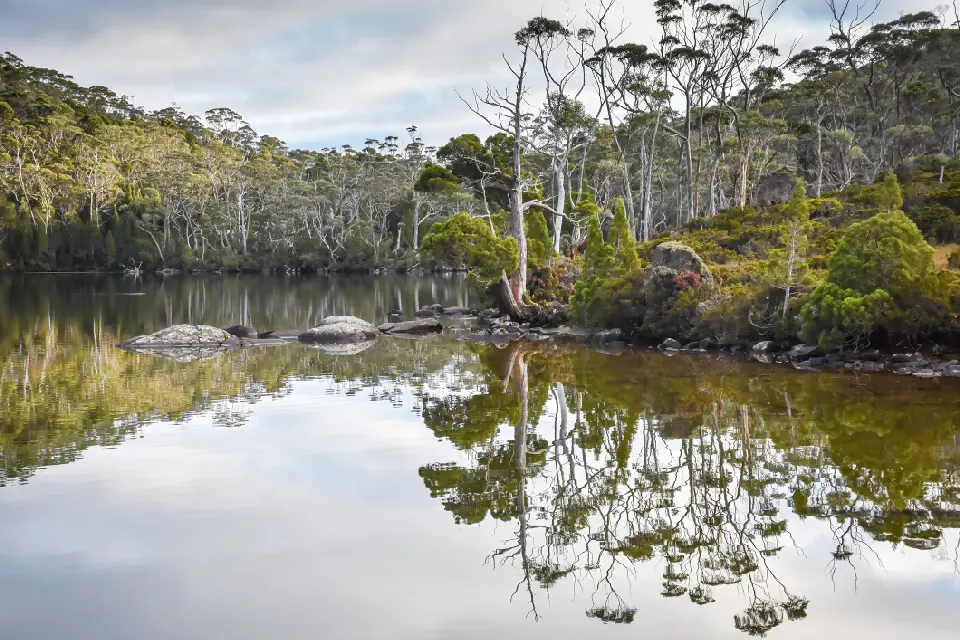
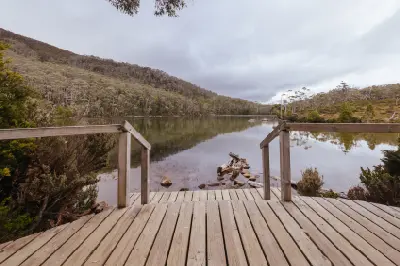
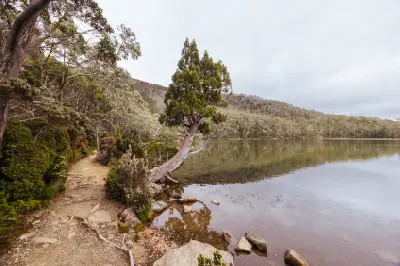
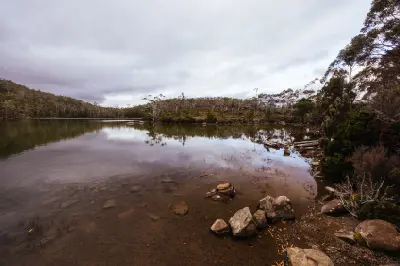
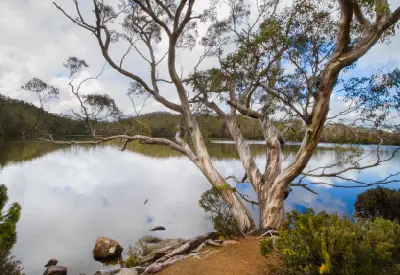
Autumn reflections across the calm waters of Lake Dobson in Mount Field National Park, Tasmania.
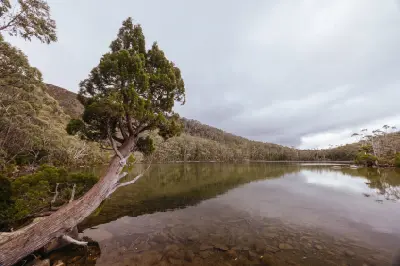
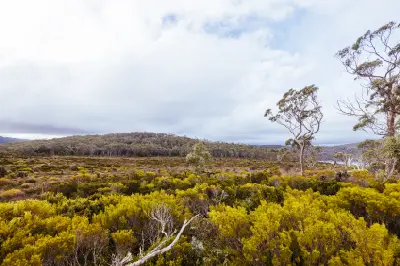
Lake Dobson is a small alpine lake in the upper reaches of Mount Field National Park, surrounded by subalpine forest, heath and rugged highland terrain. Sitting at the end of the park's mountain road, the lake marks the transition from the dense temperate rainforest of lower Mount Field to its exposed alpine landscapes. Pencil pines, pandani and other distinctive Tasmanian vegetation line the shoreline, while nearby trails continue towards Tarn Shelf and the higher mountains.
-42.68385, 146.59155
Gallery
Quick Facts
Access
Short Walk
5–15 min
Elevation Gain
10 m
Best Light
Calm conditions create reflections across the sheltered lake, while soft light preserves detail and colour throughout the surrounding subalpine vegetation.
Why This Light
Season
Seasonally Distinct
Summer brings green alpine vegetation and generally easier access, while autumn introduces colour to nearby deciduous fagus. Winter frequently brings snow and ice around the lake, while spring remains variable with lingering snow possible at elevation.
Crowds
Usually Quiet
Restrictions
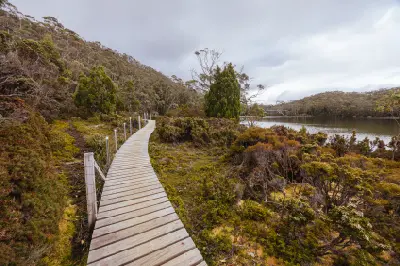
Lake Dobson is reached by a mountain road from the lower section of Mount Field National Park, followed by a short walk from the parking area. The road is narrow and winding, and snow or ice can affect access during winter. A valid Tasmania Parks Pass is required for vehicle entry to the national park.