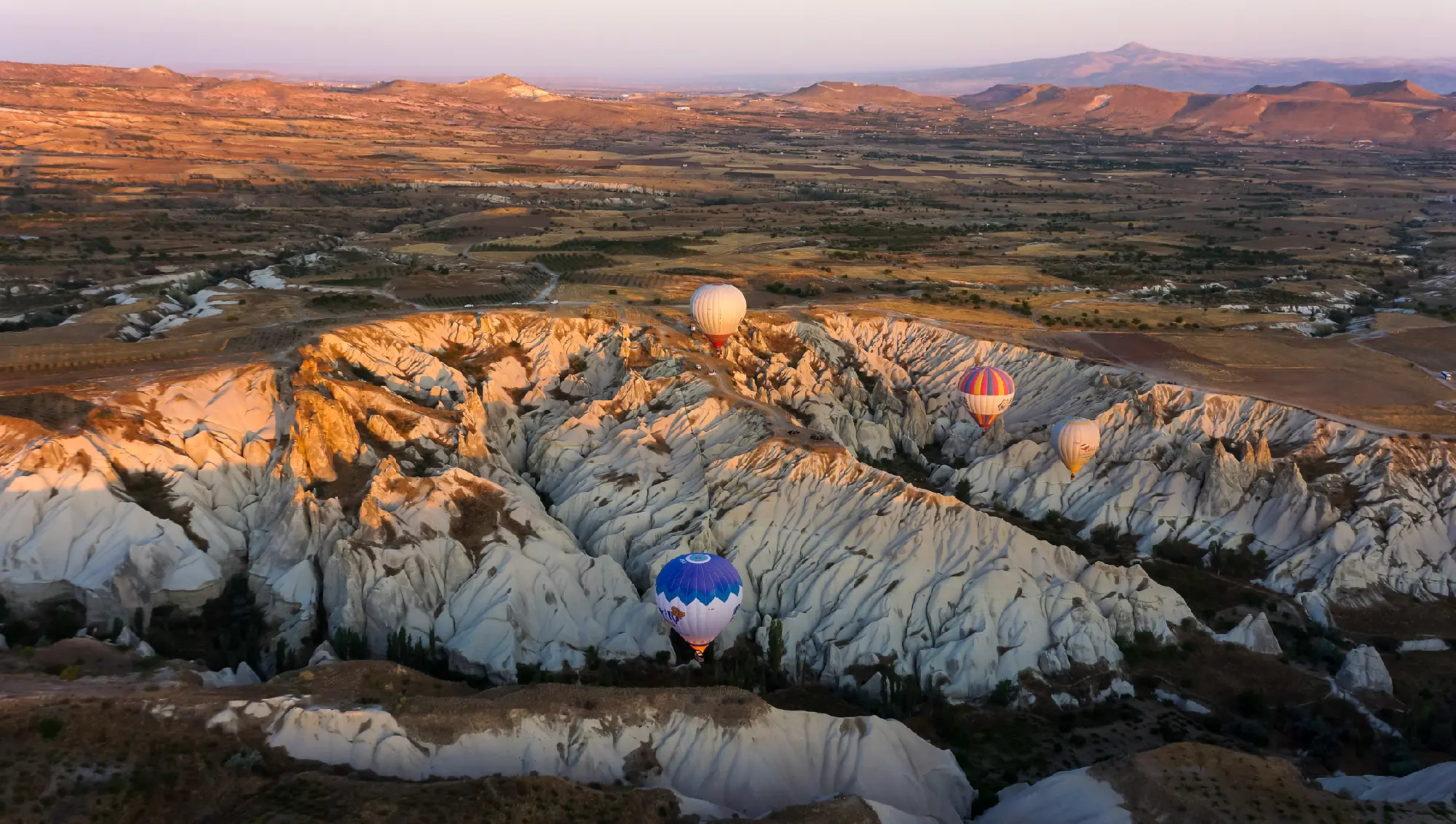
Hot air balloons drift above White Valley as sunrise illuminates Cappadocia’s pale volcanic ridges.
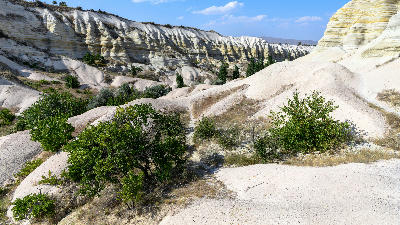
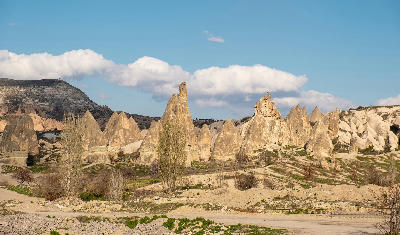
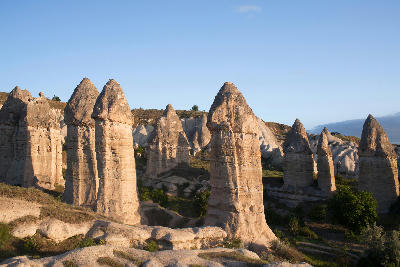
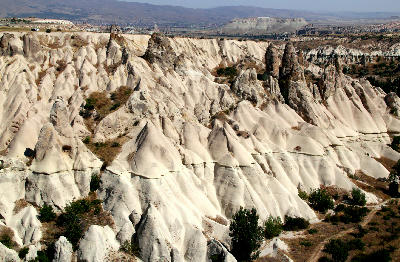
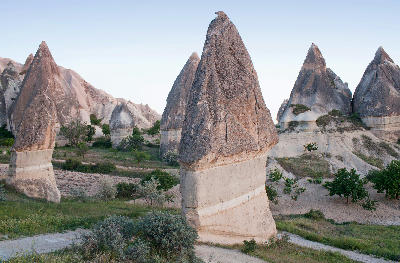
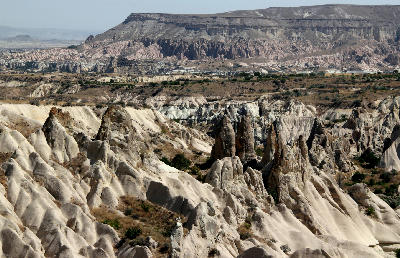
White Valley is an eroded volcanic valley near Uçhisar, characterised by pale tuff cliffs, narrow gullies and sculpted rock formations. The light-coloured volcanic deposits give the valley a noticeably different appearance from the red and rose-toned landscapes elsewhere in Cappadocia. Trails descend between exposed ridges, fairy chimneys and weathered formations before connecting with neighbouring Love Valley. Its open terrain provides clear views of the geological layers created by prolonged erosion.
38.64653, 34.81761
Gallery
Quick Facts
Access
Moderate Hike
45–90 min
Elevation Gain
150 m
Best Light
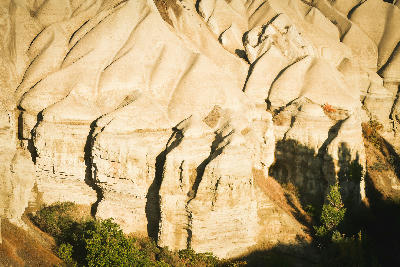
Low-angle light reveals subtle textures in the pale volcanic rock while creating shadows that separate the valley's ridges and eroded formations.
Why This Light
Season
Year-Round Stable
Spring and autumn generally provide mild temperatures and comfortable conditions for walking through the exposed valley. Winter can bring snow across the pale formations, while summer is typically hot and dry with strong contrast under midday light.
Crowds
Usually Quiet
Restrictions
White Valley can be reached from trails near Uçhisar and is commonly explored as part of a longer route connecting towards Love Valley. The terrain includes uneven paths, loose volcanic surfaces and steeper sections, with limited shade along much of the route.