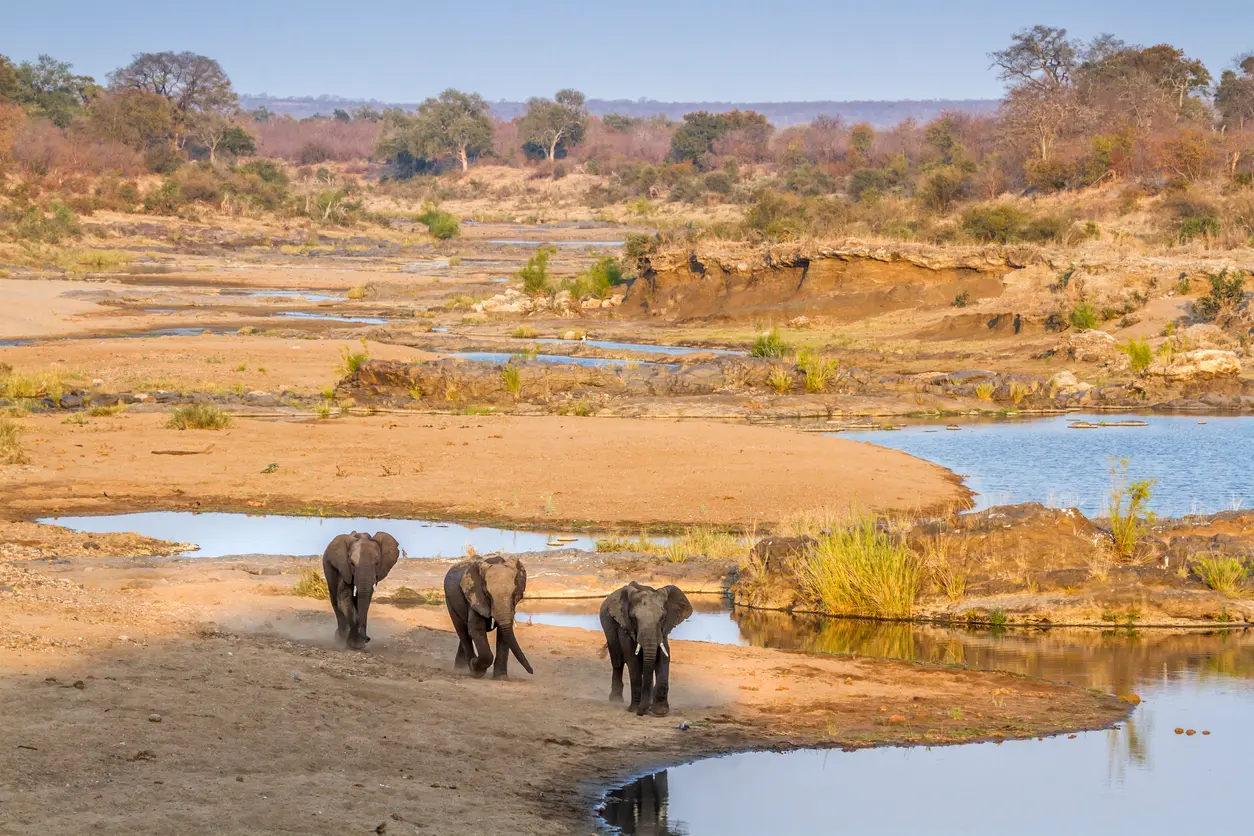
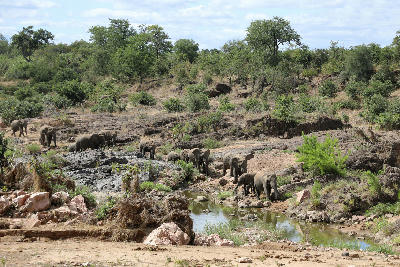
African elephants move along a sandy river channel in central Kruger National Park, where seasonal rivers attract wildlife throughout the dry season.
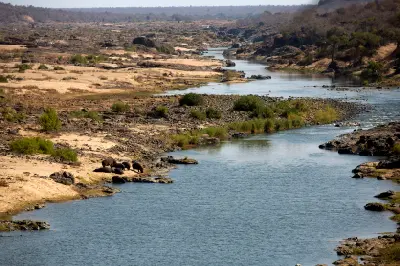
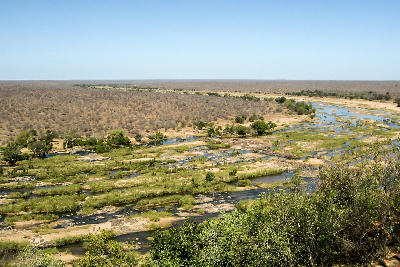
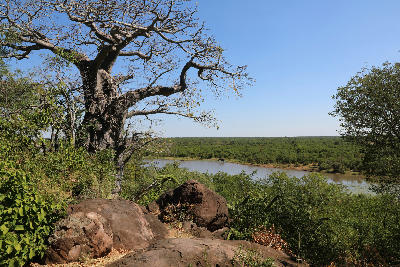
Kruger Central & North forms a vast wilderness landscape across the central and northern reaches of Kruger National Park in northeastern South Africa. The region includes the Olifants, Letaba, Shingwedzi and Luvuvhu river systems, extensive mopane woodlands, open savanna plains, and some of the most remote wilderness environments within the park. The terrain is defined by broad river valleys, ancient geological surfaces, seasonal drainage systems, scattered rocky outcrops, and expansive woodland ecosystems extending towards the Limpopo and Mozambique borders. Large distances separate many of the major landscape features, creating a stronger sense of scale and remoteness than the southern sections of the park. Seasonal rainfall influences river flow, vegetation density, wildlife distribution, and atmospheric conditions throughout the region. Dry winter conditions expose open landscapes and concentrated wildlife activity around water sources, while summer rains transform the bushveld into a greener and more densely vegetated environment.
Gallery
Key POIs in Kruger Central & North
Overview
Kruger Central & North is structured around a network of major river systems flowing eastward across broad savanna and woodland landscapes. The Olifants, Letaba, Shingwedzi and Luvuvhu Rivers form the dominant geographic corridors, linking extensive wilderness areas across the northern half of the park. Each river system supports distinct ecological environments with strong relationships between water, vegetation, geology, and wildlife movement. River valleys provide focal points within vast woodland and savanna landscapes, while surrounding plains, seasonal drainage systems, and scattered rocky outcrops create variety across the broader terrain. The visual structure of the region is defined by alternating bands of riverine woodland, mopane veld, open grassland, rocky outcrops, and distant horizons. Wildlife concentrations, seasonal vegetation changes, dust, storms, and shifting light conditions continually alter the appearance of the landscape while preserving its character as one of Africa's largest protected wilderness systems.
Key photography subjects
- Vast wilderness landscapes and distant horizons
- Major river systems and seasonal watercourses
- Mopane woodland and northern bushveld scenery
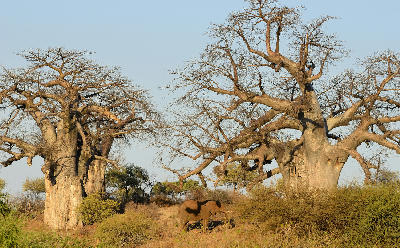
- Baobab trees and ancient geological landscapes
- Wildlife within expansive natural habitats
- Dust, storms, and atmospheric safari conditions
- Golden sunrise and sunset light across open savanna
Workshops in Kruger Central & North
No upcoming workshops scheduled for Kruger Central & North at this time.
Check back soon or explore other destinations.