
01
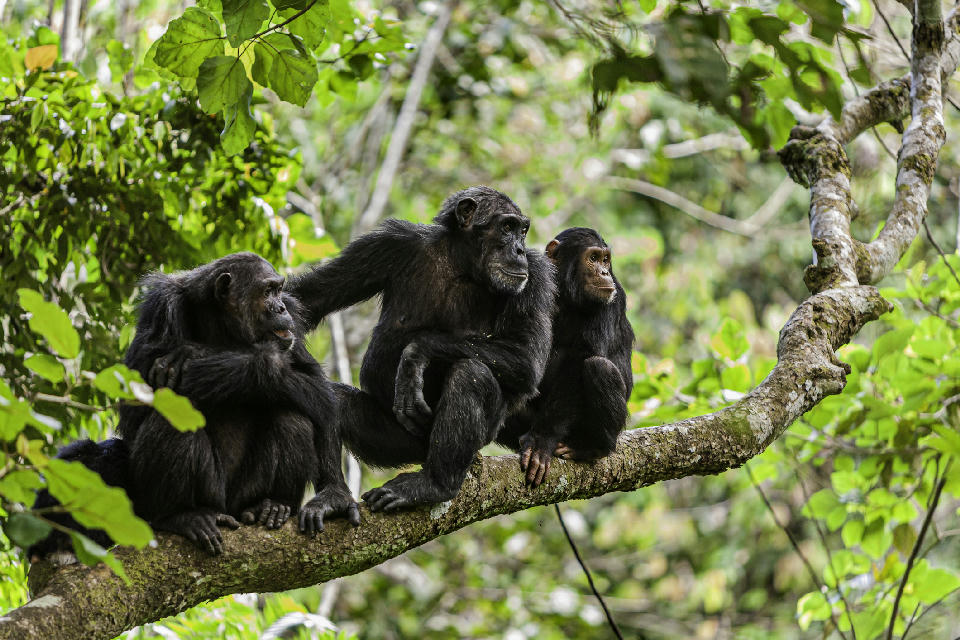
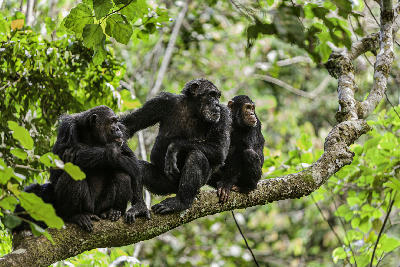
Wild chimpanzee family resting on a forest branch in Mahale Forest, Tanzania.
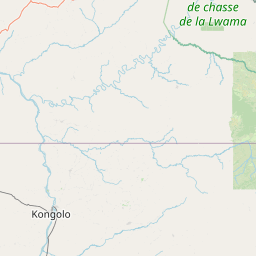
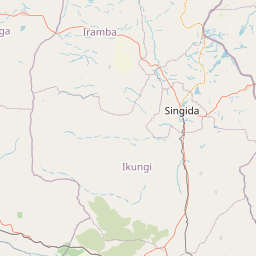
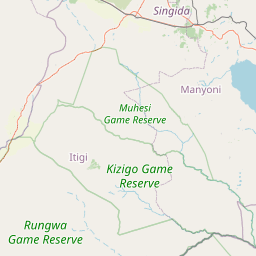
Western Tanzania
Western Tanzania is one of Africa's most remote and least-visited wilderness regions, where vast miombo woodlands, the eastern shores of Lake Tanganyika, rugged escarpments and isolated river valleys combine to create an extraordinary landscape of biodiversity and natural beauty. Best known for its wild chimpanzee habitats, immense protected areas and untouched forests, the region offers a completely different photographic experience from Tanzania's famous northern safari circuit.
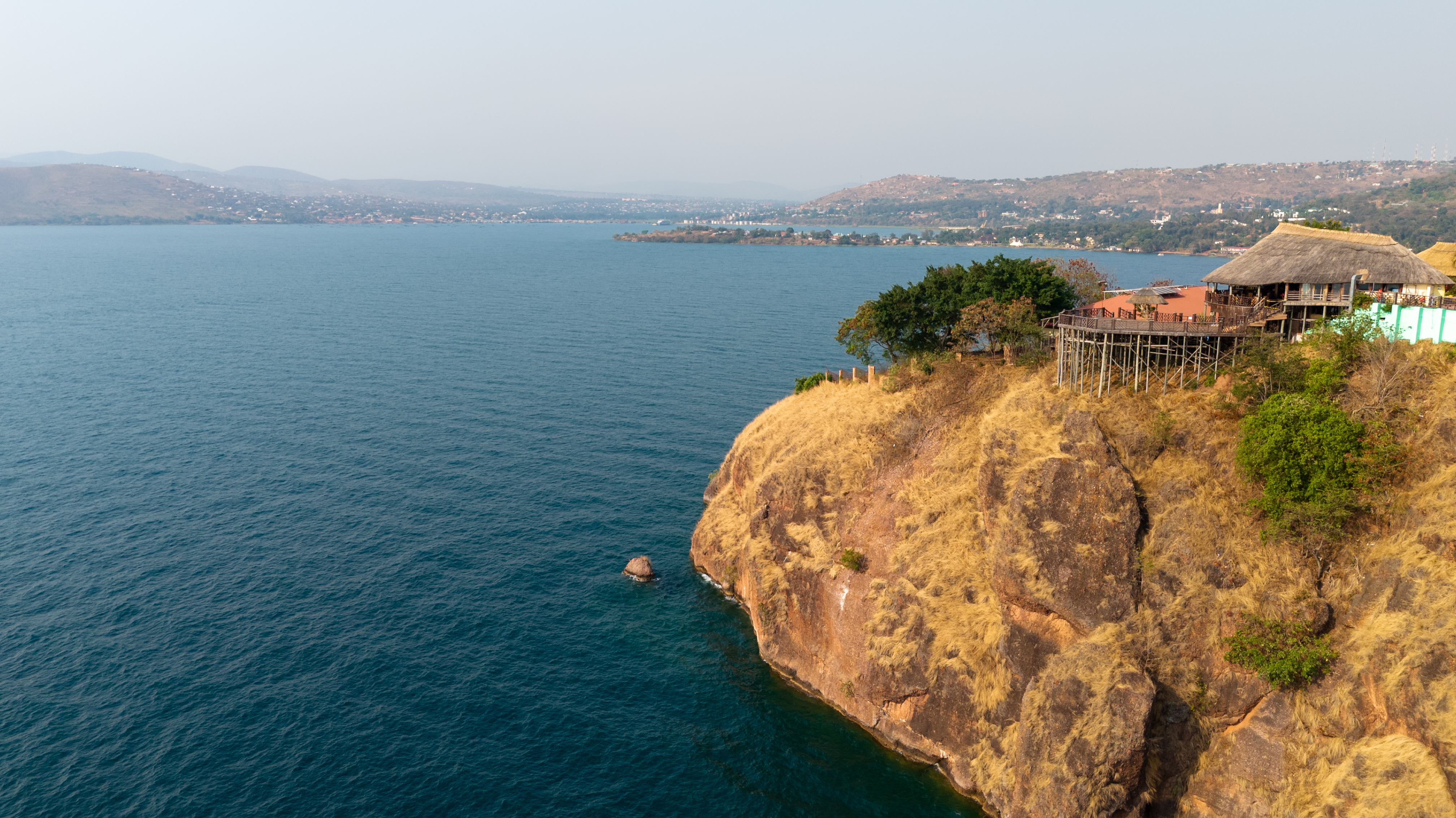
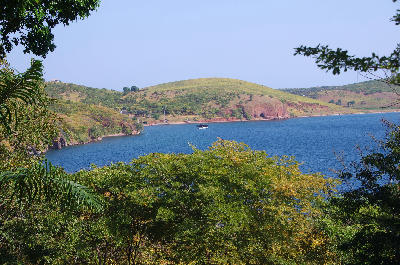
The landscape is shaped by the western branch of the East African Rift System, where ancient tectonic forces created steep escarpments, deep valleys and the immense basin of Lake Tanganyika, the world's longest freshwater lake and second deepest. Extensive miombo woodland dominates much of the interior, while mountain forests, river systems and remote floodplains support diverse ecosystems that remain among the least disturbed in East Africa. Together these landscapes preserve one of the continent's last great wilderness frontiers.
Seasonal variation influences vegetation, wildlife activity and atmospheric conditions throughout the year. The dry season brings clear visibility, golden woodland scenery and excellent conditions for wildlife viewing, while the rainy season transforms the forests and woodlands with lush vegetation, flowing rivers and dramatic thunderstorm skies. Along Lake Tanganyika, changing light and seasonal mist create constantly evolving photographic opportunities.
Geographic discovery
Explore Western Tanzania by Area
Choose a part of Western Tanzania to discover its landscapes, photographic character, and locations.
Explore Areas in Western Tanzania
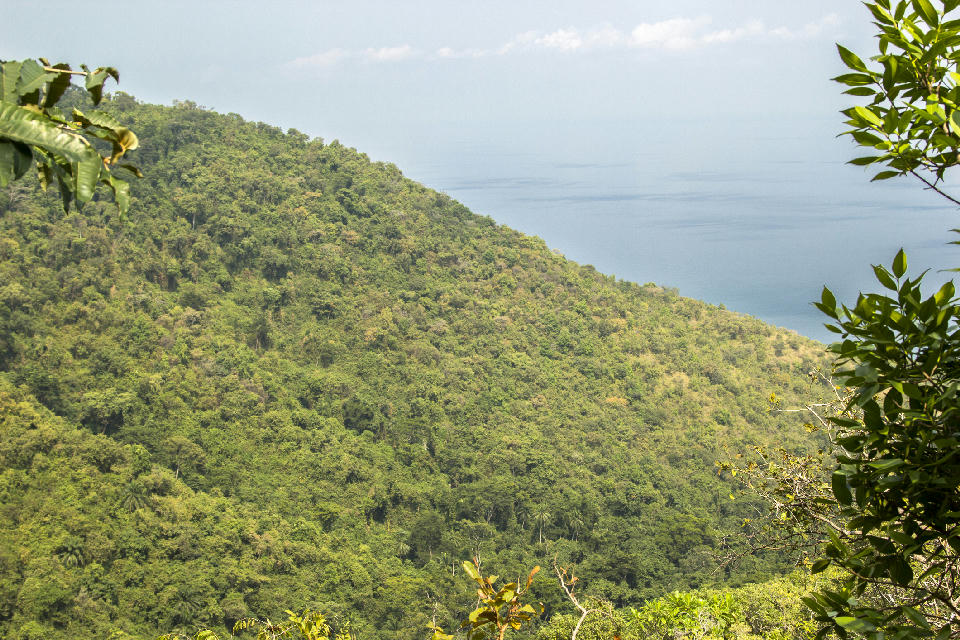
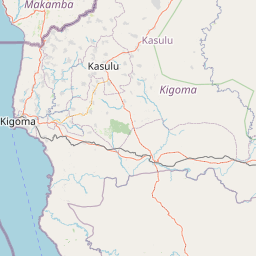
Gombe National Park
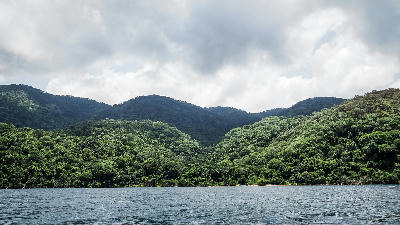
Gombe National Park is structured around a series of steep forested ridges separated by narrow stream valleys that descend toward Lake Tanganyika. The park's tropical rainforest covers the mountain slopes, while clear streams carve deep ravines through the landscape before emerging onto small lakeshore beaches. Elevated viewpoints such as Jane's Peak overlook the forest canopy and the immense blue waters of Lake Tanganyika, while trails leading through Kakombe Valley and Kakombe Waterfall reveal the park's rich biodiversity and remarkable scenery. Each habitat contributes a distinctive photographic character. Dense rainforest provides opportunities to photograph wild chimpanzees and other forest primates beneath towering trees, while waterfalls, clear streams and lush vegetation create intimate woodland landscapes. Along the lakeshore, sandy beaches, fishing boats and crystal-clear water contrast beautifully with the forested mountains rising directly above the shoreline. Together these environments create a unique blend of rainforest, freshwater and mountain scenery rarely encountered elsewhere in Africa. The visual character of Gombe National Park is defined by steep green mountains, dense tropical forest and the shimmering waters of Lake Tanganyika stretching toward the distant mountains of the Democratic Republic of the Congo. Forest trails, hidden waterfalls, mist-filled valleys and warm evening light filtering through the canopy continually reshape the landscape, creating exceptional opportunities for both wildlife and landscape photography.
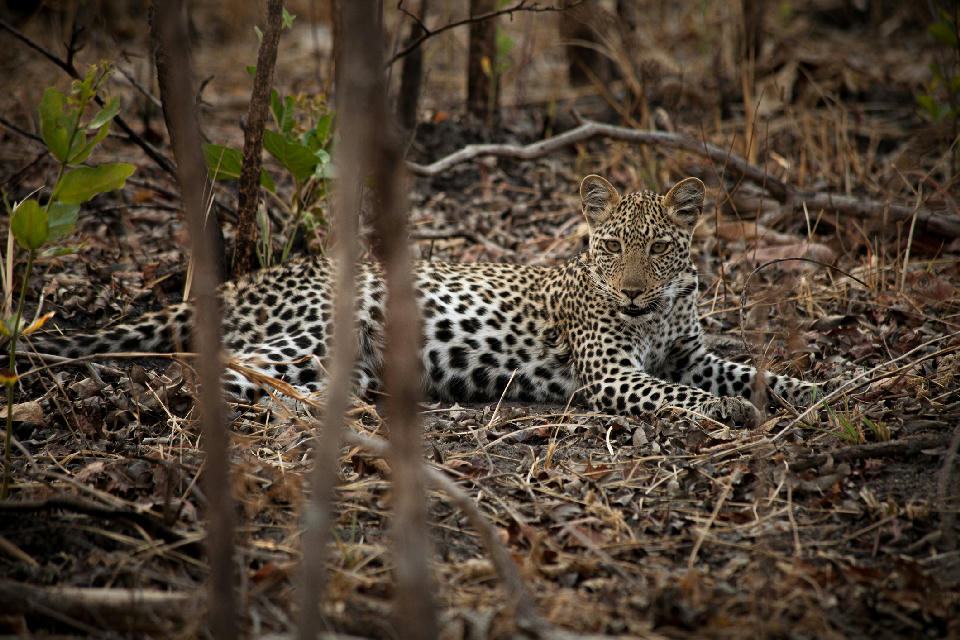
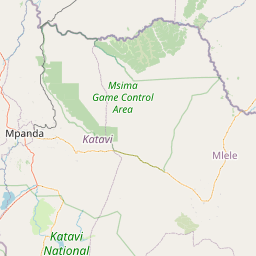
Katavi National Park
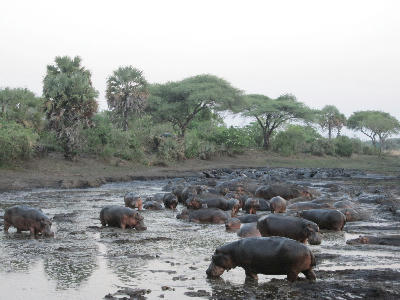
Katavi National Park is structured around the Katuma River, whose seasonal flooding shapes the park's wildlife movements and ecological diversity. The broad Katavi and Chada floodplains dominate the central landscape, while scattered Borassus palms, open grasslands and patches of acacia woodland provide habitat for an exceptional variety of mammals and birds. Seasonal lakes, marshes and permanent hippo pools complete one of Tanzania's richest floodplain ecosystems. Each habitat contributes its own distinctive photographic identity. The floodplains provide vast uncluttered landscapes filled with buffalo, zebra and antelope, while the Katuma River attracts elephants, crocodiles and predators throughout the dry season. Hippo pools become centres of dramatic wildlife activity as water levels fall, while towering palms create iconic silhouettes across the open plains. Together these contrasting habitats create one of Africa's most visually striking and least disturbed safari environments. The visual character of Katavi National Park is defined by immense open plains, scattered palm trees and abundant wildlife beneath expansive African skies. Seasonal wetlands reflect dramatic cloud formations, golden grasslands stretch toward distant horizons and the remaining waterholes become focal points for extraordinary wildlife interactions. Combined with its remoteness and exceptionally low visitor numbers, Katavi offers one of Tanzania's most authentic wilderness photography experiences.
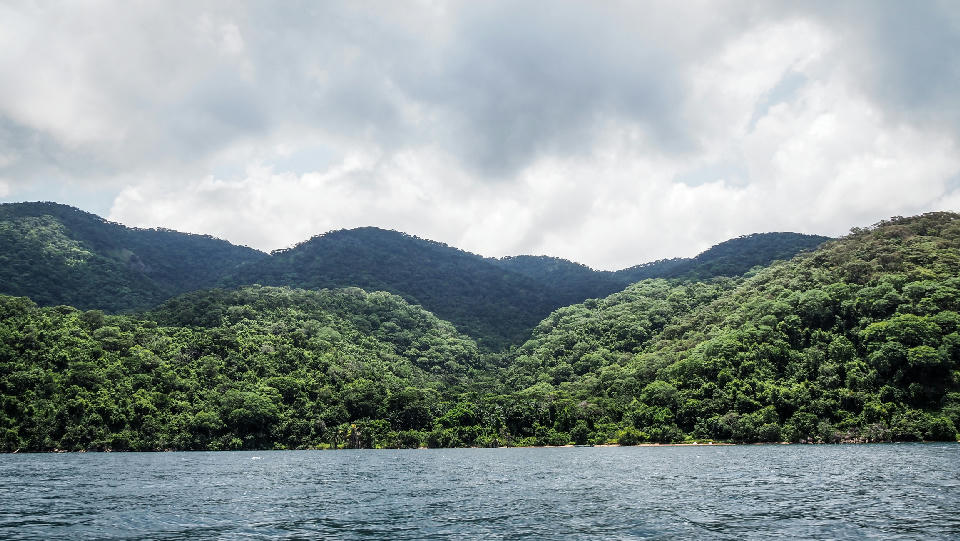
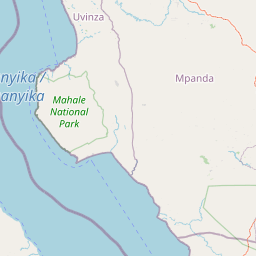
Mahale Mountains National Park
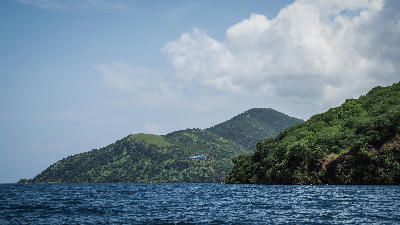
idges descend directly into Lake Tanganyika. Dense tropical rainforest covers the mountains from the shoreline to the highest summits, while narrow valleys channel clear streams and waterfalls through the forest before reaching secluded sandy beaches. Elevated ridges provide sweeping views across Lake Tanganyika toward the distant mountains of the Democratic Republic of the Congo, while the interior forests protect one of Africa's most important populations of wild chimpanzees. Each habitat contributes a distinctive photographic character. The rainforest offers intimate opportunities to photograph chimpanzees and other forest wildlife beneath towering trees, while waterfalls, forest streams and moss-covered trails create rich tropical landscapes. Along the shoreline, white-sand beaches, crystal-clear water and forested mountains combine to produce spectacular lakeside scenery rarely associated with inland Africa. Together these contrasting environments create one of Tanzania's most unique and visually striking national parks. The visual character of Mahale Mountains National Park is defined by towering rainforest-covered mountains rising directly from the brilliant blue waters of Lake Tanganyika. Mist drifting through forested valleys, waterfalls hidden beneath dense canopy and warm evening light reflecting across the lake continually transform the landscape. Combined with exceptional biodiversity and complete wilderness, Mahale offers one of Africa's finest destinations for both wildlife and landscape photography.
Photographic journey
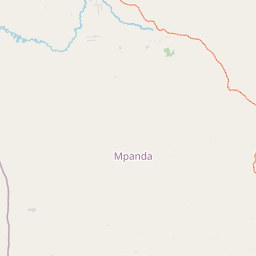
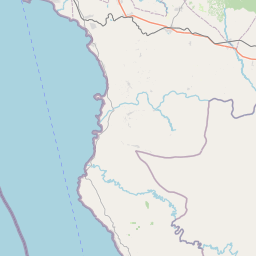
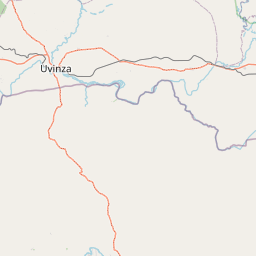
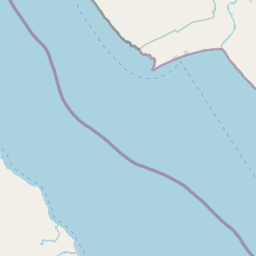
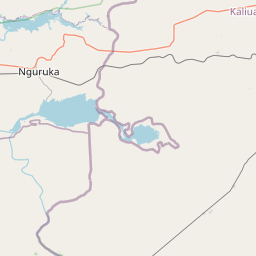
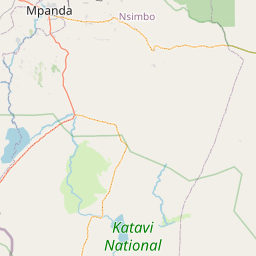
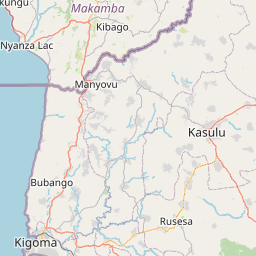
Western Tanzania Photography Route
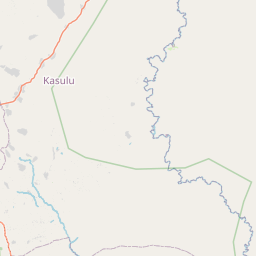
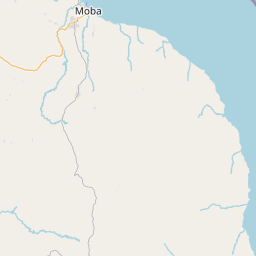
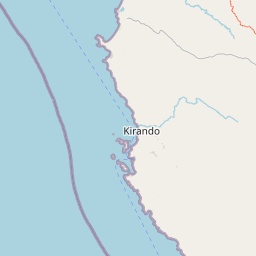
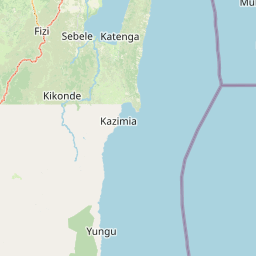
Western Tanzania Safari Circuit · 9 stops
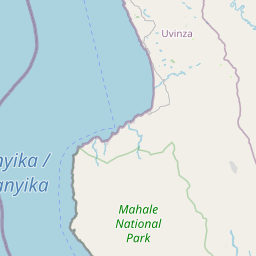
Overview
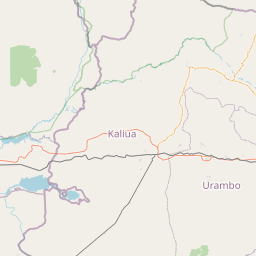
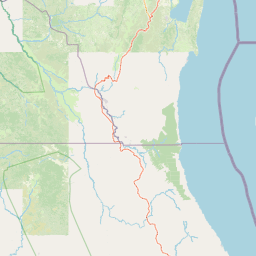
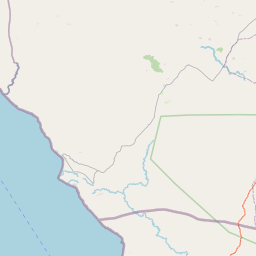
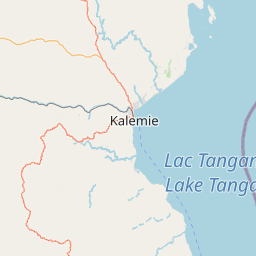
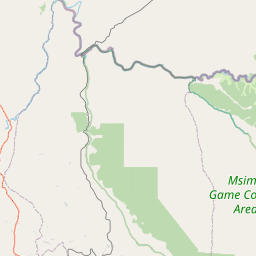
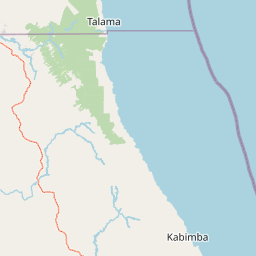
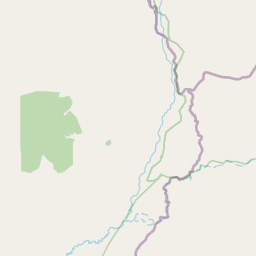
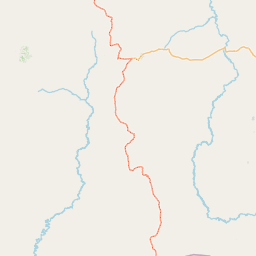
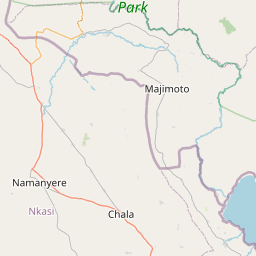
Western Tanzania is structured around three interconnected wilderness systems. Along the eastern shoreline of Lake Tanganyika, Mahale Mountains National Park and Gombe National Park protect isolated mountain forests that are internationally renowned for wild chimpanzee populations. Inland, Katavi National Park preserves one of Africa's greatest untouched savanna ecosystems, while the surrounding miombo woodland extends across vast distances with very limited human development. Together these landscapes form one of East Africa's most intact natural regions.
Each landscape possesses a distinct photographic identity. Mahale combines densely forested mountains descending directly into the crystal-clear waters of Lake Tanganyika, while Gombe is characterised by steep valleys, tropical forest and primate habitats. Katavi contrasts dramatically with these environments through expansive floodplains, seasonal wetlands and exceptional concentrations of buffalo, elephants, hippos and predators. The diversity of habitats within a relatively small region makes Western Tanzania one of the country's most varied photographic destinations.
The visual structure of the region is defined by the contrast between deep freshwater lakes, forested mountain slopes and open savanna wilderness. Escarpments rise abruptly above Lake Tanganyika, rivers carve through woodland landscapes and broad floodplains provide dramatic open vistas beneath immense African skies. Morning mist, seasonal rainfall and golden evening light continually transform the appearance of this remarkable wilderness.
Key Photography Subjects
- Lake Tanganyika and dramatic Rift Valley shorelines
- Chimpanzees within tropical mountain forests
- Miombo woodland and remote wilderness landscapes
- Katavi floodplains and abundant wildlife
- Forested escarpments and rugged mountain scenery
- Rivers, wetlands and pristine freshwater environments
- Golden light, seasonal mist and dramatic thunderstorm skies
Gallery
Workshops in Western Tanzania
No upcoming workshops scheduled for Western Tanzania at this time.
Check back soon or explore other destinations.