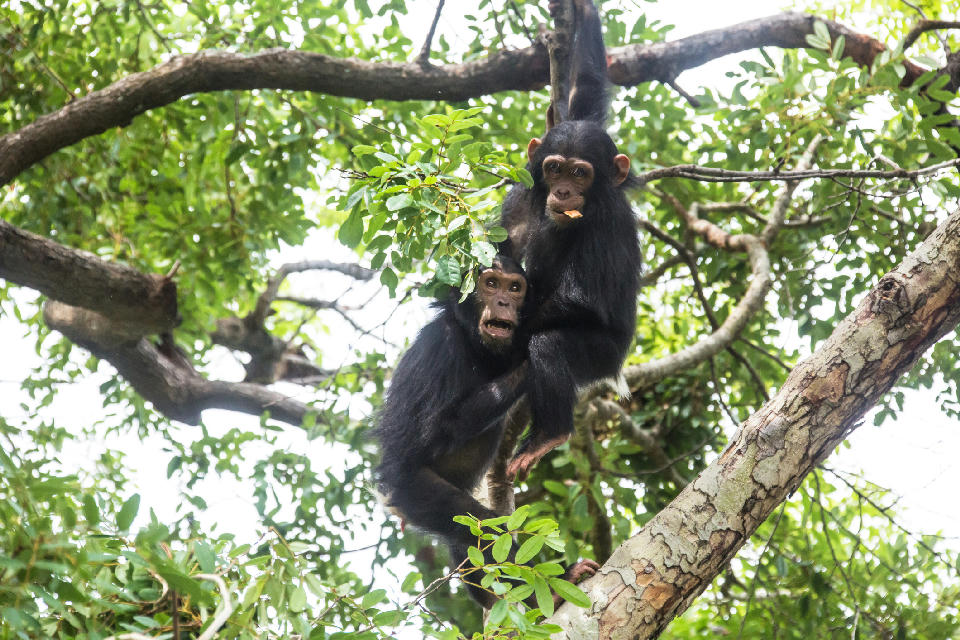
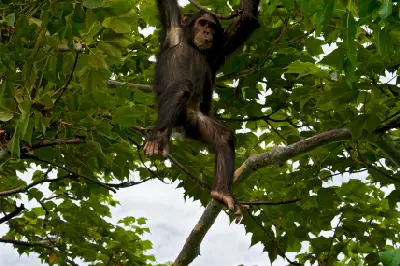
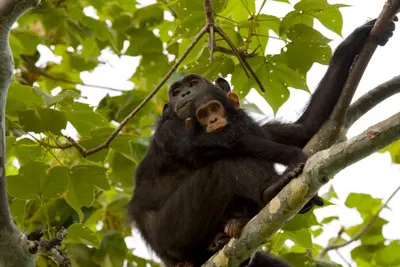
Young chimpanzees climb through the lush rainforest canopy, a glimpse of the unforgettable wildlife encounters that make Mahale Forest one of Africa's premier chimpanzee trekking destinations.
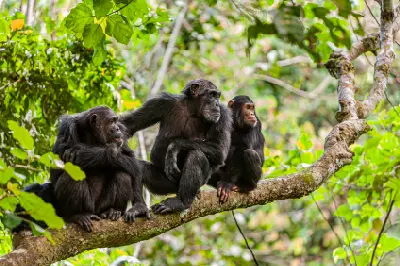
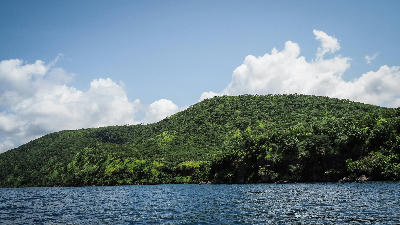
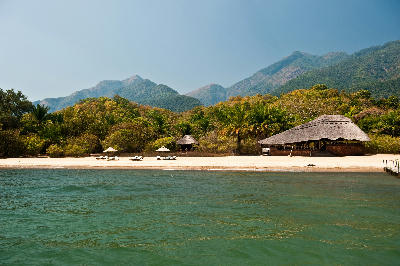
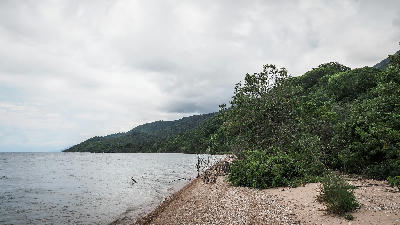
Mahale Forest is one of Africa's last pristine montane rainforests, covering the western slopes of the Mahale Mountains above Lake Tanganyika. Home to the park's famous habituated chimpanzees, it offers one of the continent's most immersive rainforest photography experiences.
-6.20609, 29.79217
Gallery
Quick Facts
Access
Moderate Hike
3+ hours
Elevation Gain
200 m
Best Light
Soft, diffused light beneath the forest canopy produces natural colours and reduces harsh contrast.
Why This Light
Season
Seasonally Distinct
The dry season offers easier hiking conditions and better access through the forest while chimpanzee trekking is generally more predictable. During the wet season the rainforest becomes lush and vibrant, with flowing streams, dense vegetation and rich green colours throughout the forest.
Crowds
Usually Quiet
Restrictions
Mahale Forest is explored on guided hikes within Mahale Mountains National Park. Access requires park permits and licensed guides, with routes varying according to the daily location of the habituated chimpanzee groups.