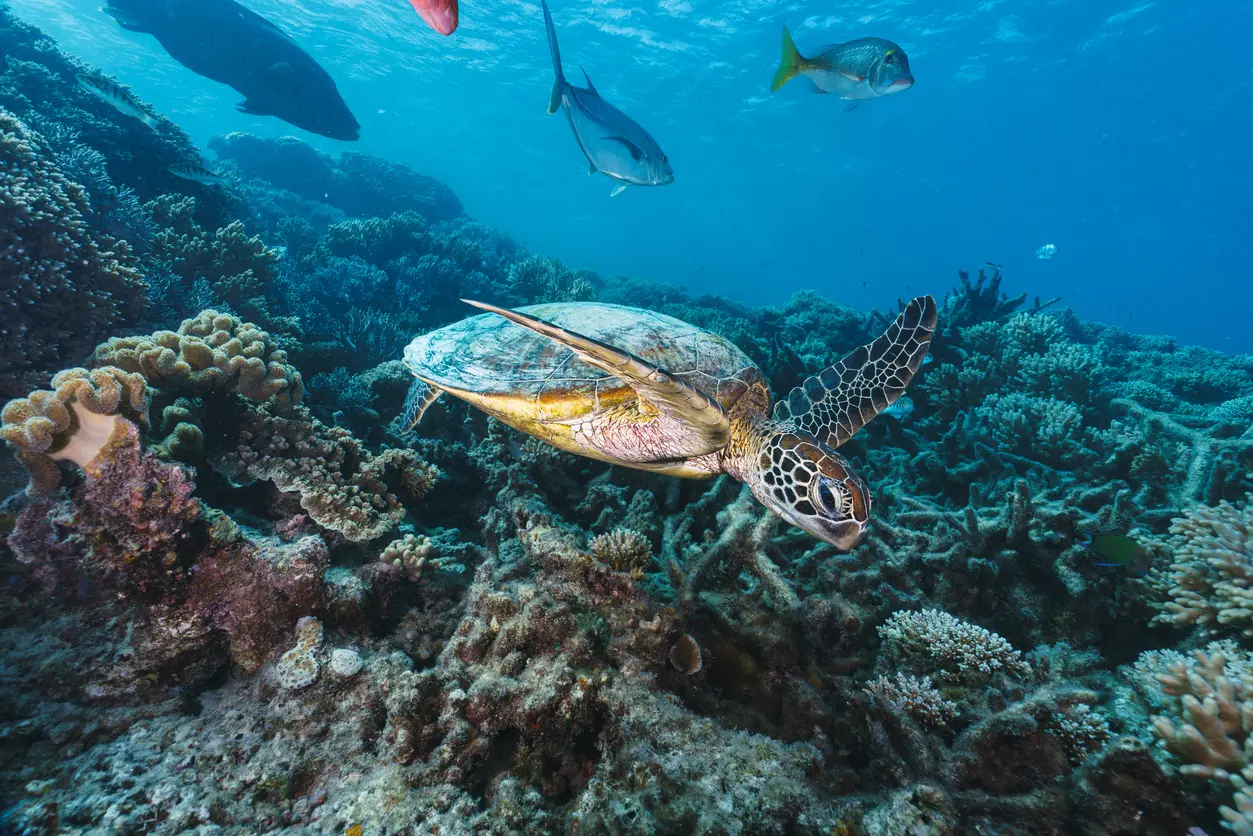
Green sea turtle swimming over Ningaloo Reef, Western Australia.
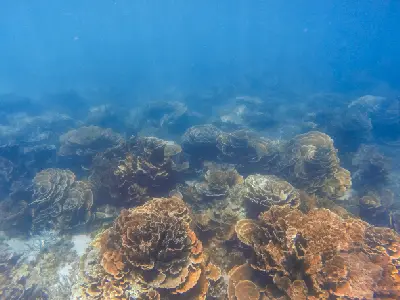
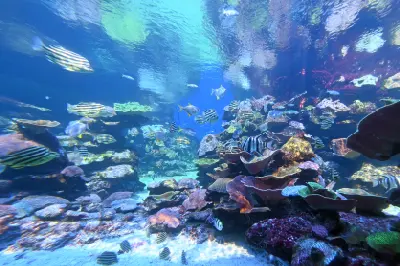
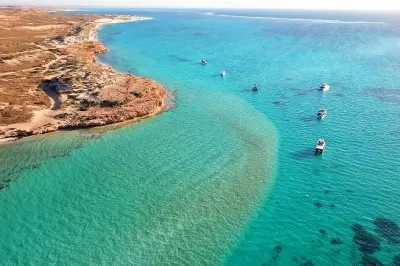
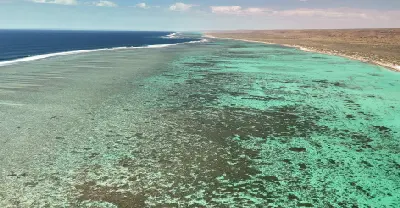
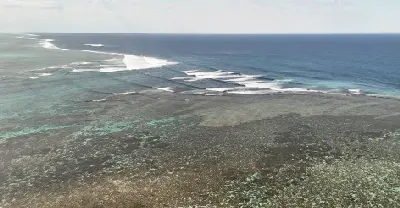
Ningaloo Reef is a vast fringing coral reef extending along the northwest coast of Western Australia, with sections lying unusually close to shore. Coral gardens, clear lagoons and deeper offshore waters support whale sharks, manta rays, turtles and extensive marine life. The combination of shallow reef, turquoise water and large marine species provides opportunities for underwater, wildlife and aerial photography.
-22.55107, 113.66359
Gallery
Quick Facts
Access
Roadside / Step-out
0–5 min
Elevation Gain
0 m
Best Light
High sun penetrates clear shallow water and reveals reef colour, while calmer conditions improve surface visibility and underwater detail.
Why This Light
Season
Seasonally Distinct
Summer brings warmer water, stronger tropical conditions and increased marine activity associated with coral spawning. Winter brings cooler, clearer conditions and seasonal appearances by whale sharks, manta rays and migrating humpback whales.
Crowds
Often Busy
Restrictions
Ningaloo Reef extends for hundreds of kilometres and can be accessed from several coastal locations, particularly around Exmouth and Coral Bay. Some reef sections can be reached directly from beaches, while whale-shark, manta-ray and offshore reef encounters generally require licensed boat tours. Marine sanctuary zones restrict fishing and other activities, and visitors should check current Ningaloo Marine Park regulations and local conditions before entering the water.