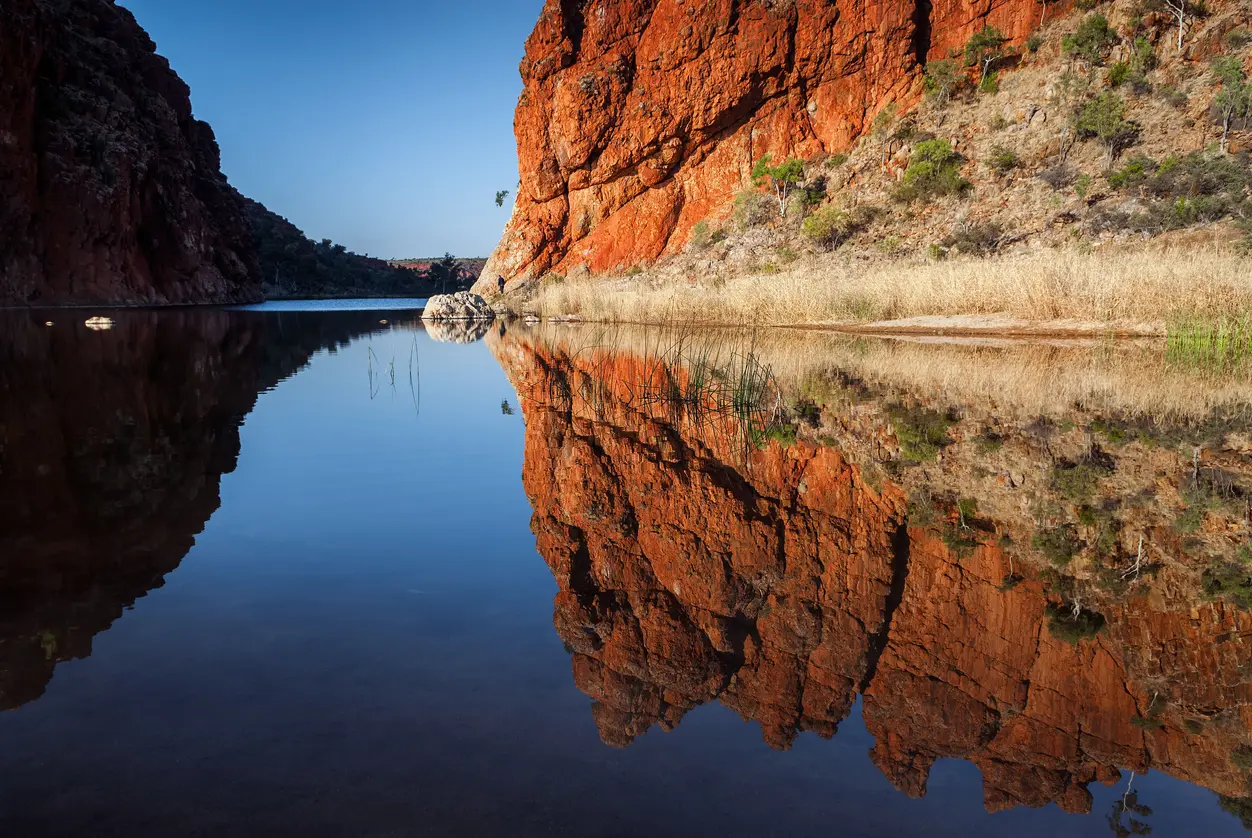
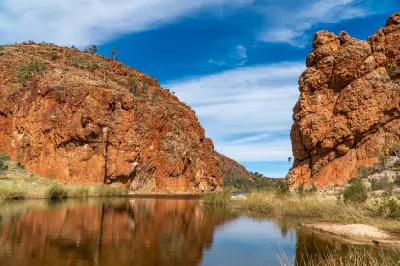
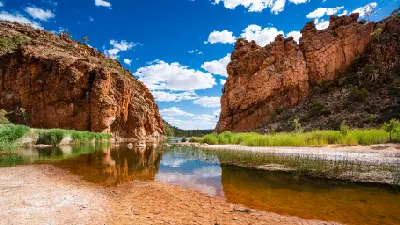
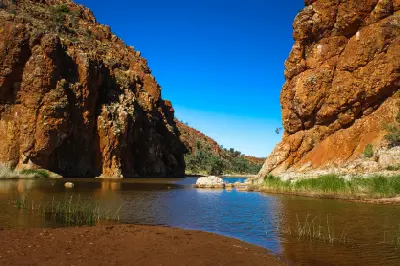
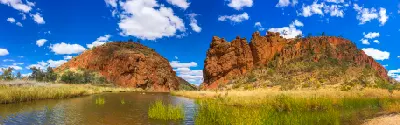
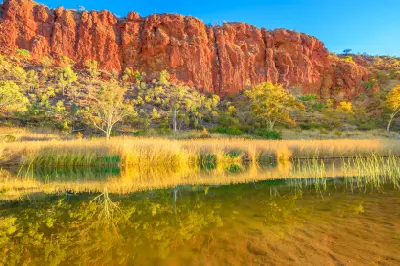
Glen Helen Gorge waterhole in the West MacDonnell Ranges, Northern Territory, Australia.
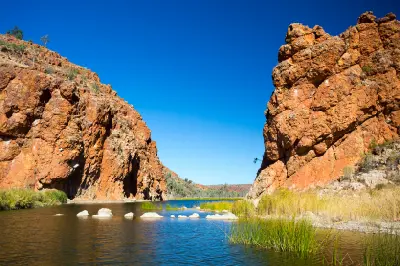
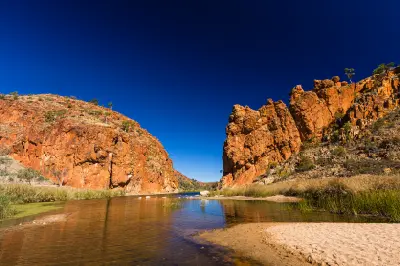
Glen Helen Gorge is a narrow quartzite gorge on the Finke River in the Tjoritja / West MacDonnell National Park, west of Alice Springs in the Northern Territory. The gorge contains a semi-permanent waterhole enclosed by steep, weathered rock walls, with riverbed and riparian vegetation around the approach. The combination of water, red rock, river gums and confined gorge walls provides opportunities for landscape, reflection, and environmental-scale photography.
-23.68909, 132.67664
Gallery
Quick Facts
Access
Short Walk
5–15 min
Elevation Gain
5 m
Best Light
Low-angle light picks out the gorge walls and riverbank texture, while diffuse light reduces contrast between rock, vegetation, and water.
Why This Light
Season
Seasonally Distinct
Summer can bring increased water and greener vegetation around the Finke River after rainfall, with storm cloud and changing river conditions adding variation to the gorge. Winter is generally drier, with pale grasses, clearer skies, and more subdued vegetation surrounding the waterhole and exposed rocky areas.
Crowds
Busy Midday
Restrictions
The Tjoritja / West MacDonnell National Park requires an NT Parks Visitor Pass, and a permit is required for drone use. Glen Helen Gorge is currently open, with access via an alternate walking trail from the Glen Helen entry road, while Discovery Parks Glen Helen remains closed. The gorge is reached on foot over sandy and rocky ground; check current park status and road conditions before travelling, particularly after rain.