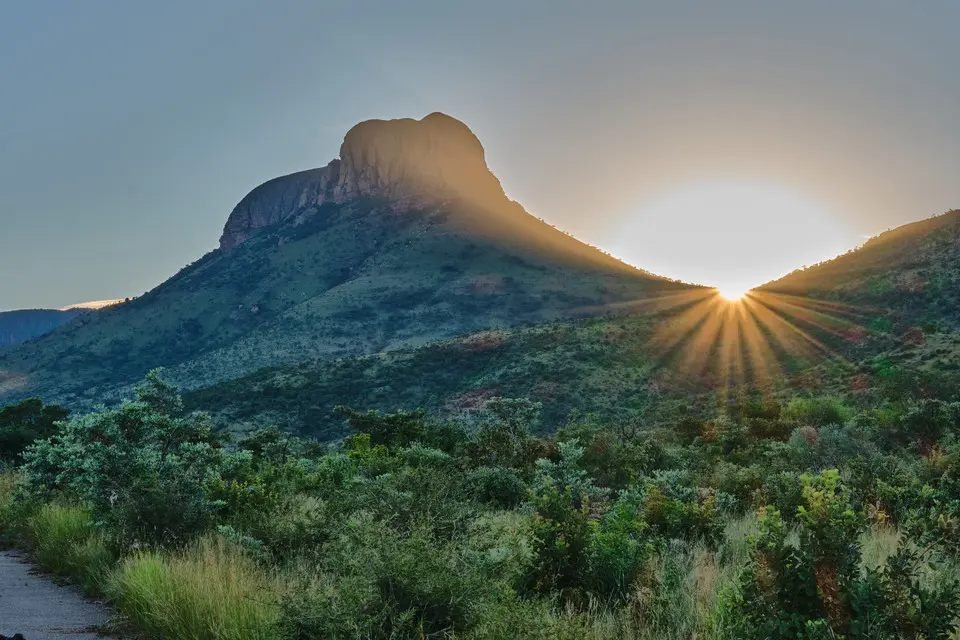
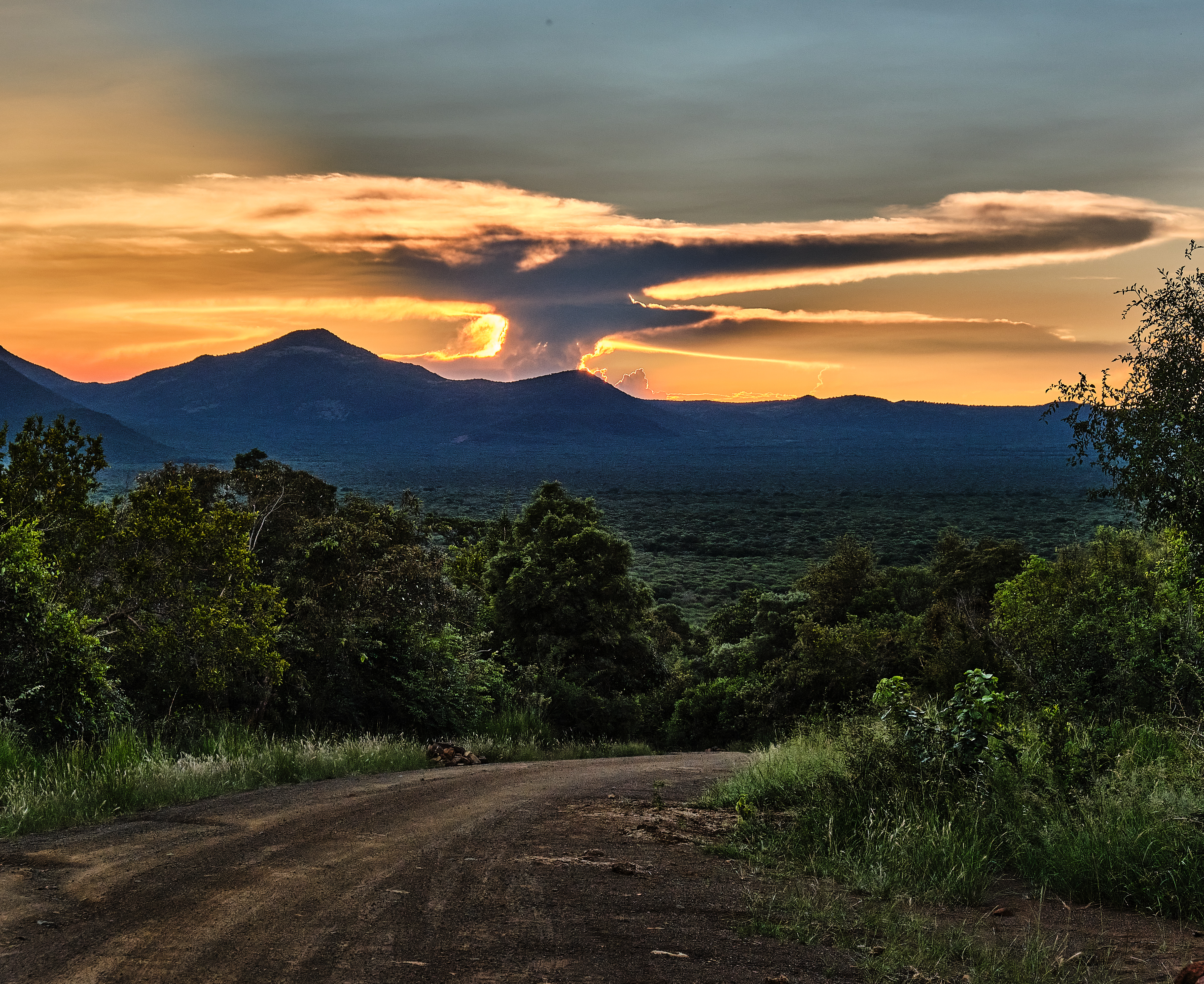
Sunrise over the rugged mountains of Marakele National Park, where dramatic sandstone peaks rise above the southern Waterberg landscape in Limpopo.
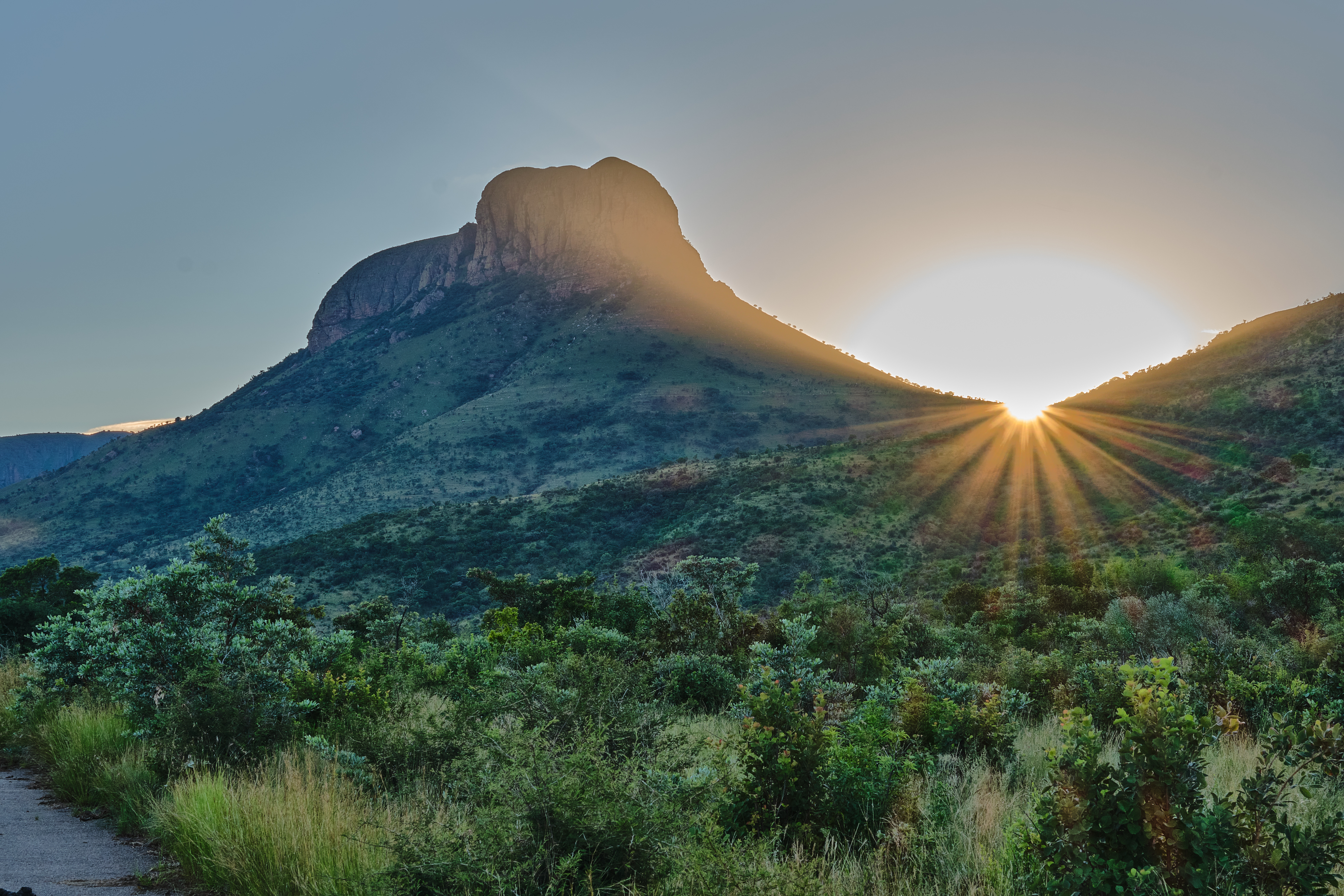
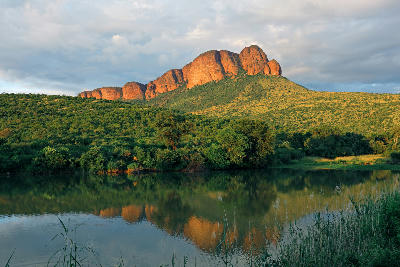
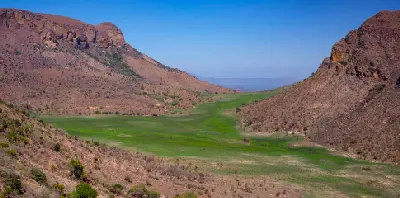
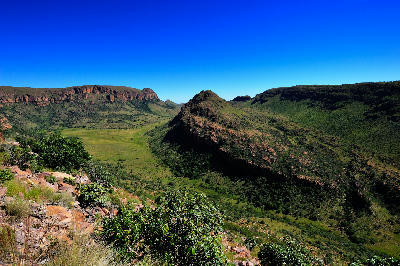
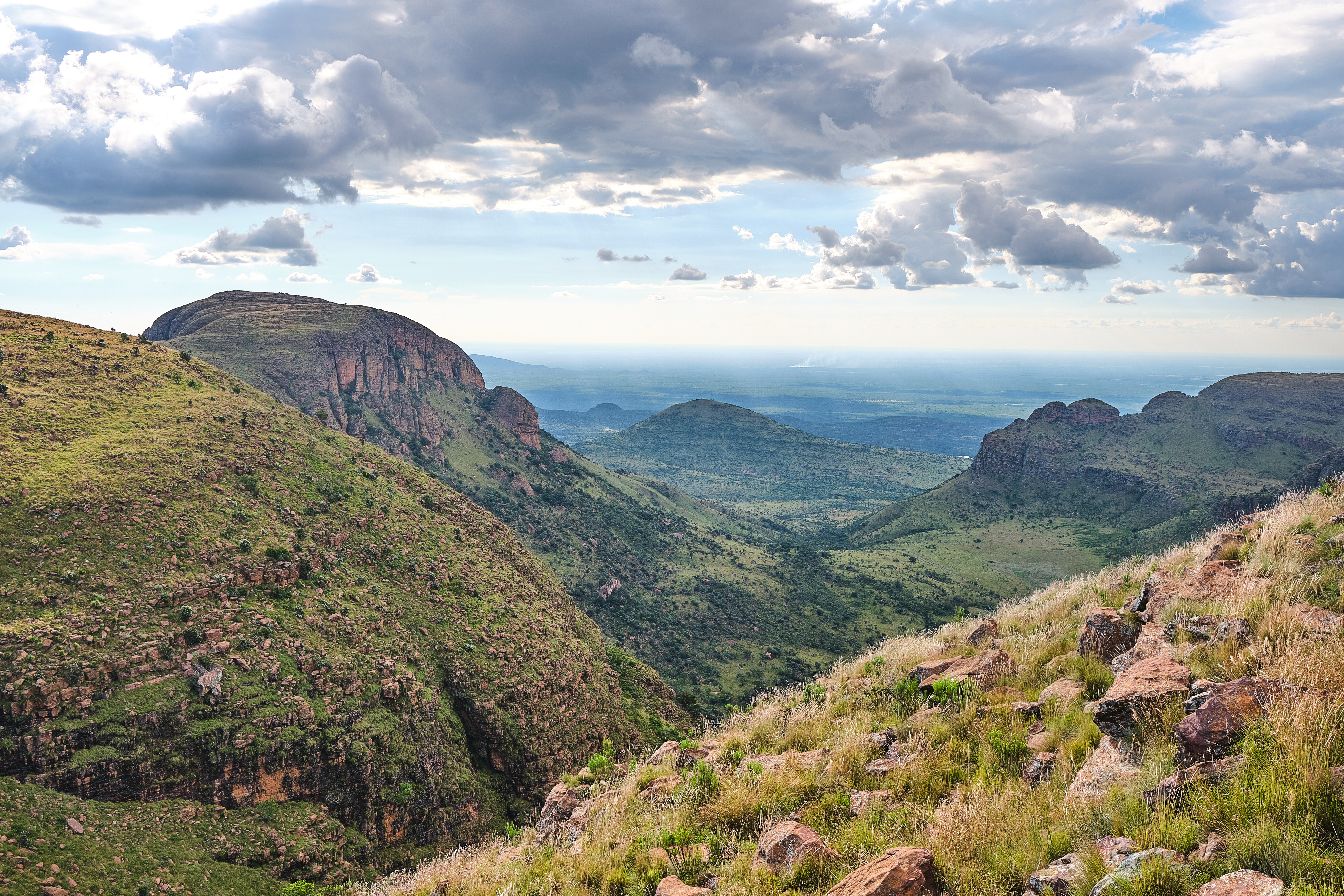
Marakele National Park protects one of the most dramatic mountain landscapes in the Waterberg region, where rugged cliffs, deep valleys and open bushveld converge. The park is renowned for its spectacular scenery, diverse wildlife and one of the largest Cape Vulture colonies in southern Africa.
-24.38450, 27.65024
Gallery
Quick Facts
Access
Visitor Access
0–5 min
Elevation Gain
50 m
Best Light
Low-angle light emphasises cliff faces, mountain ridges and valley relief while creating ideal conditions for photographing wildlife and soaring vultures.
Why This Light
Season
Year-Round Stable
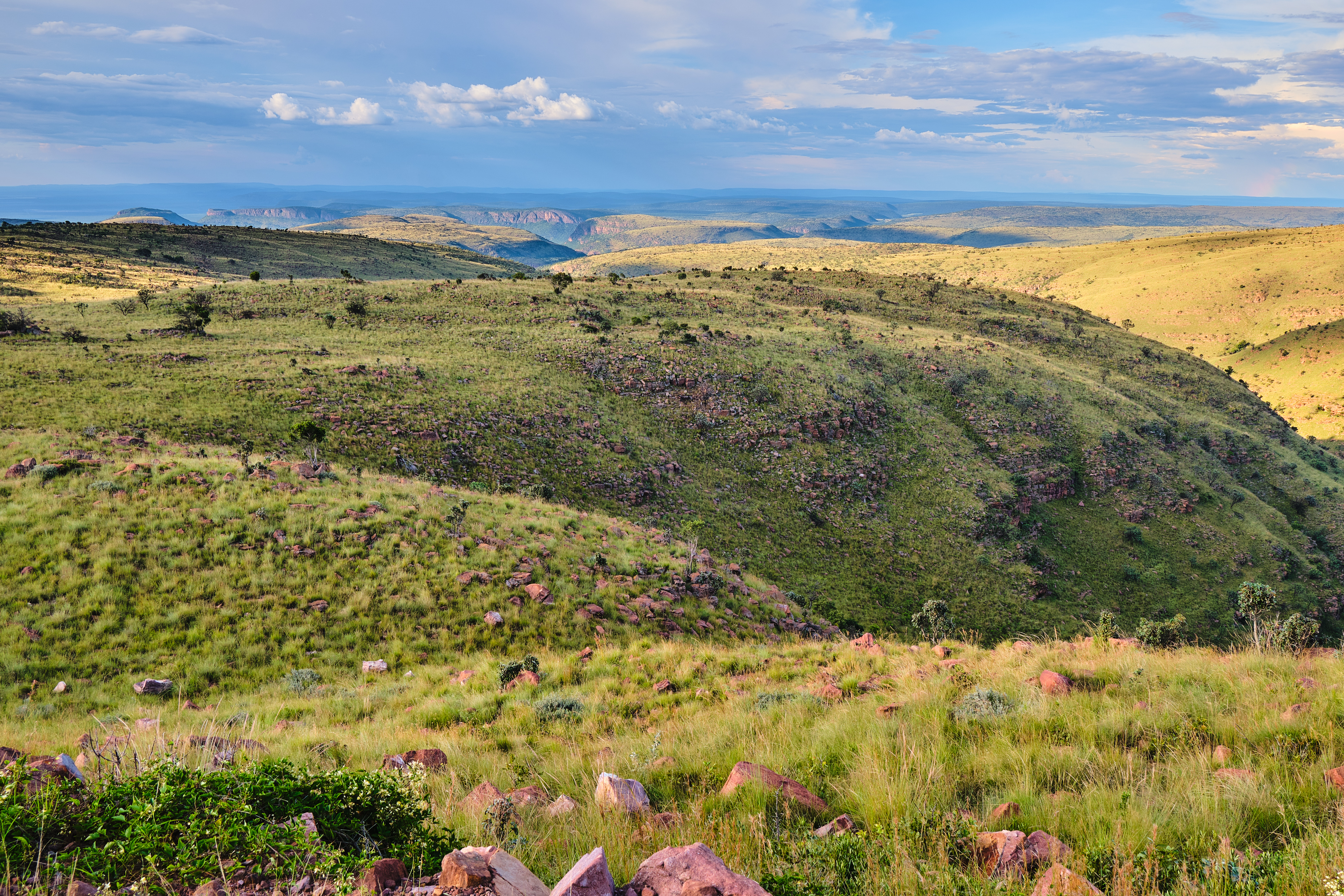
Summer brings lush vegetation, dramatic thunderclouds and vibrant green mountain slopes throughout the park. Winter offers clear skies, excellent visibility and warm earth tones that enhance the structure of the Waterberg landscape.
Crowds
Usually Quiet
Restrictions
The park is accessed via public roads near Thabazimbi. Most major viewpoints are reached by vehicle, including the scenic mountain road leading to the vulture viewpoint. Standard national park entrance fees apply.