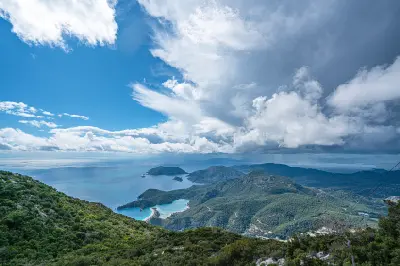
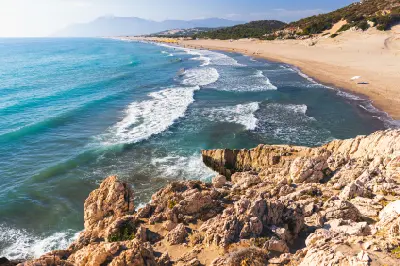
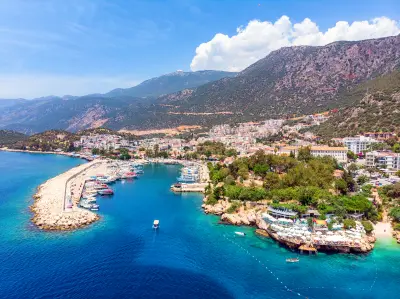
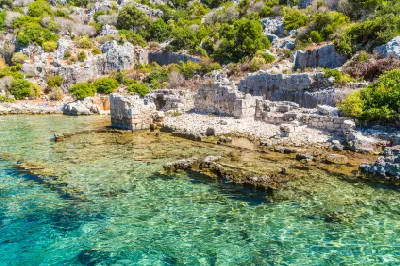
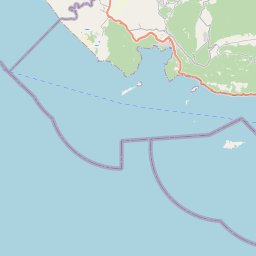
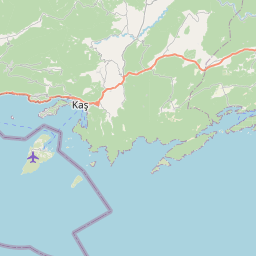
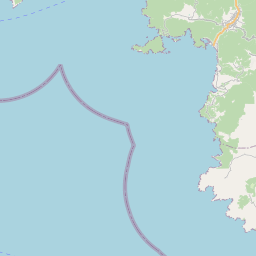
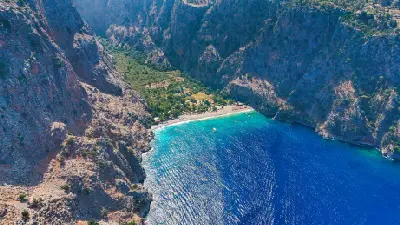
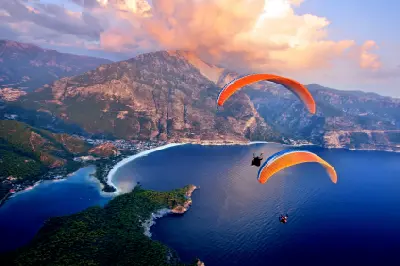
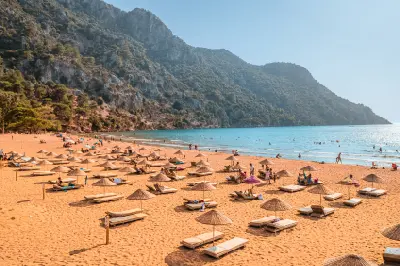
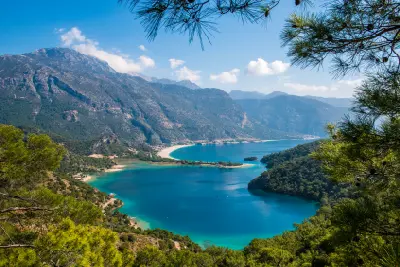
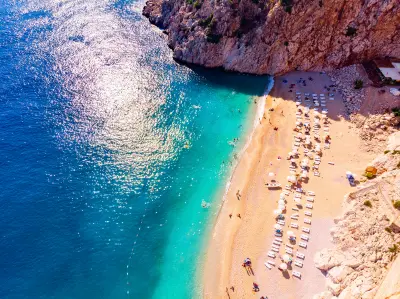
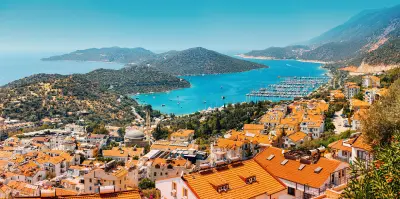
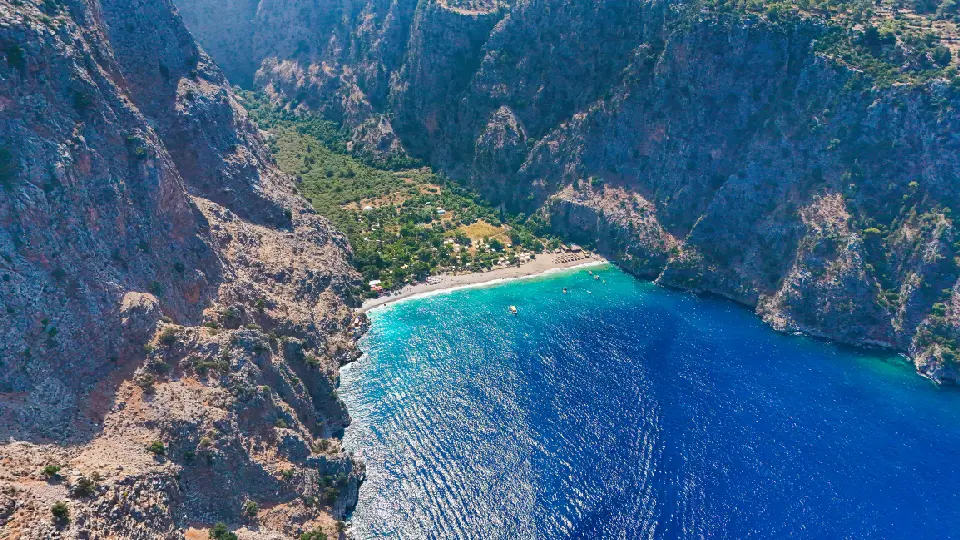
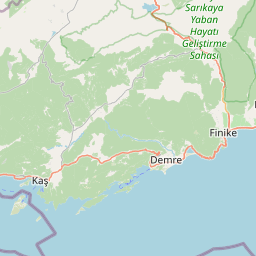
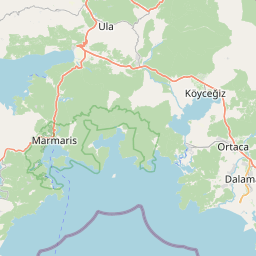
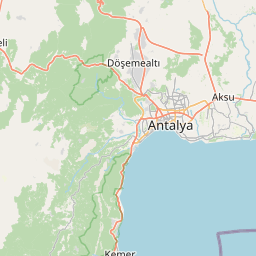
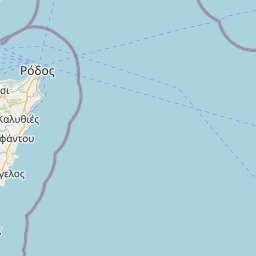
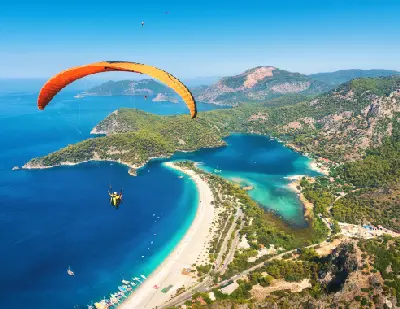
The Turquoise Coast is structured around the close relationship between the Taurus Mountains and the Mediterranean Sea. Limestone massifs and forested ridges frequently reach the shoreline, creating steep headlands, cliffs, offshore islands, enclosed bays, and elevated viewpoints. Between them lie broader beaches, lagoons, river deltas, and fertile coastal plains.
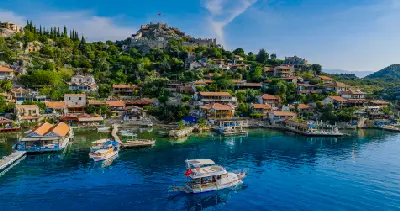
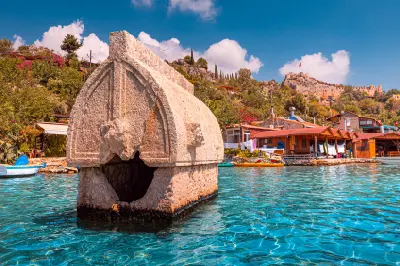
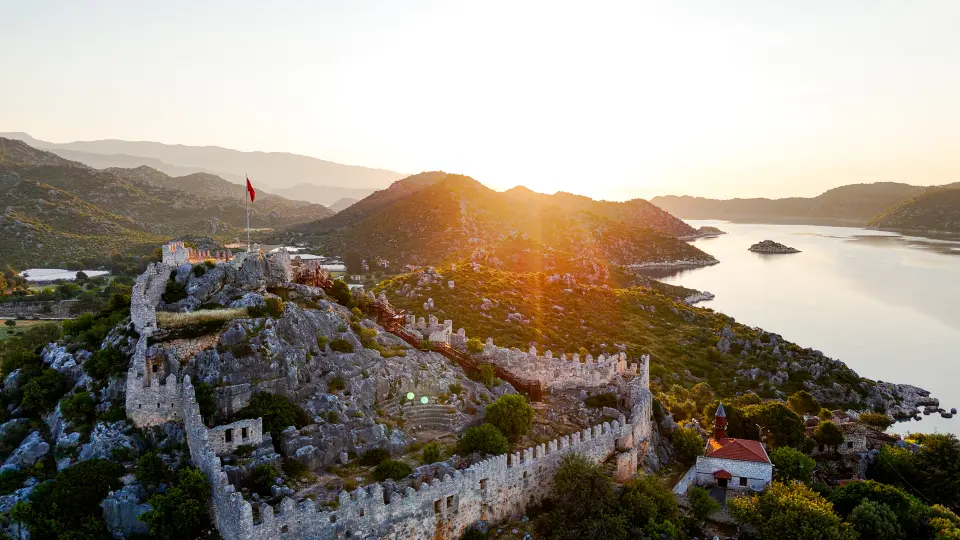
Much of the western and central coast formed part of ancient Lycia, leaving an extensive archaeological landscape of rock-cut tombs, theatres, temples, fortifications, and ruined settlements. Historic routes connected these communities across difficult mountain terrain, while sheltered natural harbours supported maritime trade and coastal settlement.
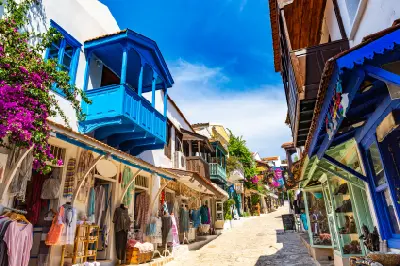
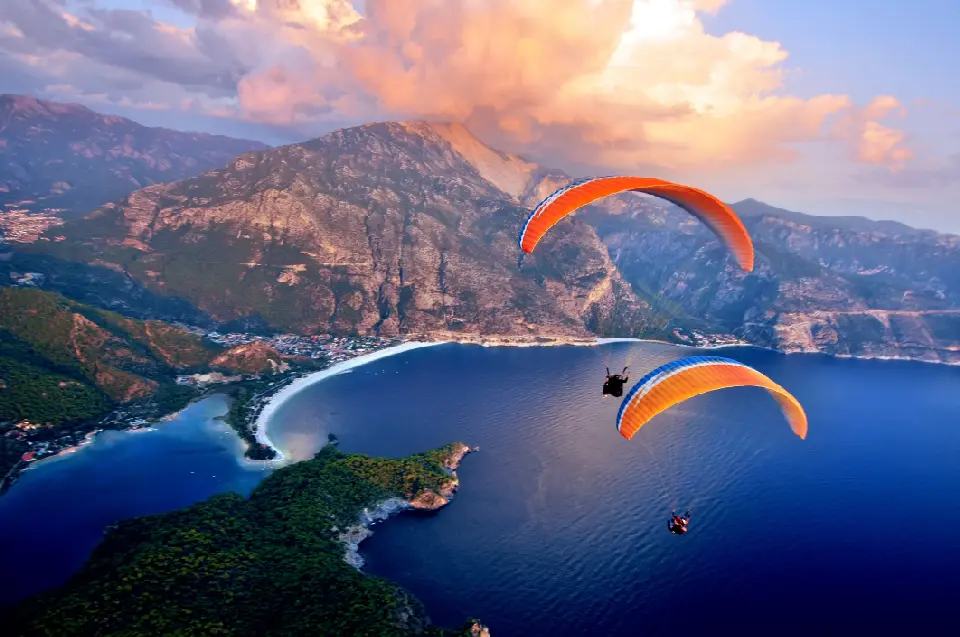
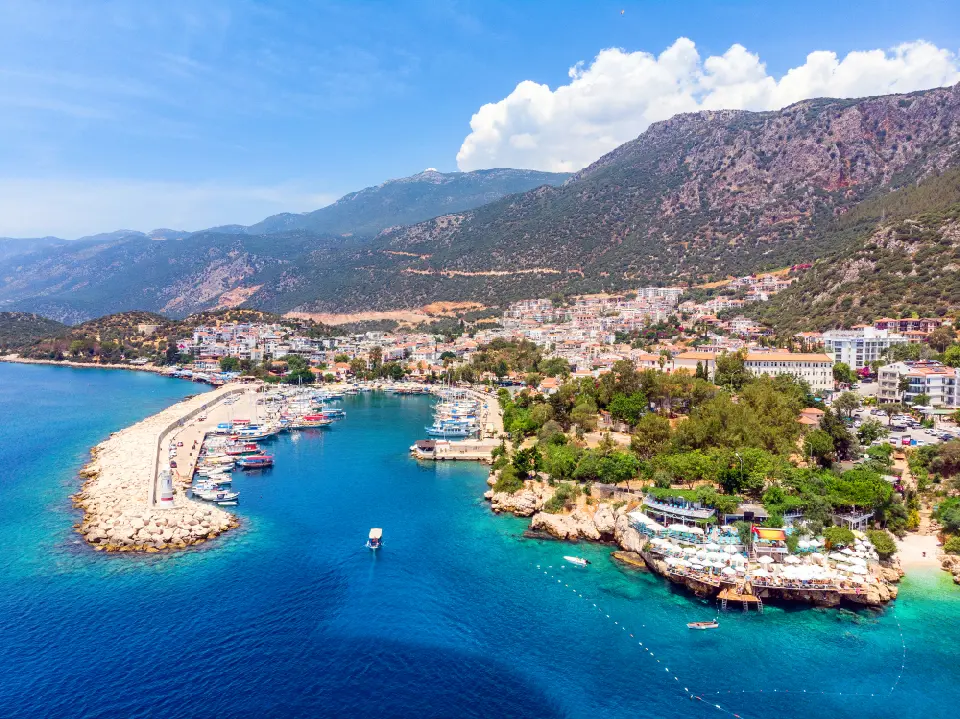
The visual character of the region is defined by the contrast between turquoise water, pale limestone, forested mountains, and open Mediterranean skies. Elevated terrain provides long coastal views across bays and islands, while beaches, lagoons, cliffs, archaeological sites, harbours, and traditional settlements create a varied sequence of landscapes along the coast.
 01
01