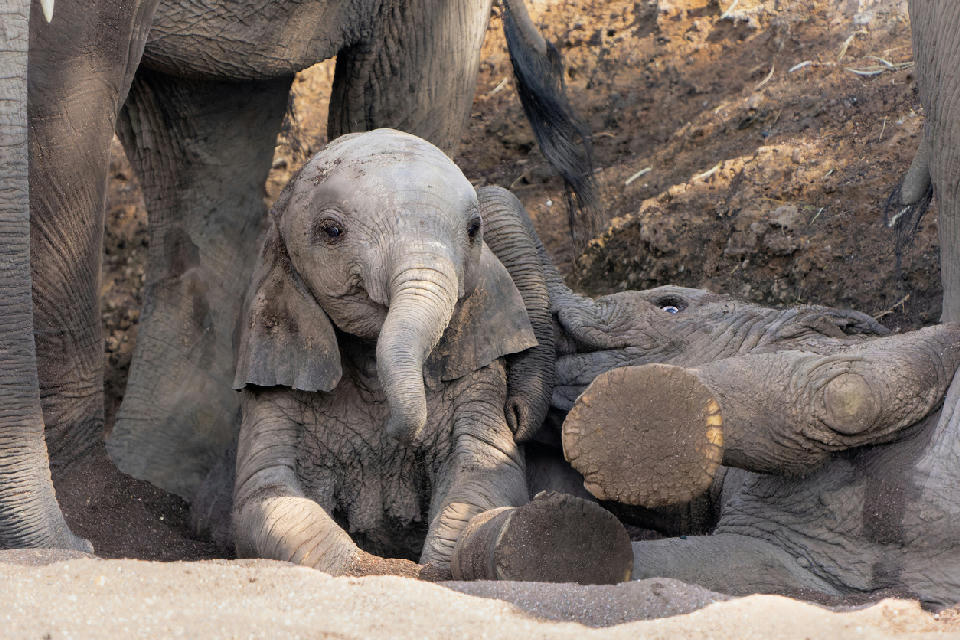
Young African elephant calves playing together in a sandy riverbed in Mashatu Game Reserve, Botswana's premier safari destination in the Tuli Block.
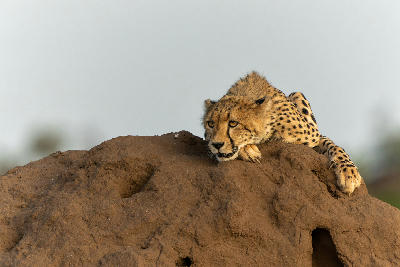
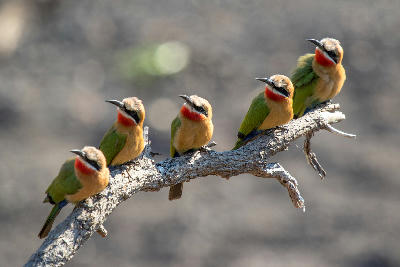
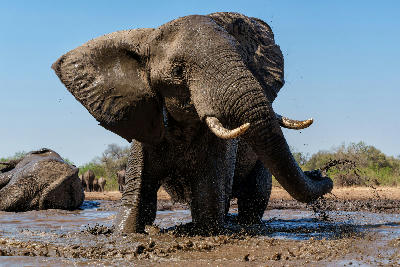
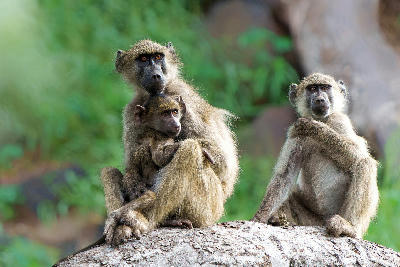
Mashatu is the flagship destination within Botswana's Tuli Block, renowned for its rugged sandstone landscapes, riverine forests and exceptional wildlife. Situated along the Limpopo River, it combines diverse habitats with one of southern Africa's richest safari ecosystems. Its remote setting and spectacular scenery have earned Mashatu an international reputation as one of Botswana's premier wilderness destinations.
-22.07822, 29.11999
Gallery
Quick Facts
Access
Visitor Access
0–5 min
Elevation Gain
5 m
Best Light
Low-angle light enhances wildlife and sandstone landscapes, while warm evening light creates rich colour and depth throughout the reserve.
Why This Light
Season
Seasonally Distinct
Wildlife can be photographed throughout the year, with the dry season concentrating animals around rivers and waterholes, while summer brings greener landscapes, young animals and dramatic thunderclouds.
Crowds
Usually Quiet
Restrictions
Mashatu is accessed through the Northern Tuli Game Reserve via guided safaris or lodge-based game drives. Most photographic locations are reached by safari vehicle, with specialist photographic hides available at selected locations.