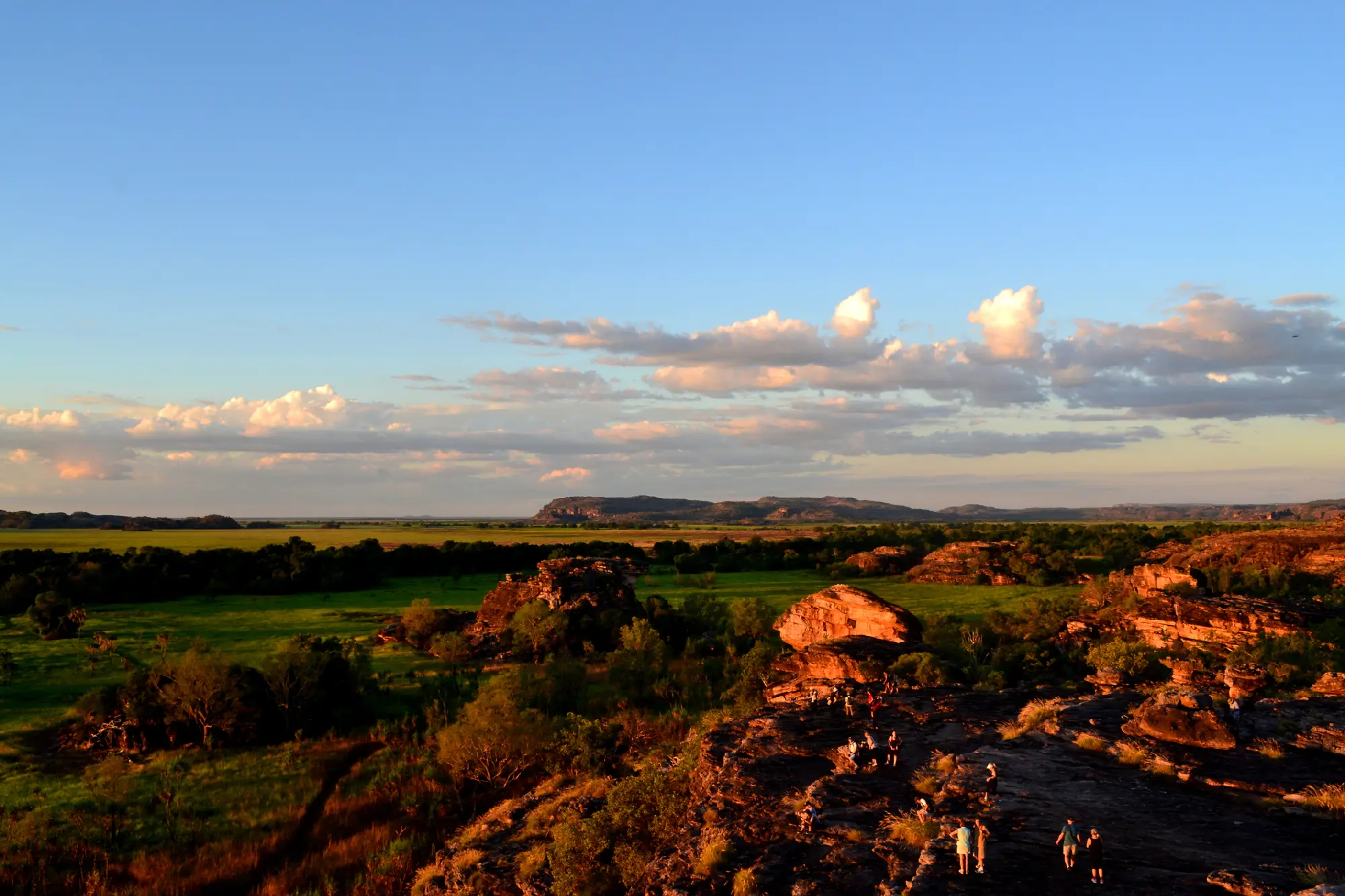
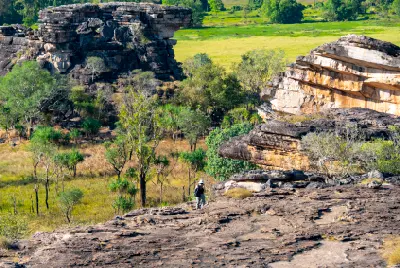
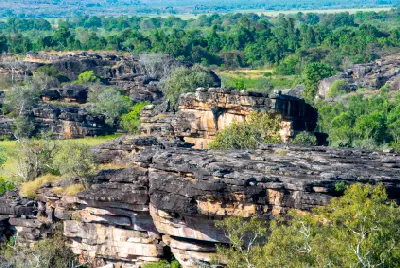
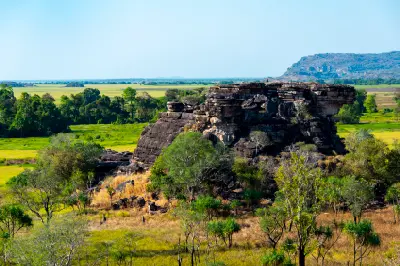
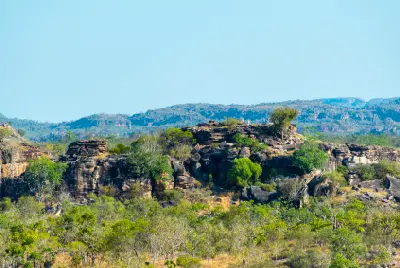
Late-afternoon sunlight illuminates the sandstone outcrops of Ubirr, where visitors look across expansive floodplains and distant escarpments in Kakadu National Park.
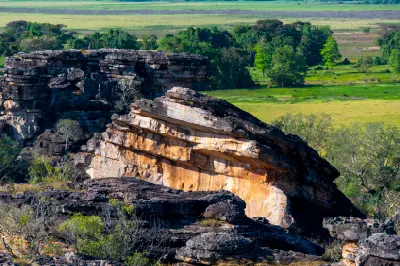
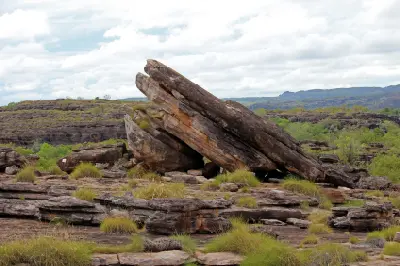
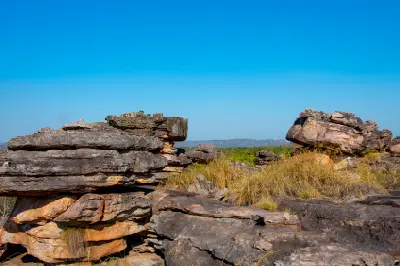
Ubirr is a sandstone outcrop and Aboriginal rock art site in Kakadu National Park, overlooking the Nadab floodplain in Australia's Northern Territory. Walking tracks lead past ancient rock art galleries and weathered sandstone shelters to an elevated lookout with broad views across wetlands, escarpments and distant floodplains. The rock formations, cultural heritage and expansive landscape provide opportunities for documentary, landscape and sunset photography.
-12.40969, 132.95617
Gallery
Quick Facts
Access
Short Walk
45–90 min
Elevation Gain
50 m
Best Light
Low-angle sunlight reveals texture in the sandstone outcrops and casts long shadows across the floodplain, while sunset adds colour to the western horizon.
Why This Light
Season
Seasonally Distinct
Summer brings monsoon rainfall, extensive flooding and vivid green vegetation across the Nadab floodplain, with storm clouds and changing water levels transforming the landscape. Winter brings receding water, golden grasses and more exposed floodplain surfaces, with clearer skies and warmer earth tones across the sandstone escarpment.
Crowds
Busy Sunrise/Sunset
Restrictions
Ubirr is reached via the Kakadu road network, with the final access road subject to seasonal flooding and closure during the wet season. A walking circuit visits several Aboriginal rock art galleries before climbing to the Nadab lookout, where uneven sandstone steps and exposed rock require care. A Kakadu park pass is generally required. Visitors must respect cultural site restrictions, remain on designated paths and follow posted photography guidance. Recreational drone use is prohibited in the national park.