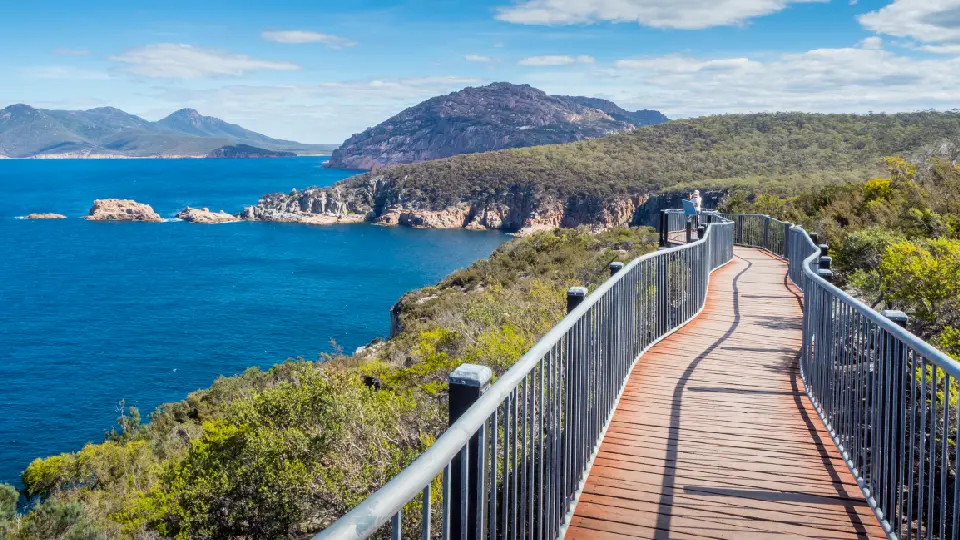
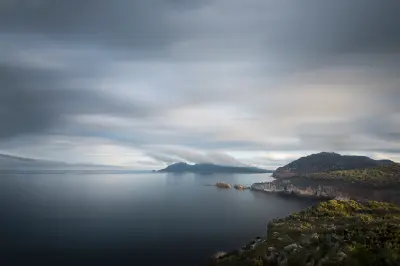
Cape Tourville Walk follows the coastal cliffs above Freycinet National Park’s rugged eastern shoreline.
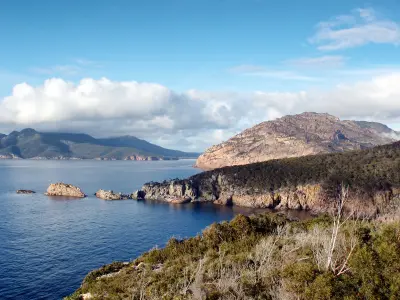
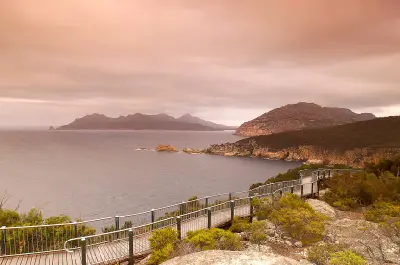
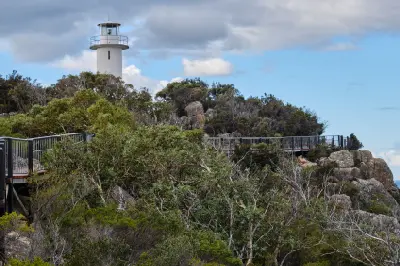
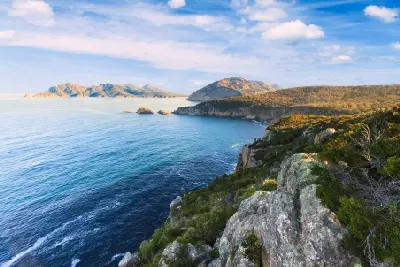
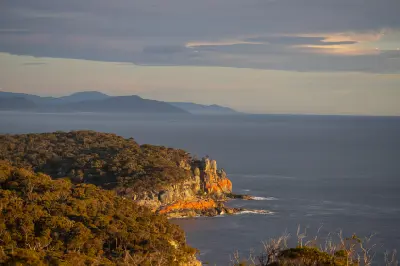
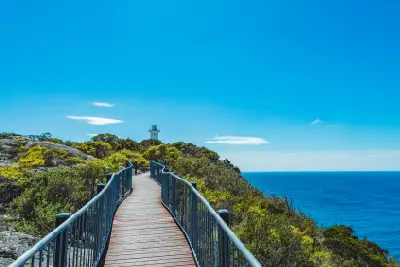
Cape Tourville is a rocky headland on the eastern side of Freycinet National Park, overlooking the Tasman Sea and the rugged coastline of the Freycinet Peninsula. An elevated coastal walkway provides broad views across granite cliffs, offshore rocks and distant headlands, with the Hazards visible across parts of the peninsula. Its exposed position makes it particularly strong for photographing the scale and geological character of Tasmania's east coast.
-42.12310, 148.34373
Gallery
Quick Facts
Access
Short Walk
5–15 min
Elevation Gain
20 m
Best Light
Low-angle light reveals texture across the granite cliffs and headlands, while morning light works particularly well along the exposed eastern coastline.
Why This Light
Season
Seasonally Distinct
Summer brings clearer conditions and strong coastal colour, while autumn and spring produce more variable skies and changing light. Winter is quieter and can bring crisp visibility, stronger seas and more dramatic weather along the exposed coast.
Crowds
Often Busy
Restrictions
Cape Tourville is reached by road within Freycinet National Park, followed by a short circuit walk around the headland. The established elevated walkway provides several coastal perspectives with little climbing. A valid Tasmania Parks Pass is required for park entry.